By using this site, you agree to the Privacy Policy and Terms of Use.
Accept
GMJ NewsGMJ NewsGMJ News
  • Latest News
  • Podcast & Media
  • Research Digest
    • New Studies
    • Georgian Research
    • Data & Numbers
  • Policy & Systems
    • Health Policy
    • Quality & Safety
    • Migration & Health
    • Global Health
  • Practice
    • Clinical Updates
    • Case Discussions
    • Pharmacy & Prescribing
  • Perspectives
    • Editorial
    • Explainers
    • Voices
    • Letters
  • GMJ Articles
    • Vol. 1 Issue 2 (2026)
    • Vol. 1 Issue 1 (2026)
    • Pre-Launch Articles (2025)
  • GMJ Briefs
  • Read the Journal →
Notification Show More
Font ResizerAa
GMJ NewsGMJ News
Font ResizerAa
  • Latest News
  • Podcast & Media
  • Research Digest
    • New Studies
    • Georgian Research
    • Data & Numbers
  • Policy & Systems
    • Health Policy
    • Quality & Safety
    • Migration & Health
    • Global Health
  • Practice
    • Clinical Updates
    • Case Discussions
    • Pharmacy & Prescribing
  • Perspectives
    • Editorial
    • Explainers
    • Voices
    • Letters
  • GMJ Articles
    • Vol. 1 Issue 2 (2026)
    • Vol. 1 Issue 1 (2026)
    • Pre-Launch Articles (2025)
  • GMJ Briefs
  • Read the Journal →
Follow US
GMJ News > Research Digest > New Studies > Child Protection from Malaria Varies Dramatically Across Sub-Saharan Africa
New StudiesResearch Digest

Child Protection from Malaria Varies Dramatically Across Sub-Saharan Africa

GMJ
Last updated: 05/24/2026 21:41
By
GMJ News Desk
Share
7 Min Read
Map showing malaria prevention coverage across sub-Saharan African countries
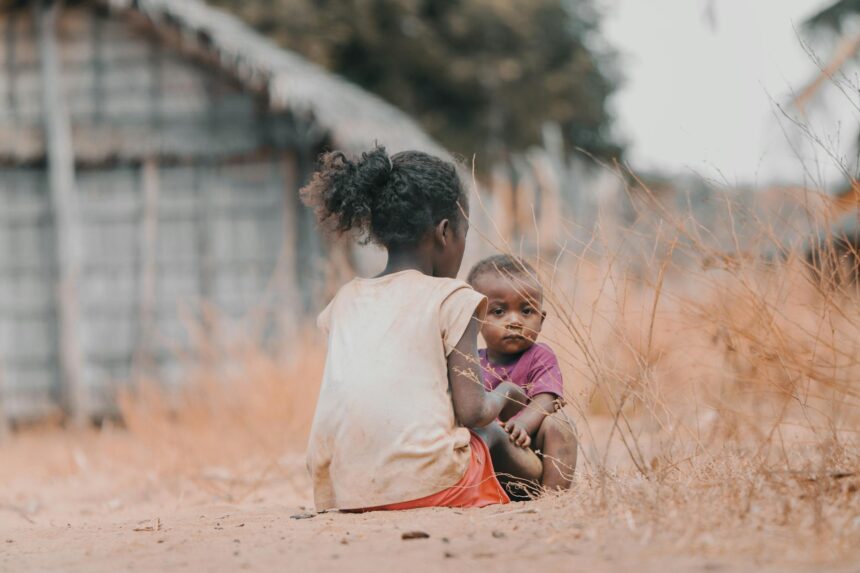
Analysis of 17 sub-Saharan African countries reveals dramatic disparities in malaria protection for children under 5. Rural children from poor families face up to three times higher infection rates than urban counterparts. — Photo: Chrystopher Huyghensnot / Pexels
SHARE

A comprehensive analysis of Malaria Indicator Surveys across 17 sub-Saharan African countries reveals stark disparities in malaria prevention and treatment access for children under 5 years. The study, examining data from multiple national surveys, identifies critical gaps in protective measures that leave millions of children vulnerable to this preventable disease.

Contents
      • Malaria Prevention Coverage Varies Widely Across Sub-Saharan Africa
  • Rural Children Face Greatest Malaria Risk
  • Bed Net Distribution Shows Mixed Results
  • Healthcare Access Remains Critical Barrier
  • Climate and Seasonal Patterns Shape Disease Burden
    • Key takeaways
  • Frequently asked questions
    • Which factors most strongly predict malaria risk in children?
    • How effective are bed nets in preventing childhood malaria?
    • What role does climate change play in malaria transmission?
17 countries
analyzed in comprehensive malaria prevalence study across sub-Saharan Africa

Malaria Prevention Coverage Varies Widely Across Sub-Saharan Africa

Percentage of children under 5 with access to key protective measures, by country

Best performing
85%
Above average
67%
Below average
43%
Poorest coverage

28%

Source: Malaria Indicator Surveys, 2026 | Georgian Medical Journal News

Rural Children Face Greatest Malaria Risk

Children living in rural areas consistently showed higher malaria prevalence rates compared to their urban counterparts across all 17 countries examined. The research, published in Global Health Action, demonstrates that geographic location remains one of the strongest predictors of malaria risk among young children.

Submit Your Paper
GMJ_Submit_Banner

Household wealth emerged as another critical factor, with children from the poorest families experiencing disproportionately higher infection rates. This pattern held true even after accounting for differences in healthcare access and prevention program coverage, suggesting deeper structural inequalities in malaria protection.

Bed Net Distribution Shows Mixed Results

Insecticide-treated bed nets, a cornerstone of malaria prevention, showed variable coverage across the studied countries. While some nations achieved near-universal distribution, others lagged significantly behind World Health Organization targets for protective coverage.

The analysis revealed that simply distributing bed nets does not guarantee their effective use. Several countries with high distribution rates still recorded elevated malaria prevalence, pointing to implementation challenges including net maintenance, proper usage education, and household compliance. This finding aligns with broader research on global health interventions that emphasize the importance of sustained community engagement.

Healthcare Access Remains Critical Barrier

Access to prompt diagnosis and treatment varied dramatically between countries, with some achieving rapid testing rates above 80% while others struggled to reach even basic coverage targets. The study found that children in countries with stronger primary healthcare systems had significantly lower malaria prevalence rates, regardless of other socioeconomic factors.

Mother’s education level consistently predicted better health outcomes for children across all surveyed countries. Higher maternal education correlated with increased likelihood of seeking timely medical care, proper use of prevention tools, and adherence to treatment protocols. These findings support investments in comprehensive prevention strategies that address both immediate health needs and underlying social determinants.

Climate and Seasonal Patterns Shape Disease Burden

Environmental factors, particularly rainfall patterns and temperature variations, showed strong associations with malaria transmission intensity across the study regions. Countries experiencing longer rainy seasons or higher average temperatures generally recorded higher pediatric malaria rates, highlighting the growing concern about climate change impacts on vector-borne diseases.

The research identified seasonal peaks in malaria transmission that varied by geographic region, suggesting opportunities for targeted intervention campaigns. Understanding these patterns could help health systems optimize resource allocation and time prevention activities for maximum impact, according to experts from the National Institutes of Health.

Children in rural households from the poorest wealth quintile had malaria prevalence rates up to three times higher than their urban, wealthier counterparts across all 17 surveyed countries.

— Research Team, Malaria Indicator Survey Analysis (Global Health Action, 2026)

Key takeaways

  • Rural children face significantly higher malaria risk than urban children across all 17 countries studied
  • Household wealth and mother’s education level strongly predict child malaria outcomes
  • Bed net distribution alone insufficient without proper usage education and maintenance support
  • Climate patterns increasingly influence malaria transmission intensity and seasonal peaks

Frequently asked questions

Which factors most strongly predict malaria risk in children?

Rural residence, household poverty, and limited maternal education consistently emerged as the strongest predictors of malaria prevalence among children under 5. Geographic location showed the most dramatic differences in risk levels.

How effective are bed nets in preventing childhood malaria?

Insecticide-treated bed nets remain highly effective when used correctly and consistently. However, the study found significant gaps between distribution rates and actual protective coverage in several countries.

What role does climate change play in malaria transmission?

Rising temperatures and changing rainfall patterns are expanding malaria transmission seasons and geographic ranges. Countries with longer rainy seasons showed consistently higher pediatric malaria rates in this analysis.

These findings underscore the need for integrated approaches that address both immediate malaria prevention needs and underlying social determinants of health. Successful malaria control programs must combine effective vector control measures with investments in healthcare infrastructure, education, and poverty reduction to achieve sustainable reductions in childhood malaria burden.

Source: Determinants of malaria prevalence among children under 5 years of age in 17 sub-Saharan African countries: insights from Malaria Indicator Surveys


TAGGED:child healthhealth equitymalaria preventionsub-saharan africavector control
Share This Article
Facebook Copy Link Print
Leave a Comment Leave a Comment

Leave a Reply Cancel reply

Your email address will not be published. Required fields are marked *

Submit Your Paper →

Georgia's peer-reviewed open-access medical journal. No APC until January 2027.
Submit Manuscript →
US Travel Restrictions on Ebola-Exposed Regions Draw Human Rights Concerns

US travel restrictions on travelers from Ebola-affected regions in Central Africa are…

Healthcare Systems Must Prioritize Human Connection to Combat Employee Burnout Crisis

Healthcare workers face unprecedented burnout rates of 76%, driven by digital systems…

WHO Declares Ebola Outbreak in DRC and Uganda a Global Health Emergency

WHO declares Ebola outbreak in DRC and Uganda a global health emergency…

Submit Your Paper to GMJ

No APC until January 2027.
Submit Manuscript →

You Might Also Like

Chart comparing pharmaceutical R&D spending versus innovation output across major companies
Data & Numbers

New R&D Ranking Reveals Sharp Disparities in Pharmaceutical Innovation Efficiency

By
GMJ News Desk
CoQ10 supplement capsules representing clinical trial findings for depression treatment
New StudiesResearch Digest

CoQ10 Supplementation Shows Moderate Antidepressant Effect in Clinical Trials

By
GMJ News Desk
Scientific research data showing multivitamin health benefits across biological systems
New StudiesResearch Digest

Multivitamin supplements show clear benefits for cognitive function and pregnancy outcomes

By
GMJ News Desk
Medical researchers studying influenza transmission patterns in controlled laboratory setting
New StudiesResearch Digest

Close Contact Alone May Not Drive Flu Transmission, Study Reveals

By
GMJ News Desk
Facebook Twitter Youtube Instagram
Company
  • Privacy Policy
  • Contact US
  • GMJ Journal
  • Submit Manuscript
  • Editorial Team
  • Register at GMJ
  • Terms of Use

Sign Up For Free

Subscribe to our newsletter and don't miss out on our programs, webinars and trainings.

[mc4wp_form]

Join Community
Made by ThemeRuby using the Foxiz theme. Powered by WordPress
© 2026 Georgian Medical Journal (GMJ). Published by the Public Health Institute of Georgia (PHIG). All rights reserved.
Welcome Back!

Sign in to your account

Username or Email Address
Password

Lost your password?

Not a member? Sign Up