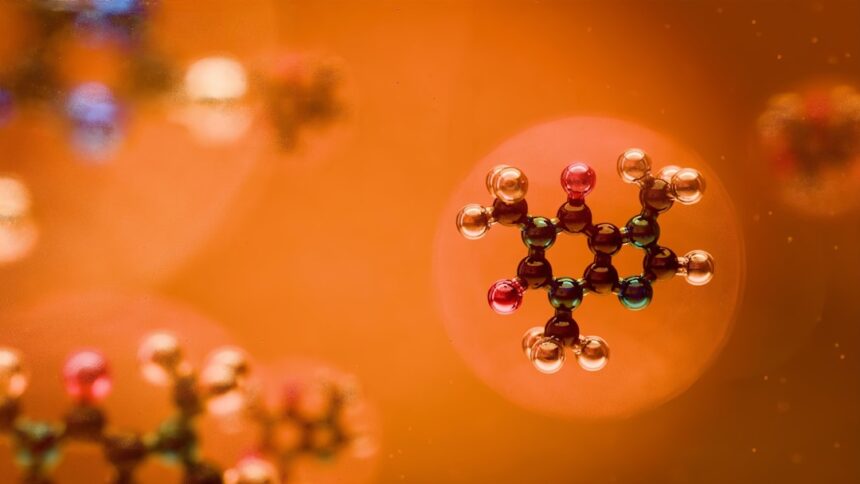
Three decades of dedicated research have culminated in a significant molecular characterisation milestone. Scientists have now determined the precise 3D structures of two bioactive molecules in rye pollen that exhibited anti-tumour activity in animal models, resolving a structural chemistry puzzle that began in the 1990s.
This extended timeline reflects the complexity inherent in characterising natural compounds with unusual molecular architectures. The breakthrough represents the culmination of sustained investigative effort, with structural investigation continuing throughout the 2000s and 2020s before achieving complete resolution.
The successful determination of these molecular structures now enables systematic investigation of immune-system interactions and mechanistic pathways. Researchers can now identify which specific chemical regions are responsible for anti-tumour effects, providing a foundation for future drug discovery efforts and potential clinical applications in cancer immunotherapy.
Read the full article on GMJ Newsroom.

Was this article helpful?