
Updated 14/09/2026
Consuming high amounts of junk food during childhood may alter brain circuits that control appetite and feeding behavior, according to new research reported in Science Daily. The study suggests these neurological changes persist into adulthood, even after transitioning to healthier eating patterns.
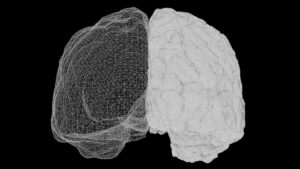
Brain regions affected by childhood junk food consumption
Areas showing disrupted appetite control after high-fat, high-sugar diets
Source: Science Daily, 2026 | Georgian Medical Journal News

Critical developmental window identified
The research, as reported by Science Daily, highlights vulnerability during childhood brain development when dietary patterns can establish lasting neurological pathways. Scientists observed that high-fat, high-sugar diets altered feeding behavior patterns and disrupted key appetite-control regions in developing brains.
These findings align with broader research on clinical understanding of how early nutritional exposures shape lifelong health outcomes. The study provides mechanistic evidence for why childhood dietary interventions may be particularly crucial for preventing adult metabolic disorders.
Persistent effects despite dietary improvements
The neurological changes appeared to persist even after participants switched to healthier eating patterns in adulthood, according to the Science Daily report. This suggests that the brain rewiring from childhood junk food consumption creates a biological predisposition that healthy adult choices cannot fully reverse.
Gut bacteria show promise for intervention
Despite the concerning persistence of brain changes, researchers discovered that certain gut-friendly bacteria and prebiotic fibers showed potential to partially reverse some damage, according to the Science Daily report. This microbiome-based approach represents a promising avenue for therapeutic intervention.
The gut-brain axis research has increasingly shown how intestinal bacteria can influence neurological function and behavior. These findings suggest that targeted probiotic interventions during childhood might help protect against junk food-induced brain changes.
Implications for childhood nutrition policy
The study’s findings have significant implications for childhood nutrition policies and parental feeding practices. If brain rewiring from early junk food consumption persists as the research suggests, prevention becomes far more critical than treatment approaches.
The research supports comprehensive approaches that address both individual behavior change and environmental factors that influence children’s food choices, as discussed in recent health policy discussions.
High-fat, high-sugar diets during childhood change feeding behavior and disrupt appetite-control regions in the brain, with effects that persist into adulthood.
— Science Daily report (2026)
Key takeaways
- Childhood junk food consumption may alter brain circuits controlling appetite and feeding behavior
- These neurological changes persist into adulthood despite later dietary improvements
- Certain gut bacteria and prebiotic fibers show promise for partially reversing some brain damage
- The findings emphasize the importance of early childhood nutrition interventions
- Prevention strategies may be more effective than treatment approaches for addressing diet-related brain changes
Frequently asked questions
Can adults reverse brain changes from childhood junk food consumption?
According to the Science Daily report, brain changes from childhood junk food consumption largely persist into adulthood, even after switching to healthier diets. However, certain gut bacteria and prebiotic fibers show promise for partially addressing some of the neurological changes.
What specific brain regions are affected by childhood junk food consumption?
The Science Daily report indicates that junk food disrupts appetite-control regions in the brain, though specific regional details would require access to the original research paper.
How early in childhood do these brain changes occur?
The Science Daily report suggests that the developing brain is particularly vulnerable during childhood, though the exact timing would require further detail from the original research.
These findings represent important new understanding of the long-term consequences of childhood nutrition choices. As research continues to reveal the persistence of early dietary impacts on brain development, the evidence suggests that protecting children from excessive junk food exposure remains an important strategy for preserving healthy brain development throughout life.
Source: Childhood junk food may rewire the brain for life
🗺️ Find certified Georgian healthcare providers: sheniekimi.ge — Georgia Health Map · 998 clinics · 6,600+ doctors · 2,296 pharmacies
Was this article helpful?
Disclaimer. This article is health journalism intended for general information and education. It is not medical advice and is not a substitute for professional diagnosis or treatment. Always consult a qualified healthcare provider about your individual circumstances. Full disclaimer →
Related Coverage



Editorial standards. This article was produced under the GMJ News editorial process, with oversight by the GMJ Editorial Board. Our editorial process. Spotted an error? Contact the editorial team.