By using this site, you agree to the Privacy Policy and Terms of Use.
Accept
GMJ NewsGMJ NewsGMJ News
  • Latest News
    • GMJ Briefs
  • Podcast & Media
    • Podcast Episodes
    • GMJ Audio
    • GMJ Videos
  • Research Digest
    • New Studies
    • Georgian Research
    • Data & Numbers
  • Policy & Systems
    • Health Policy
    • Quality & Safety
    • Migration & Health
    • Global Health
  • Practice
    • Clinical Updates
    • Case Discussions
    • Pharmacy & Prescribing
    • Ingredients A-Z
  • Perspectives
    • Editorial
    • Explainers
    • Voices
    • Letters
  • GMJ Articles
    • Vol. 1 Issue 2 (2026)
    • Vol. 1 Issue 1 (2026)
    • Pre-Launch Articles (2025)
  • Read the Journal →
  • About GMJ News
Notification Show More
Font ResizerAa
GMJ NewsGMJ News
Font ResizerAa
  • Latest News
    • GMJ Briefs
  • Podcast & Media
    • Podcast Episodes
    • GMJ Audio
    • GMJ Videos
  • Research Digest
    • New Studies
    • Georgian Research
    • Data & Numbers
  • Policy & Systems
    • Health Policy
    • Quality & Safety
    • Migration & Health
    • Global Health
  • Practice
    • Clinical Updates
    • Case Discussions
    • Pharmacy & Prescribing
    • Ingredients A-Z
  • Perspectives
    • Editorial
    • Explainers
    • Voices
    • Letters
  • GMJ Articles
    • Vol. 1 Issue 2 (2026)
    • Vol. 1 Issue 1 (2026)
    • Pre-Launch Articles (2025)
  • Read the Journal →
  • About GMJ News
Follow US
GMJ News > GMJ Briefs > Rethinking Fiber: Why Bacterial Fermentation Matters More Than Mechanical Action

Rethinking Fiber: Why Bacterial Fermentation Matters More Than Mechanical Action

GMJ
Last updated: 03/06/2026 01:38
By
Prof. Giorgi Pkhakadze
Share
1 Min Read
Scientific diagram showing bacterial fermentation of fiber into butyrate in the colon
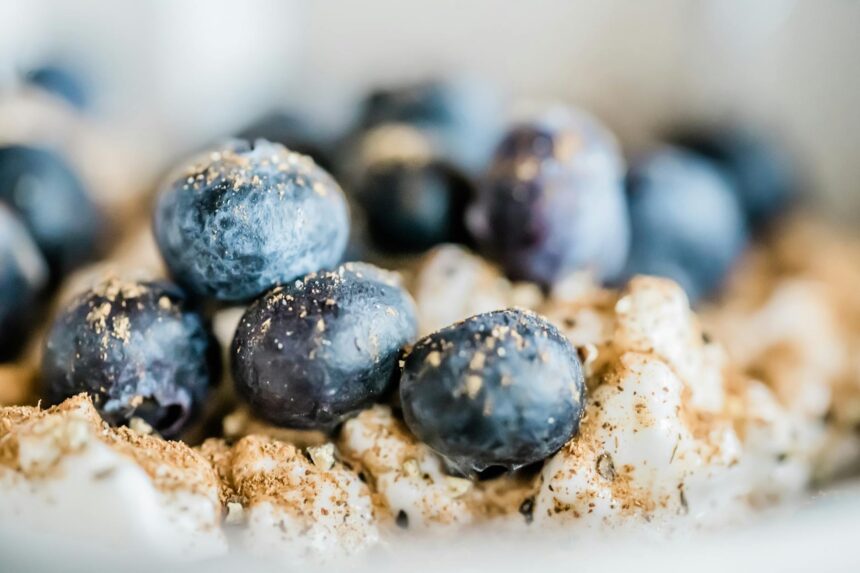
New research reveals fiber benefits gut health through bacterial butyrate production rather than mechanical cleansing. Colon cells derive 70% of their energy from butyrate produced when specific bacteria ferment dietary fiber. — Photo: Jessica Lewis 🦋 thepaintedsquare / Pexels
SHARE
1 min read|138 words

A fundamental shift in our understanding of dietary fiber’s health benefits is emerging from recent research. Rather than functioning as a mechanical cleanser, fiber serves as fuel for beneficial gut bacteria that produce critical compounds for colon health. New findings published in Cell Metabolism demonstrate that colonocytes—the cells lining the colon—derive approximately 70% of their energy from butyrate, a short-chain fatty acid produced when bacteria ferment dietary fiber. Specific bacterial species, including Faecalibacterium prausnitzii and Roseburia, metabolize indigestible plant material into these bioactive compounds. Among fiber types, resistant starch from cooled potatoes and green bananas proves most efficient at stimulating butyrate production. This mechanism explains why adequate fiber intake correlates with improved gut barrier function and reduced inflammatory conditions. Understanding this bacterial-driven process transforms dietary recommendations from simple quantity goals to quality-focused choices that support microbiome health.

Was this article helpful?

100% of readers found this helpful (1 votes)

GMJ Brief · Announcement

📰 Read the full article: Fiber Fuels Gut Health Through Bacterial Butyrate Production, Not Physical Cleansing →

Share This Article
Facebook LinkedIn Bluesky Copy Link Print
GMJ
ByProf. Giorgi Pkhakadze
Follow:
Prof. Giorgi Pkhakadze, MD, MPH, PhD, is Editor-in-Chief of the Georgian Medical Journal and Chair of the Public Health Institute of Georgia (PHIG). He is Professor and Head of the Department of Social and Behavioural Sciences at David Tvildiani Medical University, and Secretary/Treasurer of the UEMS Section of Public Health. ORCID: 0000-0001-7609-4515.

Submit Your Paper →

Georgia's peer-reviewed open-access medical journal. No APC until January 2027.
Submit Manuscript →
Protein Source and Meal Timing May Matter Less for Muscle Growth Than Assumed

A randomized controlled trial challenges two core beliefs in sports nutrition: that…

Lean protein outperforms high-fat sources for muscle growth after exercise, new trial shows

Lean protein sources stimulate muscle growth 47% more effectively than high-fat sources…

How Lutein and Zeaxanthin Protect Your Retina from Blue Light Damage

Lutein and zeaxanthin, dietary carotenoid pigments, concentrate in the retina's macula where…

Submit Your Paper to GMJ

No APC until January 2027.
Submit Manuscript →

You Might Also Like

Healthcare professionals and diverse patients illustrating language barrier challenges in medical settings

Professional Medical Interpreters: A Critical Tool for Reducing Healthcare Errors

By
Prof. Giorgi Pkhakadze
26/06/2026
Medical illustration showing heart protection from GLP-1 medications

Key Finding: GLP-1 Drugs Like Ozempic Cut Heart Attack Risk by 20% in Major Review

By
Prof. Giorgi Pkhakadze
09/06/2026

PHEIC Declaration: Ebola Outbreak with Cross-Border Transmission DRC-Uganda

By
Prof. Giorgi Pkhakadze
31/05/2026
Microscopic view of prostate cancer cells showing metabolic pathways

Three Critical Insights into Racial Differences in Prostate Cancer Drug Response

By
Prof. Giorgi Pkhakadze
19/07/2026
Facebook Twitter Youtube Instagram
Company
  • Privacy Policy
  • Contact US
  • GMJ Journal
  • Submit Manuscript
  • Editorial Team
  • Register at GMJ
  • Terms of Use

Subscribe to GMJ News — Click here

Join Community
© 2026 Georgian Medical Journal (GMJ). Published by the Public Health Institute of Georgia (PHIG). All rights reserved.
Welcome Back!

Sign in to your account

Username or Email Address
Password

Lost your password?

Not a member? Sign Up