By using this site, you agree to the Privacy Policy and Terms of Use.
Accept
GMJ NewsGMJ NewsGMJ News
  • Latest News
    • GMJ Briefs
  • Podcast & Media
    • Podcast Episodes
    • GMJ Audio
    • GMJ Videos
  • Research Digest
    • New Studies
    • Georgian Research
    • Data & Numbers
  • Policy & Systems
    • Health Policy
    • Quality & Safety
    • Migration & Health
    • Global Health
  • Practice
    • Clinical Updates
    • Case Discussions
    • Pharmacy & Prescribing
    • Ingredients A-Z
  • Perspectives
    • Editorial
    • Explainers
    • Voices
    • Letters
  • GMJ Articles
    • Vol. 1 Issue 2 (2026)
    • Vol. 1 Issue 1 (2026)
    • Pre-Launch Articles (2025)
  • Read the Journal →
  • About GMJ News
Notification Show More
Font ResizerAa
GMJ NewsGMJ News
Font ResizerAa
  • Latest News
    • GMJ Briefs
  • Podcast & Media
    • Podcast Episodes
    • GMJ Audio
    • GMJ Videos
  • Research Digest
    • New Studies
    • Georgian Research
    • Data & Numbers
  • Policy & Systems
    • Health Policy
    • Quality & Safety
    • Migration & Health
    • Global Health
  • Practice
    • Clinical Updates
    • Case Discussions
    • Pharmacy & Prescribing
    • Ingredients A-Z
  • Perspectives
    • Editorial
    • Explainers
    • Voices
    • Letters
  • GMJ Articles
    • Vol. 1 Issue 2 (2026)
    • Vol. 1 Issue 1 (2026)
    • Pre-Launch Articles (2025)
  • Read the Journal →
  • About GMJ News
Follow US
GMJ News > GMJ Briefs > Study Documents 8-10 Week Timeline for Zinc-Induced Copper Deficiency

Study Documents 8-10 Week Timeline for Zinc-Induced Copper Deficiency

GMJ
Last updated: 10/06/2026 16:42
By
Prof. Giorgi Pkhakadze
Share
1 Min Read
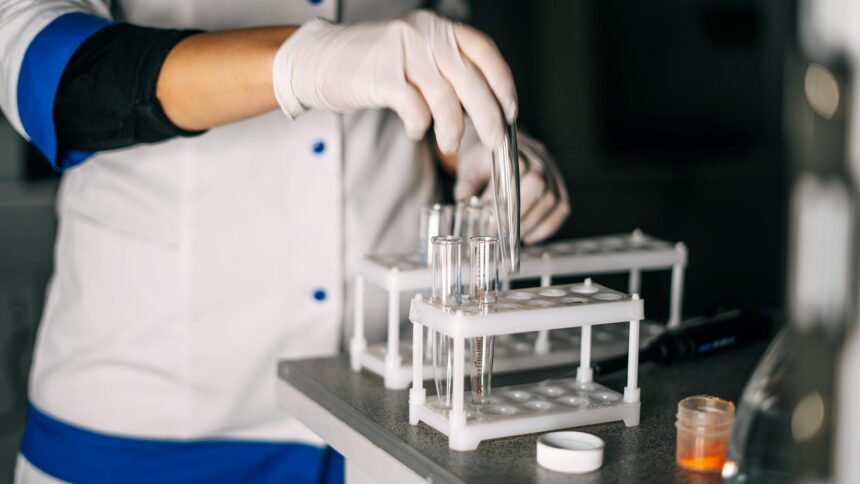
Diagram showing zinc and copper mineral absorption competition in intestinal cells
High-dose zinc supplements create dangerous copper deficiency through competitive absorption, leading to anemia and immune dysfunction. Experts recommend balanced 15:1 ratios to prevent supplement-induced mineral imbalances. — Photo: Daria / Pexels
SHARE
1 min read|136 words

New research highlights a concerning timeline: zinc supplements containing 30 mg or higher can trigger copper deficiency symptoms in as little as 8-10 weeks. Most supplement users remain unaware that zinc and copper compete for the same absorption pathway in the small intestine, creating direct interference. The phenomenon occurs because zinc exceeding 15-30 mg daily induces metallothionein proteins that bind copper, preventing its entry into systemic circulation. This bound copper is subsequently lost during normal intestinal cell turnover. Resulting copper deficiency manifests as treatment-resistant anemia, fatigue, and immune dysfunction that fails to improve with standard iron supplementation. The U.S. Recommended Dietary Allowance for copper is just 0.9 mg daily, yet common zinc supplements contain 30 mg or more—a ratio far exceeding the safe 15:1 threshold. Healthcare providers should screen zinc supplement users for copper status during routine evaluations.

Was this article helpful?

GMJ Brief · Key Finding

📰 Read the full article: High-Dose Zinc Supplements May Create Copper Deficiency, Warn Nutrition Experts →

Related reference
  • Zinc supplements · Drug
  • Copper · Ingredient
  • Iron · Ingredient
  • Zinc · Ingredient
  • SAMe · Ingredient
Share This Article
Facebook LinkedIn Bluesky Copy Link Print
GMJ
ByProf. Giorgi Pkhakadze
Follow:
Prof. Giorgi Pkhakadze, MD, MPH, PhD, is Editor-in-Chief of the Georgian Medical Journal and Chair of the Public Health Institute of Georgia (PHIG). He is Professor and Head of the Department of Social and Behavioural Sciences at David Tvildiani Medical University, and Secretary/Treasurer of the UEMS Section of Public Health. ORCID: 0000-0001-7609-4515.

Submit Your Paper →

Georgia's peer-reviewed open-access medical journal. No APC until January 2027.
Submit Manuscript →
New Clinical Guidelines Address Heart-Brain Multimorbidity Management

New clinical practice guidelines published in CMAJ provide evidence-based recommendations for managing…

Eli Lilly’s Gene Editor Cuts Cholesterol 62% in First Human Trial

Eli Lilly's experimental gene-editing therapy VERV-102 achieved a 62% reduction in cholesterol…

Beta Blockers After Heart Attack Show No Benefit in Major International Study

A major international study of over 5,000 patients found beta blockers provide…

Submit Your Paper to GMJ

No APC until January 2027.
Submit Manuscript →

You Might Also Like

Medical illustration showing iron transport pathways and copper enzyme checkpoints in human metabolism

Announcement: Iron Transport Requires Copper at Three Critical Checkpoints, Study Shows

By
Prof. Giorgi Pkhakadze
03/06/2026
Close-up of person rubbing irritated eyes, illustrating common but potentially harmful reflex behavior

Ophthalmologists Sound Alarm: Eye Rubbing Habit Poses Greater Risk Than Most Realize

By
Prof. Giorgi Pkhakadze
04/06/2026

PHEIC Declaration: Cross-Border Ebola Outbreak DRC-Uganda

By
Prof. Giorgi Pkhakadze
31/05/2026
Children laughing during therapeutic play session showing brain development benefits

Laughter Therapy Shows Remarkable Results: 94% Stress Reduction in Children

By
Prof. Giorgi Pkhakadze
11/06/2026
Facebook Twitter Youtube Instagram
Company
  • Privacy Policy
  • Contact US
  • GMJ Journal
  • Submit Manuscript
  • Editorial Team
  • Register at GMJ
  • Terms of Use

Subscribe to GMJ News — Click here

Join Community
© 2026 Georgian Medical Journal (GMJ). Published by the Public Health Institute of Georgia (PHIG). All rights reserved.
Welcome Back!

Sign in to your account

Username or Email Address
Password

Lost your password?

Not a member? Sign Up