By using this site, you agree to the Privacy Policy and Terms of Use.
Accept
GMJ NewsGMJ NewsGMJ News
  • Latest News
    • GMJ Briefs
  • Podcast & Media
    • Podcast Episodes
    • GMJ Audio
    • GMJ Videos
  • Research Digest
    • New Studies
    • Georgian Research
    • Data & Numbers
  • Policy & Systems
    • Health Policy
    • Quality & Safety
    • Migration & Health
    • Global Health
  • Practice
    • Clinical Updates
    • Case Discussions
    • Pharmacy & Prescribing
    • Ingredients A-Z
  • Perspectives
    • Editorial
    • Explainers
    • Voices
    • Letters
  • GMJ Articles
    • Vol. 1 Issue 2 (2026)
    • Vol. 1 Issue 1 (2026)
    • Pre-Launch Articles (2025)
  • Read the Journal →
  • About GMJ News
Notification Show More
Font ResizerAa
GMJ NewsGMJ News
Font ResizerAa
  • Latest News
    • GMJ Briefs
  • Podcast & Media
    • Podcast Episodes
    • GMJ Audio
    • GMJ Videos
  • Research Digest
    • New Studies
    • Georgian Research
    • Data & Numbers
  • Policy & Systems
    • Health Policy
    • Quality & Safety
    • Migration & Health
    • Global Health
  • Practice
    • Clinical Updates
    • Case Discussions
    • Pharmacy & Prescribing
    • Ingredients A-Z
  • Perspectives
    • Editorial
    • Explainers
    • Voices
    • Letters
  • GMJ Articles
    • Vol. 1 Issue 2 (2026)
    • Vol. 1 Issue 1 (2026)
    • Pre-Launch Articles (2025)
  • Read the Journal →
  • About GMJ News
Follow US
GMJ News > GMJ Briefs > Stem Cell Heart Patches Offer New Treatment Path for Millions with Advanced Heart Failure

Stem Cell Heart Patches Offer New Treatment Path for Millions with Advanced Heart Failure

GMJ
Last updated: 04/06/2026 20:58
By
Prof. Giorgi Pkhakadze
Share
1 Min Read
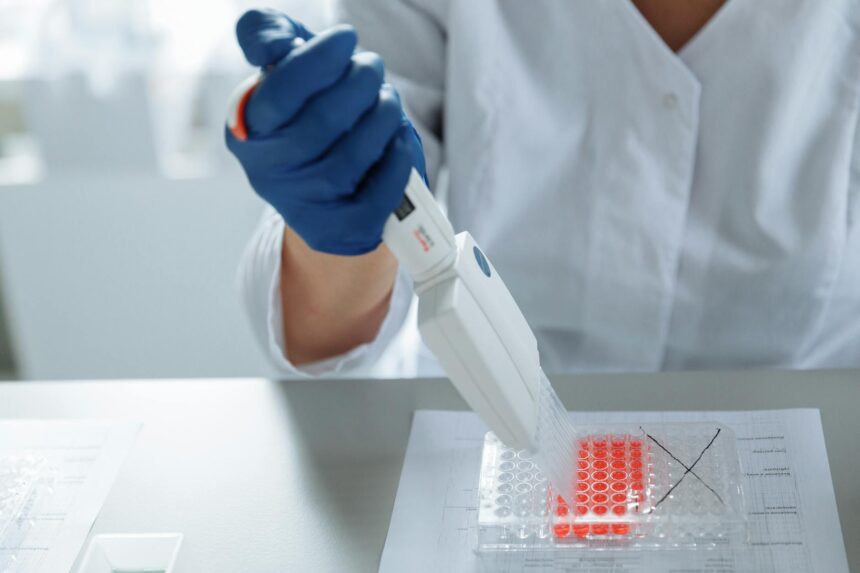
Medical illustration showing stem cell-derived heart patch being placed on damaged cardiac tissue
A stem cell-engineered heart patch improved cardiac function by 25% in patients with advanced heart failure during a first-in-human trial. The breakthrough offers new hope for patients with limited treatment options. — Photo: Thirdman / Pexels
SHARE
1 min read|166 words

A landmark clinical trial has demonstrated that bioengineered heart patches derived from stem cells can significantly improve cardiac function in patients with advanced heart failure. The BioVAT-HF study, published in The New England Journal of Medicine, marks the first successful human application of tissue-engineered cardiac patches, providing renewed hope for the 6.2 million Americans currently living with heart failure.

Eleven patients with severe heart failure received 4×2 centimeter patches created from induced pluripotent stem cells during cardiac surgery. At 12 months post-implantation, patients demonstrated an average 25 percent improvement in ejection fraction—a critical measure of heart pumping efficiency. Exercise tolerance also improved substantially, with patients walking an average of 41 meters further in standard fitness tests.

Lead investigator Dr. Wolfram-Hubertus Zimmermann from the University Medical Center Göttingen called the results “a very good first step” toward regenerative cardiac therapy. The trial reported zero serious adverse events attributed to the stem cell patches, establishing an encouraging safety profile for this groundbreaking approach. Read the full article on GMJ Newsroom.

Was this article helpful?

GMJ Brief · Announcement

📰 Read the full article: Stem Cell Heart Patch Shows Promise in Advanced Heart Failure Trial →

Related reference
  • Heart Failure · Condition
Share This Article
Facebook LinkedIn Bluesky Copy Link Print
GMJ
ByProf. Giorgi Pkhakadze
Follow:
Prof. Giorgi Pkhakadze, MD, MPH, PhD, is Editor-in-Chief of the Georgian Medical Journal and Chair of the Public Health Institute of Georgia (PHIG). He is Professor and Head of the Department of Social and Behavioural Sciences at David Tvildiani Medical University, and Secretary/Treasurer of the UEMS Section of Public Health. ORCID: 0000-0001-7609-4515.

Submit Your Paper →

Georgia's peer-reviewed open-access medical journal. No APC until January 2027.
Submit Manuscript →
Moderate Alcohol Suppresses Growth Hormone by 75%, Disrupts Sleep Architecture, Study Shows

Moderate alcohol consumption suppresses nocturnal growth hormone by 75% and fragments sleep…

Why creatine works in muscle but not the brain—yet

Creatine supplementation raises muscle creatine by 20–50% in days, but brain creatine…

Prenatal Iodine Deficiency Linked to Lower Verbal Intelligence in Adolescence, UK Study Finds

A 15-year UK cohort study shows that severe prenatal iodine deficiency is…

Submit Your Paper to GMJ

No APC until January 2027.
Submit Manuscript →

You Might Also Like

Clinical UpdatesNew StudiesPracticeResearch Digest

Vacuum-Assisted Delivery Linked to Long-Term Neurodevelopmental Risks in Swedish Population Study

By
Prof. Giorgi Pkhakadze
18/07/2026

EBOLA OUTBREAK – DRC/UGANDA CROSS-BORDER TRANSMISSION – PHEIC DECLARED

By
Prof. Giorgi Pkhakadze
31/05/2026

🚨 WOAH Statement on the Ebola Virus Disease Outbreak in the Democratic Republic of the Congo and Uganda

By
Prof. Giorgi Pkhakadze
20/06/2026
Ronan Keating performing with Boyzone, representing discussion of mental health in entertainment industry

Three Critical Insights on Celebrity Mental Health and Public Wellbeing

By
Prof. Giorgi Pkhakadze
16/07/2026
Facebook Twitter Youtube Instagram
Company
  • Privacy Policy
  • Contact US
  • GMJ Journal
  • Submit Manuscript
  • Editorial Team
  • Register at GMJ
  • Terms of Use

Subscribe to GMJ News — Click here

Join Community
© 2026 Georgian Medical Journal (GMJ). Published by the Public Health Institute of Georgia (PHIG). All rights reserved.
Welcome Back!

Sign in to your account

Username or Email Address
Password

Lost your password?

Not a member? Sign Up