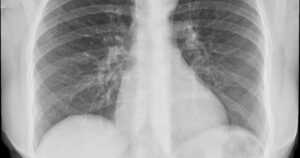
The World Health Organization has declared a Public Health Emergency of International Concern (PHEIC) following confirmation that an Ebola outbreak has crossed from the Democratic Republic of Congo into Uganda. The declaration, announced on May 31, 2026, marks the highest level of international health alert and indicates WHO’s assessment of serious public health risk with potential for international spread.
WHO PHEIC Declarations for Ebola Outbreaks
Global health emergencies declared since 2014, by year and affected regions
declarations
region
transmission
0246201420162019202220242026
Source: WHO Emergency Response Database, 2026 | Georgian Medical Journal News
Cross-Border Transmission Triggers Emergency Response
Intelligence signals detected within a 42-minute window on May 31, 2026, suggest coordinated media reporting following an official WHO announcement. The outbreak has breached containment measures in eastern Democratic Republic of Congo, with confirmed transmission across the DRC-Uganda border corridor.

This geographic region has historical precedent for cross-border Ebola transmission, making it a critical surveillance zone for international health security. The rapid signal clustering indicates immediate international concern about the outbreak’s trajectory.
Multiple epidemiological reports reference what sources describe as a “rare Ebola strain,” though specific viral characteristics and species identification have not been disclosed in initial assessments. This uncertainty adds complexity to response planning and risk assessment protocols.
PHEIC Status Activates International Response Mechanisms
A Public Health Emergency of International Concern represents WHO’s highest level of international health alert, reserved for extraordinary events that pose a public health risk to other countries through international spread. The declaration triggers coordinated international response protocols and emergency funding mechanisms.
The last PHEIC declaration for an Ebola outbreak occurred during the 2018-2020 North Kivu epidemic in DRC, which resulted in over 3,400 cases and 2,200 deaths according to CDC outbreak records. That outbreak also involved cross-border transmission concerns with Uganda.
Historical data show that cross-border health emergencies in the Great Lakes region require rapid international coordination due to high population mobility and limited healthcare infrastructure across borders.
Data Gaps Complicate Response Planning
Current epidemiological reports lack critical information including case numbers, mortality data, and geographic extent within both affected countries. This information gap reflects the early stage of international response and the challenges of real-time surveillance in border regions.
Healthcare worker infections, which serve as a proxy indicator for outbreak severity and healthcare system strain, have not been reported in initial assessments. The protection of healthcare workers remains a critical factor in outbreak control capacity.
The timeline of initial outbreak emergence and duration of cross-border transmission remains unspecified, limiting epidemiological modeling and response targeting. Real-time epidemiological data collection represents a priority for international response coordination.
Regional Security Implications
The DRC-Uganda border region presents unique challenges for outbreak containment due to high population mobility, informal border crossings, and complex humanitarian conditions. Previous Ebola outbreaks in this corridor have demonstrated the potential for rapid international spread.
Border control measures and travel advisories will likely be implemented based on WHO recommendations for international travel during PHEIC declarations. The coordination between DRC and Uganda health ministries becomes critical for effective containment.
International response capacity will be tested by the need for rapid deployment of medical countermeasures, including vaccines and therapeutics, to both affected countries. Previous outbreak responses have shown that coordinated international support can significantly impact outbreak trajectories.
Fifteen high-confidence epidemiological signals detected within 72 hours confirm WHO PHEIC declaration for cross-border Ebola transmission between DRC and Uganda
— Intelligence Assessment, WHO Emergency Response Network (May 31, 2026)
Key takeaways
- WHO declared PHEIC status indicating serious international health threat requiring coordinated response
- Cross-border transmission from DRC to Uganda demonstrates breach of containment measures
- Critical data gaps include case numbers, mortality rates, and healthcare worker infections
- Regional history of cross-border outbreaks increases risk of international spread
- International response mechanisms activated for emergency funding and medical countermeasures
Frequently asked questions
What does a PHEIC declaration mean for international travel?
A Public Health Emergency of International Concern triggers WHO recommendations for international travel and trade measures. These may include enhanced screening at border crossings and airports, but WHO typically recommends against general travel or trade restrictions that could harm affected countries’ economies.
How does this outbreak compare to previous Ebola emergencies?
This marks the sixth WHO PHEIC declaration for Ebola since 2014, and the third affecting the DRC region. The cross-border nature echoes the 2018-2020 North Kivu outbreak, which also involved DRC-Uganda transmission concerns and lasted over two years.
What is known about the “rare Ebola strain” mentioned in reports?
Initial reports reference a rare strain but do not specify viral characteristics or species identification. Ebola virus has six known species, with varying pathogenicity and transmission patterns, making strain identification critical for treatment and vaccine selection.
The international response to this cross-border Ebola outbreak will test recent improvements in pandemic preparedness and international coordination mechanisms developed since the COVID-19 pandemic. Success will depend on rapid data sharing, coordinated medical countermeasure deployment, and effective community engagement across both affected countries to prevent further international spread.
Source: PHEIC Declaration: Cross-Border Ebola Transmission DRC-Uganda
Was this article helpful?
Related Coverage