By using this site, you agree to the Privacy Policy and Terms of Use.
Accept
GMJ NewsGMJ NewsGMJ News
  • Latest News
    • GMJ Briefs
  • Podcast & Media
    • Podcast Episodes
    • GMJ Audio
    • GMJ Videos
  • Research Digest
    • New Studies
    • Georgian Research
    • Data & Numbers
  • Policy & Systems
    • Health Policy
    • Quality & Safety
    • Migration & Health
    • Global Health
  • Practice
    • Clinical Updates
    • Case Discussions
    • Pharmacy & Prescribing
    • Ingredients A-Z
  • Perspectives
    • Editorial
    • Explainers
    • Voices
    • Letters
  • Health Topics
  • GMJ Articles
    • Vol. 1 Issue 2 (2026)
    • Vol. 1 Issue 1 (2026)
    • Pre-Launch Articles (2025)
  • Read the Journal →
  • About GMJ News
Notification Show More
Font ResizerAa
GMJ NewsGMJ News
Font ResizerAa
  • Latest News
    • GMJ Briefs
  • Podcast & Media
    • Podcast Episodes
    • GMJ Audio
    • GMJ Videos
  • Research Digest
    • New Studies
    • Georgian Research
    • Data & Numbers
  • Policy & Systems
    • Health Policy
    • Quality & Safety
    • Migration & Health
    • Global Health
  • Practice
    • Clinical Updates
    • Case Discussions
    • Pharmacy & Prescribing
    • Ingredients A-Z
  • Perspectives
    • Editorial
    • Explainers
    • Voices
    • Letters
  • Health Topics
  • GMJ Articles
    • Vol. 1 Issue 2 (2026)
    • Vol. 1 Issue 1 (2026)
    • Pre-Launch Articles (2025)
  • Read the Journal →
  • About GMJ News
Follow US
GMJ News > GMJ Briefs > Carbohydrate Intake Reduces Glycogen Depletion by 9% During Endurance Exercise, Meta-Analysis Confirms

Carbohydrate Intake Reduces Glycogen Depletion by 9% During Endurance Exercise, Meta-Analysis Confirms

GMJ
Last updated: 10/08/2026 19:30
By
Prof. Giorgi Pkhakadze
Share
1 Min Read
Horizontal bar chart showing glycogen sparing effect across 48 individual study comparisons, with 46 studies lacking individual significance despite 9% pooled reduction
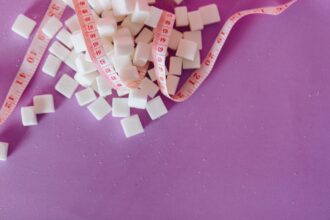
A meta-analysis of 31 crossover trials reveals that carbohydrate ingestion during prolonged endurance exercise reduces muscle glycogen depletion by approximately 9%, a statistically significant but modest effect. The finding clarifies that glycogen sparing is one of several performance-enhancement mechanisms, not the primary driver of carbohydrate's ergogenic benefits. — Photo by Omar Magdy Tri on Pexels (Pexels License)
SHARE
1 min read|121 words

A meta-analysis examining 31 randomized crossover trials has quantified the glycogen-sparing effect of carbohydrate supplementation during prolonged endurance exercise at approximately 9%, a statistically significant but modest reduction in muscle fuel depletion. The research, published in the Journal of Applied Physiology and led by Dr. Jacob A. Rothschild, analyzed predominantly cycling and running studies with exercise durations around 100 minutes. However, the data reveals considerable individual variability: despite the aggregate finding, 46 of 48 individual study comparisons failed to demonstrate statistically significant glycogen sparing. This discrepancy highlights that carbohydrate’s performance benefits extend well beyond fuel conservation. Current evidence suggests carbohydrate supplementation operates through multiple performance-enhancement pathways, making glycogen sparing just one component of its ergogenic profile in endurance athletics. Read the full article on GMJ Newsroom.

Was this article helpful?

GMJ Brief · Key Finding

📰 Read the full article: Carbohydrate Ingestion During Endurance Exercise: Meta-Analysis Shows Modest Glycogen Sparing Effect →

Share This Article
Facebook LinkedIn Bluesky Copy Link Print
GMJ
ByProf. Giorgi Pkhakadze
Follow:
Prof. Giorgi Pkhakadze, MD, MPH, PhD, is Editor-in-Chief of the Georgian Medical Journal and Chair of the Public Health Institute of Georgia (PHIG). He is Professor and Head of the Department of Social and Behavioural Sciences at David Tvildiani Medical University, and Secretary/Treasurer of the UEMS Section of Public Health. ORCID: 0000-0001-7609-4515.

Submit Your Paper →

Georgia's peer-reviewed open-access medical journal. No APC until January 2027.
Submit Manuscript →
Mobile HPV screening aboard river ships reaches cervical cancer care to remote Amazon communities

A mobile point-of-care HPV screening and treatment strategy delivered by river vessels…

Healthy Diet and Exercise Cut Disease Risk Even Without Weight Loss, Major US Study Finds

New analysis of three US cohorts published in The Lancet Regional Health—Americas…

WHO Adopts New Decade-Long Strategy to Combat Antimicrobial Resistance Through 2036

The WHO has adopted a comprehensive 10-year action plan (2026–2036) to combat…

Submit Your Paper to GMJ

No APC until January 2027.
Submit Manuscript →

You Might Also Like

Illustration of kidney transplant with donor bone marrow and regulatory T cell infusion protocol

Revolutionary Kidney Transplant Protocol Eliminates Need for Radiation Conditioning

By
Prof. Giorgi Pkhakadze
19/07/2026
Pancreatic cancer survival rates data visualization showing treatment outcomes by stage

What Pancreatic Cancer Patients Should Know About Daraxonrasib and Early Access Options

By
Prof. Giorgi Pkhakadze
09/07/2026

PHEIC Declaration for Cross-Border Ebola Transmission: DRC-Uganda

By
Prof. Giorgi Pkhakadze
31/05/2026
Medical illustration showing stem cell-derived heart patch being placed on damaged cardiac tissue

What Patients with Advanced Heart Failure Should Know About Emerging Stem Cell Therapies

By
Prof. Giorgi Pkhakadze
28/06/2026
Facebook Twitter Youtube Instagram
Company
  • Privacy Policy
  • Contact US
  • GMJ Journal
  • Submit Manuscript
  • Editorial Team
  • Register at GMJ
  • Terms of Use

Subscribe to GMJ News — Click here

Join Community
© 2026 Georgian Medical Journal (GMJ). Published by the Public Health Institute of Georgia (PHIG). All rights reserved.
Welcome Back!

Sign in to your account

Username or Email Address
Password

Lost your password?

Not a member? Sign Up