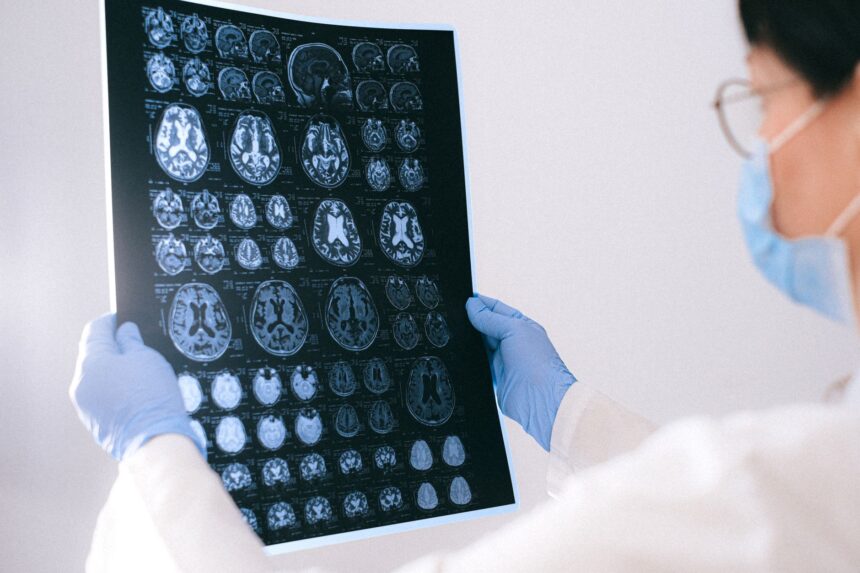
A landmark study published in Nature Medicine has identified the biological mechanisms that allow some individuals to maintain cognitive function despite significant Alzheimer’s disease pathology in their brains. Researchers analyzing brain tissue from cognitively resilient centenarians discovered that specific microglial activation patterns around amyloid plaques serve as a protective barrier against dementia development.
Using advanced spatial transcriptomics technology, scientists mapped gene expression changes in discrete tissue domains surrounding pathological hallmarks of Alzheimer’s disease. The findings reveal a critical inflection point where microglial responses transition from protective to harmful, determining whether individuals develop cognitive decline or remain cognitively intact.
These discoveries represent a paradigm shift in dementia research, shifting focus from simply clearing amyloid plaques to understanding the cellular neighborhoods that determine disease outcomes. The research opens promising avenues for developing targeted therapeutic interventions that could prevent cognitive decline in at-risk populations.
Read the full article on GMJ Newsroom.

Was this article helpful?