By using this site, you agree to the Privacy Policy and Terms of Use.
Accept
GMJ NewsGMJ NewsGMJ News
  • Latest News
    • GMJ Briefs
  • Podcast & Media
    • Podcast Episodes
    • GMJ Audio
    • GMJ Videos
  • Research Digest
    • New Studies
    • Georgian Research
    • Data & Numbers
  • Policy & Systems
    • Health Policy
    • Quality & Safety
    • Migration & Health
    • Global Health
  • Practice
    • Clinical Updates
    • Case Discussions
    • Pharmacy & Prescribing
    • Ingredients A-Z
  • Perspectives
    • Editorial
    • Explainers
    • Voices
    • Letters
  • Health Topics
  • GMJ Articles
    • Vol. 1 Issue 2 (2026)
    • Vol. 1 Issue 1 (2026)
    • Pre-Launch Articles (2025)
  • Read the Journal →
  • About GMJ News
Notification Show More
Font ResizerAa
GMJ NewsGMJ News
Font ResizerAa
  • Latest News
    • GMJ Briefs
  • Podcast & Media
    • Podcast Episodes
    • GMJ Audio
    • GMJ Videos
  • Research Digest
    • New Studies
    • Georgian Research
    • Data & Numbers
  • Policy & Systems
    • Health Policy
    • Quality & Safety
    • Migration & Health
    • Global Health
  • Practice
    • Clinical Updates
    • Case Discussions
    • Pharmacy & Prescribing
    • Ingredients A-Z
  • Perspectives
    • Editorial
    • Explainers
    • Voices
    • Letters
  • Health Topics
  • GMJ Articles
    • Vol. 1 Issue 2 (2026)
    • Vol. 1 Issue 1 (2026)
    • Pre-Launch Articles (2025)
  • Read the Journal →
  • About GMJ News
Follow US
GMJ News > GMJ Briefs > Critical Care Data: Bicarbonate Fails to Improve Survival Rates

Critical Care Data: Bicarbonate Fails to Improve Survival Rates

GMJ
Last updated: 15/07/2026 14:43
By
Prof. Giorgi Pkhakadze
Share
1 Min Read
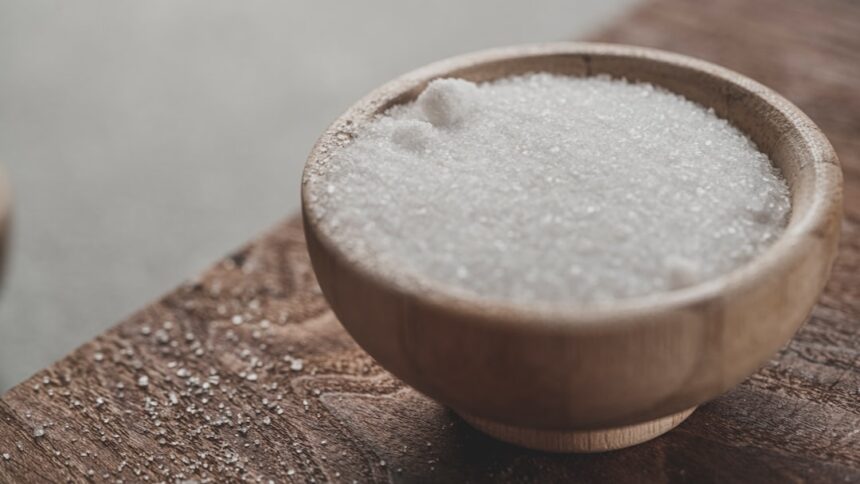
Medical chart showing 28-day mortality comparison between bicarbonate and standard care groups
Largest trial to date finds sodium bicarbonate therapy does not reduce mortality in critically ill adults with metabolic acidosis and shock. The BICAR-ICU study challenges decades of routine clinical practice in intensive care units worldwide. — Photo by Faran Raufi on Unsplash (Unsplash License)
SHARE
1 min read|139 words

New evidence from the BICAR-ICU trial reveals striking mortality statistics that question the efficacy of sodium bicarbonate therapy in critical illness. Among 3,396 enrolled patients with metabolic acidosis and shock, 28-day mortality reached 32.7% in the bicarbonate-treated group versus 31.5% in standard care patients—a negligible 1.2% absolute difference with no statistical significance.

This landmark randomized controlled trial, published in The New England Journal of Medicine, provides definitive data on an intervention that has been routinely administered across intensive care units for decades. The absence of mortality benefit persisted despite bicarbonate’s theoretical mechanism of acid-base correction. Secondary outcomes, including organ dysfunction scores, similarly demonstrated no meaningful improvement. These findings represent a critical data point for clinicians reassessing treatment protocols and suggest that alternative or supportive strategies may deserve greater emphasis in managing acidemic critically ill patients.

Read the full article on GMJ Newsroom.

Was this article helpful?

GMJ Brief · Key Finding

📰 Read the full article: Sodium Bicarbonate Shows No Mortality Benefit for Critically Ill Adults in Largest Trial to Date →

Related reference
  • Sodium · Ingredient
Share This Article
Facebook LinkedIn Bluesky Copy Link Print
GMJ
ByProf. Giorgi Pkhakadze
Follow:
Prof. Giorgi Pkhakadze, MD, MPH, PhD, is Editor-in-Chief of the Georgian Medical Journal and Chair of the Public Health Institute of Georgia (PHIG). He is Professor and Head of the Department of Social and Behavioural Sciences at David Tvildiani Medical University, and Secretary/Treasurer of the UEMS Section of Public Health. ORCID: 0000-0001-7609-4515.

Submit Your Paper →

Georgia's peer-reviewed open-access medical journal. No APC until January 2027.
Submit Manuscript →
UK’s MHRA Launches Innovation Guidance to Accelerate Medical Device and Drug Development

The UK's MHRA has published formal guidance for drug and medical device…

Rural Healthcare’s $50 Billion Question: Can Technology Alone Solve Workforce Shortages?

A $50 billion US rural healthcare investment prioritises technology infrastructure, but health…

FDA-Approved Drug Restores Immunotherapy Efficacy in Rare Liver Cancer by Releasing Trapped T Cells

Researchers have identified that rare liver cancers evade immunotherapy by trapping immune…

Submit Your Paper to GMJ

No APC until January 2027.
Submit Manuscript →

You Might Also Like

Cancer patient exercising at home during chemotherapy treatment for cognitive protection

New Data Reveals Scope of Chemo Brain and Promise of Exercise Intervention

By
Prof. Giorgi Pkhakadze
09/07/2026
Hospital medication dispensing system highlighting patient safety protocols

From Conviction to Change: How One Nurse’s Error Is Reshaping Hospital Safety Culture

By
Prof. Giorgi Pkhakadze
15/07/2026
World map showing global migration research network connections and priority focus areas

IOM Strengthens Global Migration Research to Bridge Evidence Gaps in Migrant Health

By
Prof. Giorgi Pkhakadze
27/06/2026
Medical research illustration showing oral medication and weight loss outcomes

What Clinicians Should Know About the New Oral GLP-1 Option

By
Prof. Giorgi Pkhakadze
07/07/2026
Facebook Twitter Youtube Instagram
Company
  • Privacy Policy
  • Contact US
  • GMJ Journal
  • Submit Manuscript
  • Editorial Team
  • Register at GMJ
  • Terms of Use

Subscribe to GMJ News — Click here

Join Community
© 2026 Georgian Medical Journal (GMJ). Published by the Public Health Institute of Georgia (PHIG). All rights reserved.
Welcome Back!

Sign in to your account

Username or Email Address
Password

Lost your password?

Not a member? Sign Up