By using this site, you agree to the Privacy Policy and Terms of Use.
Accept
GMJ NewsGMJ NewsGMJ News
  • Latest News
    • GMJ Briefs
  • Podcast & Media
    • Podcast Episodes
    • GMJ Audio
    • GMJ Videos
  • Research Digest
    • New Studies
    • Georgian Research
    • Data & Numbers
  • Policy & Systems
    • Health Policy
    • Quality & Safety
    • Migration & Health
    • Global Health
  • Practice
    • Clinical Updates
    • Case Discussions
    • Pharmacy & Prescribing
    • Ingredients A-Z
  • Perspectives
    • Editorial
    • Explainers
    • Voices
    • Letters
  • GMJ Articles
    • Vol. 1 Issue 2 (2026)
    • Vol. 1 Issue 1 (2026)
    • Pre-Launch Articles (2025)
  • Read the Journal →
  • About GMJ News
Notification Show More
Font ResizerAa
GMJ NewsGMJ News
Font ResizerAa
  • Latest News
    • GMJ Briefs
  • Podcast & Media
    • Podcast Episodes
    • GMJ Audio
    • GMJ Videos
  • Research Digest
    • New Studies
    • Georgian Research
    • Data & Numbers
  • Policy & Systems
    • Health Policy
    • Quality & Safety
    • Migration & Health
    • Global Health
  • Practice
    • Clinical Updates
    • Case Discussions
    • Pharmacy & Prescribing
    • Ingredients A-Z
  • Perspectives
    • Editorial
    • Explainers
    • Voices
    • Letters
  • GMJ Articles
    • Vol. 1 Issue 2 (2026)
    • Vol. 1 Issue 1 (2026)
    • Pre-Launch Articles (2025)
  • Read the Journal →
  • About GMJ News
Follow US
GMJ News > GMJ Briefs > Data Shows Stark Regional Gaps in Lung Transplant Availability

Data Shows Stark Regional Gaps in Lung Transplant Availability

GMJ
Last updated: 14/06/2026 20:27
By
Prof. Giorgi Pkhakadze
Share
1 Min Read
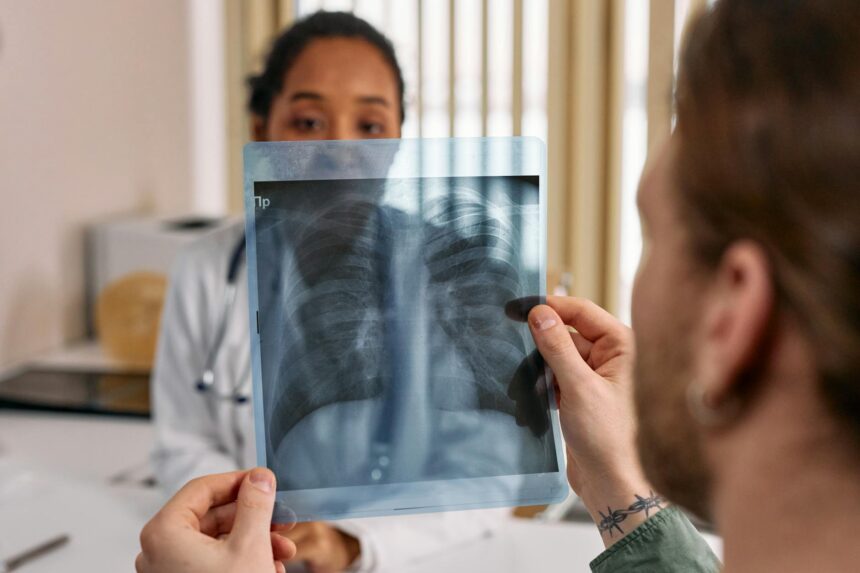
Medical illustration showing geographic map with lung transplant access indicators across US regions
New research reveals that geographic location continues to influence access to donor lungs in the US despite recent policy reforms. Cleveland Clinic study shows persistent regional disparities in transplant opportunities. — Photo: cottonbro studio / Pexels
SHARE
1 min read|119 words

A comprehensive analysis by Cleveland Clinic and Case Western Reserve University researchers reveals stark disparities in lung transplant access across different U.S. regions. The findings demonstrate that geographic location remains a critical barrier to equitable organ distribution, even following national allocation system updates implemented to address regional inequities.

According to the research, high-access regions achieved transplant rates of 85 percent, compared to moderate-access regions at 65 percent and limited-access regions at just 42 percent. These significant variations indicate that patients’ geographic location substantially impacts their likelihood of receiving a transplant. The persistent disparities suggest that policy changes have not adequately addressed underlying structural inequities in the organ allocation system, prompting researchers to call for additional refinements to achieve truly equitable access.

Was this article helpful?

GMJ Brief · Key Finding

📰 Read the full article: Geographic Disparities Persist in US Lung Transplant Access Despite Policy Changes →

Share This Article
Facebook LinkedIn Bluesky Copy Link Print
GMJ
ByProf. Giorgi Pkhakadze
Follow:
Prof. Giorgi Pkhakadze, MD, MPH, PhD, is Editor-in-Chief of the Georgian Medical Journal and Chair of the Public Health Institute of Georgia (PHIG). He is Professor and Head of the Department of Social and Behavioural Sciences at David Tvildiani Medical University, and Secretary/Treasurer of the UEMS Section of Public Health. ORCID: 0000-0001-7609-4515.

Submit Your Paper →

Georgia's peer-reviewed open-access medical journal. No APC until January 2027.
Submit Manuscript →
IOM Calls for Evidence-Based Innovation to Transform Migration Health Systems

IOM outlines comprehensive innovation framework to transform healthcare access for 281 million…

Global Migration Governance Shows Critical Implementation Gaps Despite Policy Progress

New IOM assessment reveals critical gaps between migration policy adoption and implementation.…

IOM Global Migration Research Network Expands Scientific Evidence Base for Policy

IOM expands its global research network to address critical knowledge gaps in…

Submit Your Paper to GMJ

No APC until January 2027.
Submit Manuscript →

You Might Also Like

Portrait of Dr. James Phillip Luby in laboratory setting with medical equipment

Legacy of Excellence: Dr. James Phillip Luby’s Impact on Infectious Disease Medicine

By
Prof. Giorgi Pkhakadze
12/06/2026
Pharmacy & PrescribingPolicy & SystemsPracticeQuality & Safety

Medline Issues Correction for Convenience Kits Containing Recalled Bupivacaine Injection

By
Prof. Giorgi Pkhakadze
15/06/2026
Medical professional preparing 4CMenB vaccine for gonorrhoea prevention programme

UK Makes History with First National Gonorrhoea Vaccination Programme

By
Prof. Giorgi Pkhakadze
08/06/2026

CLUSTER ALERT: Cross-Border Ebola Outbreak – DRC/Uganda

By
Prof. Giorgi Pkhakadze
31/05/2026
Facebook Twitter Youtube Instagram
Company
  • Privacy Policy
  • Contact US
  • GMJ Journal
  • Submit Manuscript
  • Editorial Team
  • Register at GMJ
  • Terms of Use

Subscribe to GMJ News — Click here

Join Community
© 2026 Georgian Medical Journal (GMJ). Published by the Public Health Institute of Georgia (PHIG). All rights reserved.
Welcome Back!

Sign in to your account

Username or Email Address
Password

Lost your password?

Not a member? Sign Up