A new analytical review published in Food Hydrocolloids challenges the assumption that dietary fiber content remains constant across food sources. Researchers have documented that fiber composition varies dramatically based on ripeness, cooking methods, growing conditions, and plant cultivar—factors that significantly affect what consumers actually ingest.
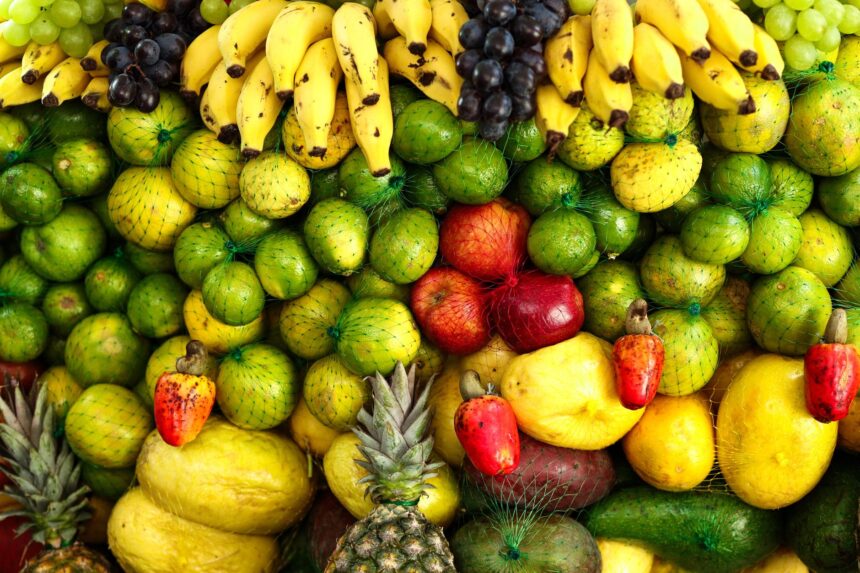
The findings have substantial implications for clinical nutrition and public health guidance. An unripe banana contains approximately 18 grams of fiber per 100 grams, while an overripe banana contains just 2 grams, representing a ninefold reduction driven by starch conversion. Cooking methods further alter fiber profiles by leaching specific compounds like fructooligosaccharides (FOS). Even identical apple varieties from different regions show markedly different fiber levels.
These variations raise critical questions about the reliability of standardized nutrition labels and one-size-fits-all dietary recommendations, particularly for patients managing conditions requiring precise fiber intake.
Read the full article on GMJ Newsroom.

Was this article helpful?