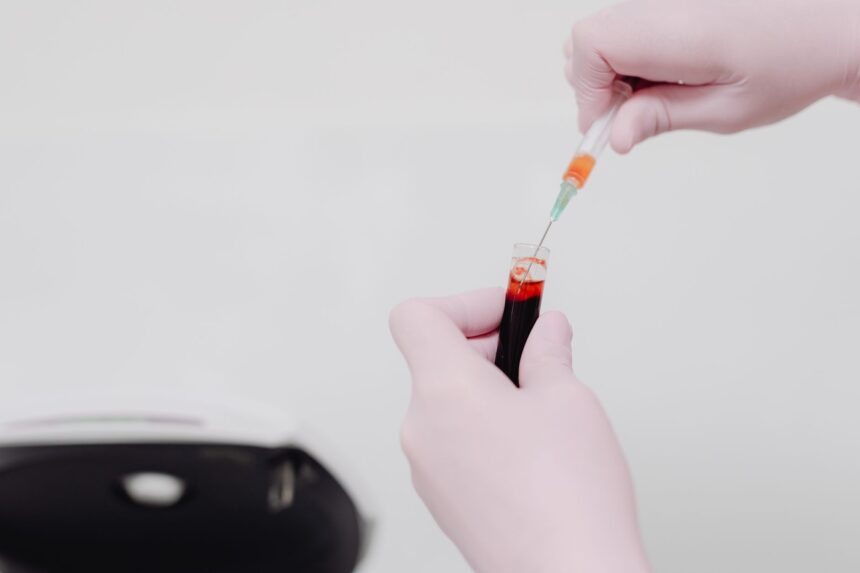
Researchers at the University of Edinburgh have made a significant breakthrough in endometriosis diagnostics by identifying a distinct hormonal signature detectable in blood samples. This discovery offers a potential pathway toward non-invasive diagnosis of a condition that affects approximately 10% of women of reproductive age.
Currently, definitive endometriosis diagnosis requires diagnostic laparoscopy, a minimally invasive surgical procedure that carries inherent risks and contributes to prolonged diagnostic delays. The identification of a specific hormonal pattern in blood presents a promising alternative that could streamline the diagnostic process and reduce patient burden.
If further validated, a blood test based on this biomarker could transform clinical practice by enabling earlier detection and intervention, potentially improving treatment outcomes and reducing the average 7–10 year diagnostic delay observed across North America, Europe, and other regions. Read the full article on GMJ Newsroom.
Was this article helpful?