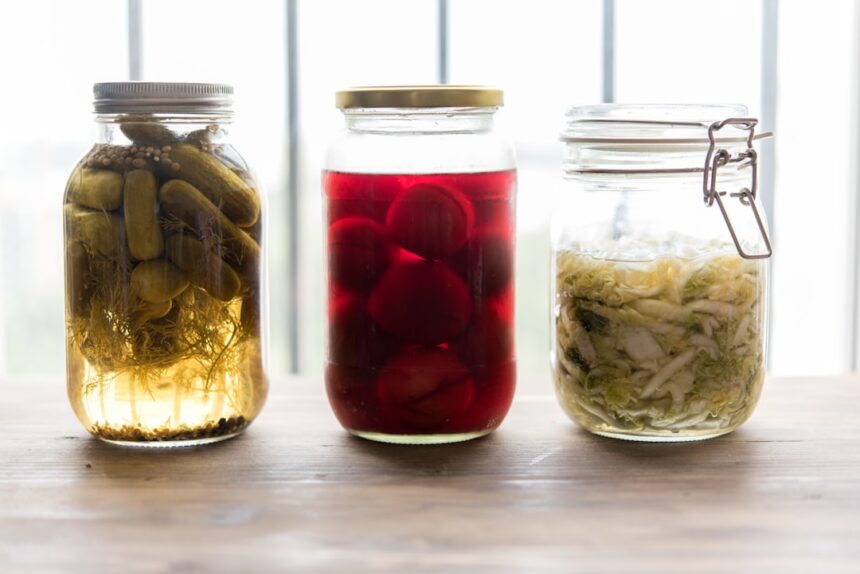
The surge in early-onset colorectal cancer diagnoses has prompted a significant shift in clinical prevention conversations, with fermented foods and microbiome science emerging as focal points for dietary intervention. Clinicians are increasingly discussing fermentation—an ancient preservation technique now supported by contemporary microbial research—alongside established screening protocols to address cancer prevention in populations under 50.
This convergence of traditional food practices and modern science reflects broader changes in clinical practice, where personalized microbiome approaches and fiber-focused dietary strategies are entering mainstream treatment discussions. However, experts emphasize that while fermented foods show promise for supporting gut microbiota diversity, substantial evidence gaps remain regarding their direct cancer-preventive effects. The clinical community continues to weigh the emerging microbiome evidence against established prevention benchmarks.
Read the full article on GMJ Newsroom.
Was this article helpful?