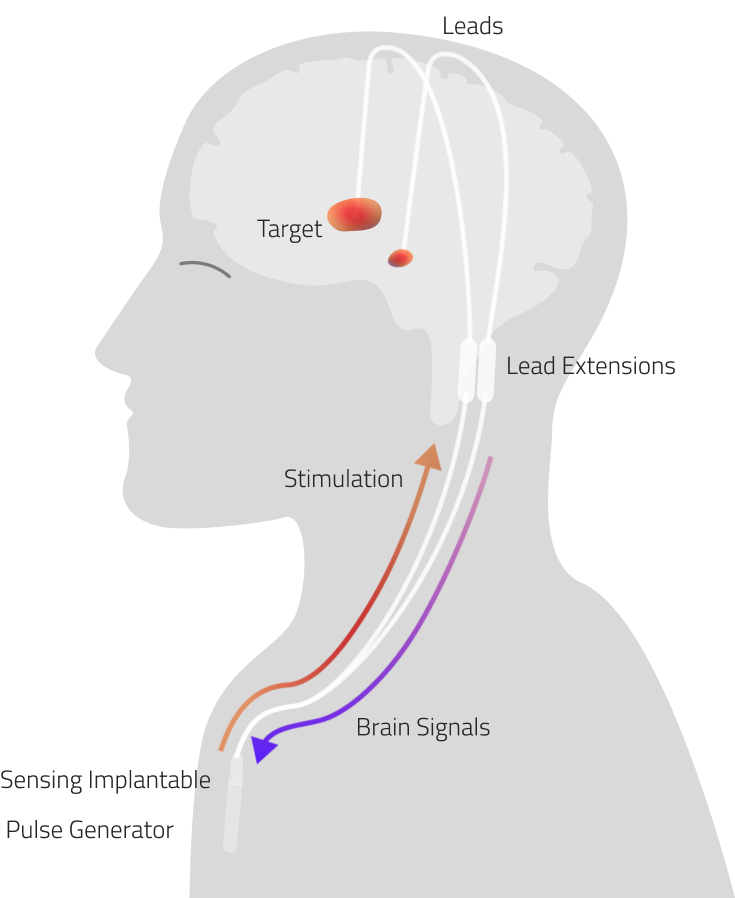
A new paradigm in neuromodulation has emerged with the development of activity-dependent deep brain stimulation systems that employ real-time neural decoding. According to research published in Nature Medicine, this technology represents a decisive shift from conventional DBS, which delivers constant electrical stimulation, to responsive systems capable of adjusting dynamically based on brain activity patterns during movement. The key advancement lies in machine learning’s ability to decode neural signals associated with locomotion, enabling context-aware stimulation that responds to the brain’s own motor commands. This evolution—from fixed-parameter to adaptive systems—demonstrates how computational neuroscience can enhance therapeutic precision. The transition reflects a broader trend toward personalized medicine, where treatment parameters adapt continuously to individual patient physiology rather than relying on predetermined settings.
Was this article helpful?