By using this site, you agree to the Privacy Policy and Terms of Use.
Accept
GMJ NewsGMJ NewsGMJ News
  • Latest News
    • GMJ Briefs
  • Podcast & Media
    • Podcast Episodes
    • GMJ Audio
    • GMJ Videos
  • Research Digest
    • New Studies
    • Georgian Research
    • Data & Numbers
  • Policy & Systems
    • Health Policy
    • Quality & Safety
    • Migration & Health
    • Global Health
  • Practice
    • Clinical Updates
    • Case Discussions
    • Pharmacy & Prescribing
    • Ingredients A-Z
  • Perspectives
    • Editorial
    • Explainers
    • Voices
    • Letters
  • GMJ Articles
    • Vol. 1 Issue 2 (2026)
    • Vol. 1 Issue 1 (2026)
    • Pre-Launch Articles (2025)
  • Read the Journal →
  • About GMJ News
Notification Show More
Font ResizerAa
GMJ NewsGMJ News
Font ResizerAa
  • Latest News
    • GMJ Briefs
  • Podcast & Media
    • Podcast Episodes
    • GMJ Audio
    • GMJ Videos
  • Research Digest
    • New Studies
    • Georgian Research
    • Data & Numbers
  • Policy & Systems
    • Health Policy
    • Quality & Safety
    • Migration & Health
    • Global Health
  • Practice
    • Clinical Updates
    • Case Discussions
    • Pharmacy & Prescribing
    • Ingredients A-Z
  • Perspectives
    • Editorial
    • Explainers
    • Voices
    • Letters
  • GMJ Articles
    • Vol. 1 Issue 2 (2026)
    • Vol. 1 Issue 1 (2026)
    • Pre-Launch Articles (2025)
  • Read the Journal →
  • About GMJ News
Follow US
GMJ News > GMJ Briefs > Japanese Researchers Engineer Vitamin K Compounds with Revolutionary Neuronal Regeneration Potential

Japanese Researchers Engineer Vitamin K Compounds with Revolutionary Neuronal Regeneration Potential

GMJ
Last updated: 15/07/2026 02:06
By
Prof. Giorgi Pkhakadze
Share
1 Min Read
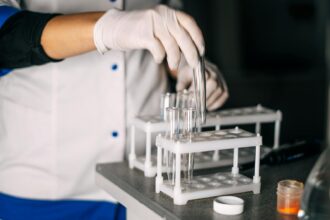
Scientific illustration of vitamin K molecules and neural stem cells in the brain
Japanese researchers have developed enhanced vitamin K compounds that show three times greater effectiveness at converting neural stem cells into neurons. The breakthrough could lead to new regenerative therapies for Alzheimer's, Parkinson's, and other neurodegenerative diseases. — Photo by Tara Winstead on Pexels (Pexels License)
SHARE
1 min read|143 words

Japanese scientists have achieved a significant breakthrough in regenerative neurology by developing enhanced vitamin K compounds that demonstrate three times greater effectiveness at converting neural stem cells into neurons compared to naturally occurring vitamin K. The research team created hybrid compounds by combining vitamin K with vitamin A-related components, resulting in modified molecules with superior neurogenic properties.

This advancement holds considerable promise for treating neurodegenerative diseases that currently affect millions globally. With over 55 million people worldwide living with dementia and current treatments limited to symptom management, these engineered compounds represent a novel therapeutic approach targeting the brain’s inherent regenerative capacity. By activating neural stem cells—the body’s natural repair mechanism—the enhanced compounds may offer a pathway toward reversing neuronal damage and restoring cognitive and motor function in patients with conditions like Alzheimer’s and Parkinson’s disease.

Read the full article on GMJ Newsroom.

Was this article helpful?

GMJ Brief · Announcement

📰 Read the full article: Japanese scientists develop supercharged vitamin K compounds that may regenerate brain neurons →

Related reference
  • Vitamin A · Ingredient
  • Vitamin K · Ingredient
Share This Article
Facebook LinkedIn Bluesky Copy Link Print
GMJ
ByProf. Giorgi Pkhakadze
Follow:
Prof. Giorgi Pkhakadze, MD, MPH, PhD, is Editor-in-Chief of the Georgian Medical Journal and Chair of the Public Health Institute of Georgia (PHIG). He is Professor and Head of the Department of Social and Behavioural Sciences at David Tvildiani Medical University, and Secretary/Treasurer of the UEMS Section of Public Health. ORCID: 0000-0001-7609-4515.

Submit Your Paper →

Georgia's peer-reviewed open-access medical journal. No APC until January 2027.
Submit Manuscript →
Five Foods Cardiologists Recommend for Men’s Heart Health: Evidence from Clinical Practice

Cardiologists recommend five evidence-based foods—fatty fish, nuts, whole grains, legumes, and leafy…

Wide disparities in congenital heart disease detection across Argentina revealed by national registry data

A population-based analysis of Argentina's National Registry of Congenital Heart Diseases reveals…

Early sexual initiation in Zambia: New data reveals age 17 median, literacy as protective factor

A new analysis of 2024 Zambian survey data shows 70% of young…

Submit Your Paper to GMJ

No APC until January 2027.
Submit Manuscript →

You Might Also Like

Automated compounding system with syringe labels in hospital pharmacy setting

FDA Issues Class II Recall for Omnicell Syringe Labels Following System Detection Failures

By
Prof. Giorgi Pkhakadze
01/06/2026
Medical infographic showing meningitis warning signs and transmission patterns

1 in 4 Healthy People May Carry Meningitis Bacteria Without Knowing

By
Prof. Giorgi Pkhakadze
17/07/2026
Portrait of Dr. James Phillip Luby in laboratory setting with medical equipment

The Numbers Behind Hospital Safety: Dr. Luby’s 40% Reduction in Pneumonia Rates

By
Prof. Giorgi Pkhakadze
19/06/2026

🚨 WHO adds first diagnostic test for Ebola Bundibugyo virus to its Emergency Use Listing

By
Prof. Giorgi Pkhakadze
03/07/2026
Facebook Twitter Youtube Instagram
Company
  • Privacy Policy
  • Contact US
  • GMJ Journal
  • Submit Manuscript
  • Editorial Team
  • Register at GMJ
  • Terms of Use

Subscribe to GMJ News — Click here

Join Community
© 2026 Georgian Medical Journal (GMJ). Published by the Public Health Institute of Georgia (PHIG). All rights reserved.
Welcome Back!

Sign in to your account

Username or Email Address
Password

Lost your password?

Not a member? Sign Up