By using this site, you agree to the Privacy Policy and Terms of Use.
Accept
GMJ NewsGMJ NewsGMJ News
  • Latest News
    • GMJ Briefs
  • Podcast & Media
    • Podcast Episodes
    • GMJ Audio
    • GMJ Videos
  • Research Digest
    • New Studies
    • Georgian Research
    • Data & Numbers
  • Policy & Systems
    • Health Policy
    • Quality & Safety
    • Migration & Health
    • Global Health
  • Practice
    • Clinical Updates
    • Case Discussions
    • Pharmacy & Prescribing
    • Ingredients A-Z
  • Perspectives
    • Editorial
    • Explainers
    • Voices
    • Letters
  • GMJ Articles
    • Vol. 1 Issue 2 (2026)
    • Vol. 1 Issue 1 (2026)
    • Pre-Launch Articles (2025)
  • Read the Journal →
  • About GMJ News
Notification Show More
Font ResizerAa
GMJ NewsGMJ News
Font ResizerAa
  • Latest News
    • GMJ Briefs
  • Podcast & Media
    • Podcast Episodes
    • GMJ Audio
    • GMJ Videos
  • Research Digest
    • New Studies
    • Georgian Research
    • Data & Numbers
  • Policy & Systems
    • Health Policy
    • Quality & Safety
    • Migration & Health
    • Global Health
  • Practice
    • Clinical Updates
    • Case Discussions
    • Pharmacy & Prescribing
    • Ingredients A-Z
  • Perspectives
    • Editorial
    • Explainers
    • Voices
    • Letters
  • GMJ Articles
    • Vol. 1 Issue 2 (2026)
    • Vol. 1 Issue 1 (2026)
    • Pre-Launch Articles (2025)
  • Read the Journal →
  • About GMJ News
Follow US
GMJ News > GMJ Briefs > Malaria Protection Gaps Widen Disparities for African Children

Malaria Protection Gaps Widen Disparities for African Children

GMJ
Last updated: 31/05/2026 20:54
By
Prof. Giorgi Pkhakadze
Share
1 Min Read
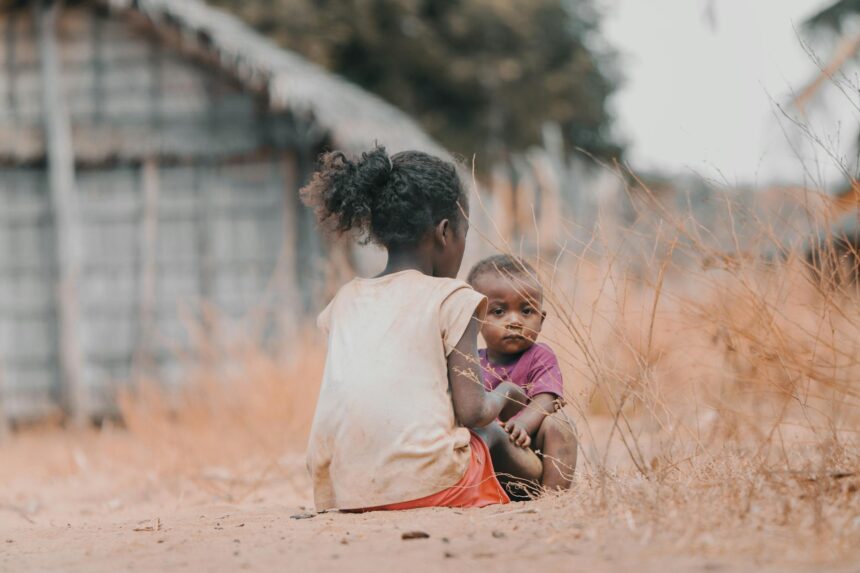
Map showing malaria prevention coverage across sub-Saharan African countries
Analysis of 17 sub-Saharan African countries reveals dramatic disparities in malaria protection for children under 5. Rural children from poor families face up to three times higher infection rates than urban counterparts. — Photo: Chrystopher Huyghensnot / Pexels
SHARE
1 min read|129 words

A comprehensive analysis spanning 17 sub-Saharan African countries reveals alarming inequities in childhood malaria protection, with rural and economically disadvantaged children bearing the heaviest burden of disease. The research, examining Malaria Indicator Survey data, demonstrates that geographic location and household poverty remain powerful determinants of infection risk, independent of healthcare access variables.

Children in rural areas and poorest households experience infection rates substantially higher than their urban, wealthier counterparts, underscoring systemic failures in prevention program delivery. While insecticide-treated bed nets represent a critical intervention strategy, distribution alone proves insufficient—several countries achieving high coverage rates still report elevated prevalence, indicating implementation and utilization barriers require urgent attention.

These findings highlight the need for targeted, equity-focused malaria control strategies that address underlying structural inequalities rather than relying solely on resource distribution.

Was this article helpful?

Related reference
  • Malaria · Condition
Share This Article
Facebook LinkedIn Bluesky Copy Link Print
GMJ
ByProf. Giorgi Pkhakadze
Follow:
Prof. Giorgi Pkhakadze, MD, MPH, PhD, is Editor-in-Chief of the Georgian Medical Journal and Chair of the Public Health Institute of Georgia (PHIG). He is Professor and Head of the Department of Social and Behavioural Sciences at David Tvildiani Medical University, and Secretary/Treasurer of the UEMS Section of Public Health. ORCID: 0000-0001-7609-4515.

Submit Your Paper →

Georgia's peer-reviewed open-access medical journal. No APC until January 2027.
Submit Manuscript →
Taurine and Cancer: Separating Laboratory Findings from Dietary Risk

Recent headlines claimed taurine fuels cancer, but a Nature study of leukemia…

Sleep deprivation damages multiple body systems simultaneously, six controlled studies show

Six controlled studies show that sleep deprivation simultaneously disrupts hormonal regulation, metabolic…

How Vitamins and Minerals Power Brain Chemistry: The Neurotransmitter Connection

Vitamins B6, B12, folate, and minerals including zinc, magnesium, and iron function…

Submit Your Paper to GMJ

No APC until January 2027.
Submit Manuscript →

You Might Also Like

PHEIC Declaration: Ebola Outbreak Cross-Border Transmission DRC-Uganda

By
Prof. Giorgi Pkhakadze
31/05/2026
Global HealthPolicy & Systems

Ebola Outbreak Response Underway in DRC and Uganda as CDC Coordinates Multi-Country Operations

By
Prof. Giorgi Pkhakadze
26/05/2026
Medical illustration showing KRAS protein structure and drug mechanism

What the KRAS Breakthrough Means for Pancreatic Cancer Patients

By
Prof. Giorgi Pkhakadze
15/07/2026
Medicare prescription drug bottles with policy documents showing price negotiation reforms

New Trump Administration Rule Targets Pharmaceutical Pricing Workarounds in Medicare

By
Prof. Giorgi Pkhakadze
11/07/2026
Facebook Twitter Youtube Instagram
Company
  • Privacy Policy
  • Contact US
  • GMJ Journal
  • Submit Manuscript
  • Editorial Team
  • Register at GMJ
  • Terms of Use

Subscribe to GMJ News — Click here

Join Community
© 2026 Georgian Medical Journal (GMJ). Published by the Public Health Institute of Georgia (PHIG). All rights reserved.
Welcome Back!

Sign in to your account

Username or Email Address
Password

Lost your password?

Not a member? Sign Up