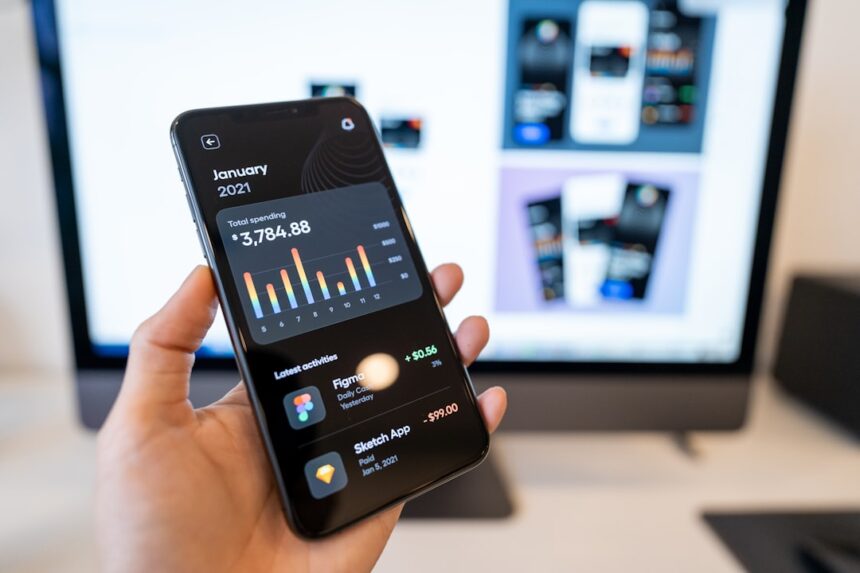
Digital health technologies offer distinct yet complementary mechanisms for supporting physical activity in cardiac patients. Wearable devices provide objective activity tracking without requiring active user engagement, capturing real-time movement data and physiological metrics that enable passive monitoring. Smartphone applications, conversely, facilitate goal-setting, personalised reminders, and interactive feedback—elements that enhance user engagement and motivation.
When deployed together, these modalities produce stronger behavioural effects than either approach used independently. Clinicians implementing cardiac rehabilitation programmes should consider the synergistic potential of combined digital strategies. Wearables serve as the objective measurement backbone, while apps provide the motivational interface and personalised coaching layer. This integrated framework addresses multiple dimensions of behaviour change—from self-awareness and accountability to goal clarity and adaptive support—making it a practical, evidence-based model for optimising adherence and reducing rehospitalisation risk in heart disease populations.
Read the full article on GMJ Newsroom.
Was this article helpful?