By using this site, you agree to the Privacy Policy and Terms of Use.
Accept
GMJ NewsGMJ NewsGMJ News
  • Latest News
    • GMJ Briefs
  • Podcast & Media
    • Podcast Episodes
    • GMJ Audio
    • GMJ Videos
  • Research Digest
    • New Studies
    • Georgian Research
    • Data & Numbers
  • Policy & Systems
    • Health Policy
    • Quality & Safety
    • Migration & Health
    • Global Health
  • Practice
    • Clinical Updates
    • Case Discussions
    • Pharmacy & Prescribing
    • Ingredients A-Z
  • Perspectives
    • Editorial
    • Explainers
    • Voices
    • Letters
  • GMJ Articles
    • Vol. 1 Issue 2 (2026)
    • Vol. 1 Issue 1 (2026)
    • Pre-Launch Articles (2025)
  • Read the Journal →
  • About GMJ News
Notification Show More
Font ResizerAa
GMJ NewsGMJ News
Font ResizerAa
  • Latest News
    • GMJ Briefs
  • Podcast & Media
    • Podcast Episodes
    • GMJ Audio
    • GMJ Videos
  • Research Digest
    • New Studies
    • Georgian Research
    • Data & Numbers
  • Policy & Systems
    • Health Policy
    • Quality & Safety
    • Migration & Health
    • Global Health
  • Practice
    • Clinical Updates
    • Case Discussions
    • Pharmacy & Prescribing
    • Ingredients A-Z
  • Perspectives
    • Editorial
    • Explainers
    • Voices
    • Letters
  • GMJ Articles
    • Vol. 1 Issue 2 (2026)
    • Vol. 1 Issue 1 (2026)
    • Pre-Launch Articles (2025)
  • Read the Journal →
  • About GMJ News
Follow US
GMJ News > GMJ Briefs > Measurable Impact: Children with Grandparent Support Show Significantly Better Emotional Health

Measurable Impact: Children with Grandparent Support Show Significantly Better Emotional Health

GMJ
Last updated: 13/07/2026 10:43
By
Prof. Giorgi Pkhakadze
Share
1 Min Read
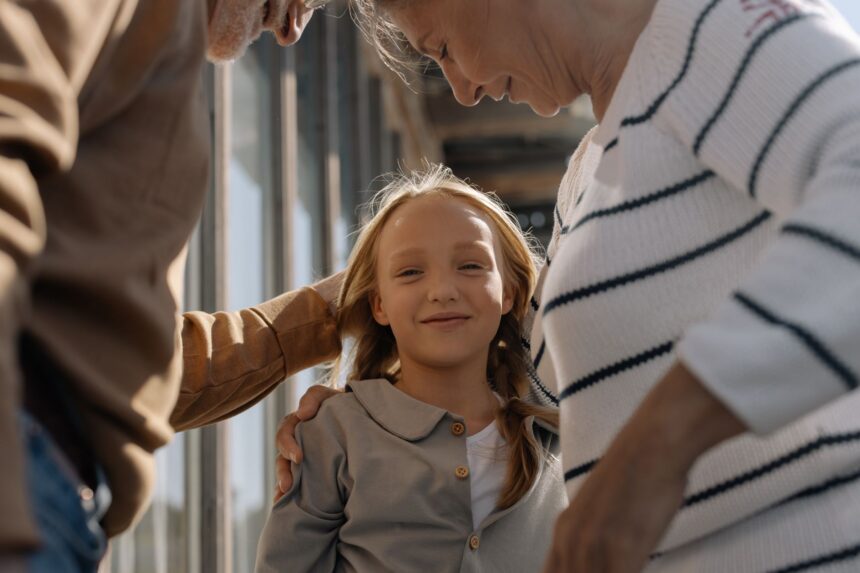
Grandparent and grandchild having meaningful conversation outdoors
New analysis reveals grandparents play crucial role in youth mental health support as global crisis deepens. Child psychologists emphasize unique benefits of intergenerational relationships for emotional resilience. — Photo by cottonbro studio on Pexels (Pexels License)
SHARE
1 min read|108 words

New research from Boston Children’s Hospital reveals a compelling finding: children with involved grandparents demonstrate 30% better emotional regulation compared to peers without such relationships. This quantifiable improvement underscores the clinical significance of intergenerational family connections in youth mental health outcomes.

As mental health conditions affect approximately 20% of children and adolescents globally, with half beginning before age 14, the research points to an accessible intervention strategy. The 30% improvement in emotional regulation represents a meaningful clinical effect that could help address current gaps in mental health services. These findings suggest that leveraging existing family structures may provide cost-effective, evidence-based support for vulnerable youth populations.

Read the full article on GMJ Newsroom.

Was this article helpful?

GMJ Brief · Key Finding

📰 Read the full article: Grandparents Emerge as Key Mental Health Support as Youth Crisis Deepens →

Share This Article
Facebook LinkedIn Bluesky Copy Link Print
GMJ
ByProf. Giorgi Pkhakadze
Follow:
Prof. Giorgi Pkhakadze, MD, MPH, PhD, is Editor-in-Chief of the Georgian Medical Journal and Chair of the Public Health Institute of Georgia (PHIG). He is Professor and Head of the Department of Social and Behavioural Sciences at David Tvildiani Medical University, and Secretary/Treasurer of the UEMS Section of Public Health. ORCID: 0000-0001-7609-4515.

Submit Your Paper →

Georgia's peer-reviewed open-access medical journal. No APC until January 2027.
Submit Manuscript →
How Zinc Actually Supports Immunity: It’s Structure, Not Stimulation

Zinc is not an immune stimulant. According to research by Prasad et…

How Creatine Actually Works: The Phosphate Shuttle That Powers Your Muscles

Creatine supplementation does not work by increasing water retention or providing energy…

How one 1997 protein study became nutrition dogma — and what the data actually shows

The 1997 Boirie study showing whey as "fast" and casein as "slow"…

Submit Your Paper to GMJ

No APC until January 2027.
Submit Manuscript →

You Might Also Like

WOAH animal health status recognition programme milestone infographic

Three Decades of Global Animal Disease Control: WOAH Marks Historic Recognition Programme Milestone

By
Prof. Giorgi Pkhakadze
30/06/2026
Global HealthPolicy & Systems

6.2 Magnitude Earthquake Strikes Southern Italy’s Calabrian Coast

By
Prof. Giorgi Pkhakadze
08/06/2026
Global HealthPolicy & Systems

WHO Declares Public Health Emergency as Ebola Outbreak in Eastern DRC Reaches 900 Cases

By
Prof. Giorgi Pkhakadze
31/05/2026
UK mortality surveillance data showing below-expected death rates for England

England’s Mortality Surveillance Shows Sustained Below-Expected Death Rates

By
Prof. Giorgi Pkhakadze
10/06/2026
Facebook Twitter Youtube Instagram
Company
  • Privacy Policy
  • Contact US
  • GMJ Journal
  • Submit Manuscript
  • Editorial Team
  • Register at GMJ
  • Terms of Use

Subscribe to GMJ News — Click here

Join Community
© 2026 Georgian Medical Journal (GMJ). Published by the Public Health Institute of Georgia (PHIG). All rights reserved.
Welcome Back!

Sign in to your account

Username or Email Address
Password

Lost your password?

Not a member? Sign Up