By using this site, you agree to the Privacy Policy and Terms of Use.
Accept
GMJ NewsGMJ NewsGMJ News
  • Latest News
    • GMJ Briefs
  • Podcast & Media
    • Podcast Episodes
    • GMJ Audio
    • GMJ Videos
  • Research Digest
    • New Studies
    • Georgian Research
    • Data & Numbers
  • Policy & Systems
    • Health Policy
    • Quality & Safety
    • Migration & Health
    • Global Health
  • Practice
    • Clinical Updates
    • Case Discussions
    • Pharmacy & Prescribing
    • Ingredients A-Z
  • Perspectives
    • Editorial
    • Explainers
    • Voices
    • Letters
  • GMJ Articles
    • Vol. 1 Issue 2 (2026)
    • Vol. 1 Issue 1 (2026)
    • Pre-Launch Articles (2025)
  • Read the Journal →
  • About GMJ News
Notification Show More
Font ResizerAa
GMJ NewsGMJ News
Font ResizerAa
  • Latest News
    • GMJ Briefs
  • Podcast & Media
    • Podcast Episodes
    • GMJ Audio
    • GMJ Videos
  • Research Digest
    • New Studies
    • Georgian Research
    • Data & Numbers
  • Policy & Systems
    • Health Policy
    • Quality & Safety
    • Migration & Health
    • Global Health
  • Practice
    • Clinical Updates
    • Case Discussions
    • Pharmacy & Prescribing
    • Ingredients A-Z
  • Perspectives
    • Editorial
    • Explainers
    • Voices
    • Letters
  • GMJ Articles
    • Vol. 1 Issue 2 (2026)
    • Vol. 1 Issue 1 (2026)
    • Pre-Launch Articles (2025)
  • Read the Journal →
  • About GMJ News
Follow US
GMJ News > GMJ Briefs > One Percent of Visceral Fat Loss Yields Decade-Long Insulin Improvements

One Percent of Visceral Fat Loss Yields Decade-Long Insulin Improvements

GMJ
Last updated: 16/07/2026 00:43
By
Prof. Giorgi Pkhakadze
Share
1 Min Read
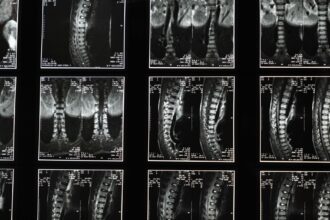
Medical illustration showing visceral fat around abdominal organs with research data overlay
Research shows visceral fat reduction creates lasting metabolic benefits that persist for a decade, reducing diabetes risk by 28% even after weight regain. Study challenges traditional weight loss approaches by demonstrating fat location matters more than total weight. — Photo by Towfiqu barbhuiya on Unsplash (Unsplash License)
SHARE
1 min read|130 words

A major epidemiological finding reveals the remarkable potency of visceral fat reduction: each 1% decrease in visceral fat correlates with measurable, sustained improvements in insulin sensitivity that persist for 10 years. This remarkable stability contrasts sharply with the fleeting benefits of other fat reductions, where liver fat loss showed only 4% diabetes risk reduction, pancreatic fat loss 2%, and subcutaneous fat loss essentially zero protection over the same period. The study’s 278 participants demonstrated that this metabolic advantage remained intact despite complete return to baseline body weight, suggesting a biological mechanism that preserves insulin function independent of total adiposity. These quantifiable long-term metabolic gains underscore visceral fat’s unique pathophysiological role in diabetes development and represent a paradigm shift in understanding how targeted fat loss drives persistent health benefits. Read the full article on GMJ Newsroom.

Was this article helpful?

GMJ Brief · Key Finding

📰 Read the full article: Visceral fat loss reduces diabetes risk by 28% even after weight regain, decade-long study shows →

Related reference
  • Insulin · Drug
  • SAMe · Ingredient
Share This Article
Facebook LinkedIn Bluesky Copy Link Print
GMJ
ByProf. Giorgi Pkhakadze
Follow:
Prof. Giorgi Pkhakadze, MD, MPH, PhD, is Editor-in-Chief of the Georgian Medical Journal and Chair of the Public Health Institute of Georgia (PHIG). He is Professor and Head of the Department of Social and Behavioural Sciences at David Tvildiani Medical University, and Secretary/Treasurer of the UEMS Section of Public Health. ORCID: 0000-0001-7609-4515.

Submit Your Paper →

Georgia's peer-reviewed open-access medical journal. No APC until January 2027.
Submit Manuscript →
How Your Immune System Works: A Guide to Its Specialized Cells and Functions

Your immune system is an organized network of specialized cells—dendritic cells, T…

Close Contact Alone May Not Drive Influenza Transmission, Controlled Study Suggests

A controlled human challenge–transmission study found that prolonged close contact with influenza-infected…

Carbohydrate Ingestion During Endurance Exercise: Meta-Analysis Shows Modest Glycogen Sparing Effect

A meta-analysis of 31 crossover trials reveals that carbohydrate ingestion during prolonged…

Submit Your Paper to GMJ

No APC until January 2027.
Submit Manuscript →

You Might Also Like

School building with vaccine safety information overlay showing scientific evidence

Takeaway: Pennsylvania Schools Distribute Debunked Vaccine Misinformation to Thousands of Parents

By
Prof. Giorgi Pkhakadze
18/07/2026
Healthcare worker examining child with stethoscope in primary care setting

What Healthcare Workers Need to Know About AI-Assisted Pneumonia Screening

By
Prof. Giorgi Pkhakadze
24/07/2026
Person practicing mindfulness meditation for emotional regulation in peaceful setting

Clinical Psychology Research Identifies Effective Emotional Regulation Strategies for Daily Mental Health

By
Prof. Giorgi Pkhakadze
13/07/2026
Medical illustration showing mitochondrial transplantation into nerve cells for pain relief

Duke Scientists Develop Mitochondrial Transplant Strategy to Combat Chronic Nerve Pain

By
Prof. Giorgi Pkhakadze
30/06/2026
Facebook Twitter Youtube Instagram
Company
  • Privacy Policy
  • Contact US
  • GMJ Journal
  • Submit Manuscript
  • Editorial Team
  • Register at GMJ
  • Terms of Use

Subscribe to GMJ News — Click here

Join Community
© 2026 Georgian Medical Journal (GMJ). Published by the Public Health Institute of Georgia (PHIG). All rights reserved.
Welcome Back!

Sign in to your account

Username or Email Address
Password

Lost your password?

Not a member? Sign Up