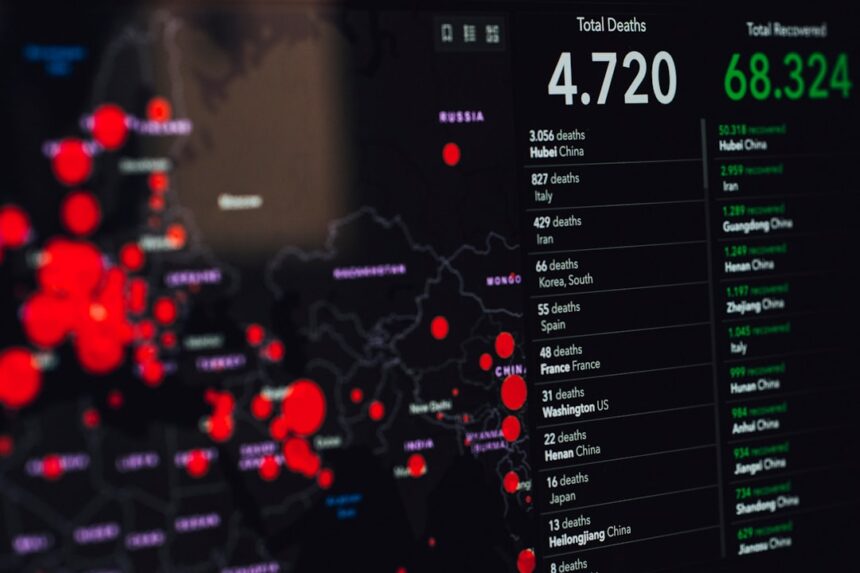
Recent restrictions on U.S. Centers for Disease Control and Prevention access to maternal health, influenza, and communicable disease datasets are creating critical gaps in disease surveillance capacity, according to researchers cited in new analysis. When academic institutions, local health departments, and community organizations cannot independently access these datasets, their ability to monitor disease trends, verify findings, and design targeted public health interventions becomes severely compromised.
The CDC collects some of the world’s most comprehensive population health data, yet limited researcher access prevents independent verification of outbreak trends and slows the speed of early detection. Experts warn that restrictive data governance practices risk reversing decades of progress in community-based epidemiological research and collaborative disease monitoring. Transparent data systems, they argue, are essential for maintaining institutional trust and ensuring effective pandemic preparedness across all levels of public health infrastructure.
Read the full article on GMJ Newsroom.
Was this article helpful?