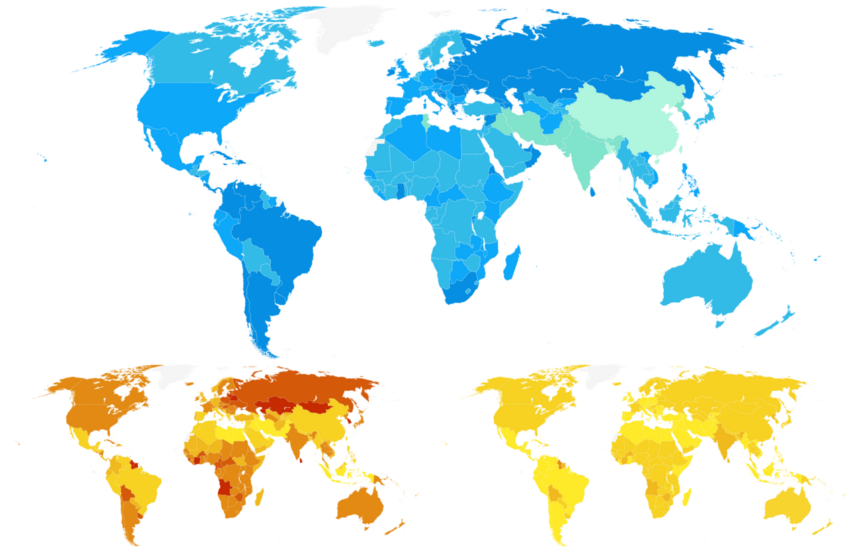
Men face significantly higher mortality rates before age 65 compared to women, yet evidence suggests many of these deaths could be prevented through targeted interventions. Research indicates that barriers to healthcare engagement, delayed diagnosis, and inadequate mental health support contribute substantially to this gender mortality gap. Cardiovascular disease, cancer, suicide, and accidental injury account for the majority of premature male deaths in high-income countries.
Public health experts identify three critical intervention points: redesigning primary care to improve men’s healthcare engagement, implementing workplace-based screening programs, and expanding mental health support tailored to male populations. Early detection combined with behavioral change strategies demonstrates measurable potential to reduce preventable mortality. Health systems worldwide are increasingly recognizing that addressing these structural and behavioral barriers requires coordinated action across clinical, occupational, and community settings.
Read the full article on GMJ Newsroom.
Was this article helpful?