By using this site, you agree to the Privacy Policy and Terms of Use.
Accept
GMJ NewsGMJ NewsGMJ News
  • Latest News
    • GMJ Briefs
  • Podcast & Media
    • Podcast Episodes
    • GMJ Audio
    • GMJ Videos
  • Research Digest
    • New Studies
    • Georgian Research
    • Data & Numbers
  • Policy & Systems
    • Health Policy
    • Quality & Safety
    • Migration & Health
    • Global Health
  • Practice
    • Clinical Updates
    • Case Discussions
    • Pharmacy & Prescribing
    • Ingredients A-Z
  • Perspectives
    • Editorial
    • Explainers
    • Voices
    • Letters
  • GMJ Articles
    • Vol. 1 Issue 2 (2026)
    • Vol. 1 Issue 1 (2026)
    • Pre-Launch Articles (2025)
  • Read the Journal →
  • About GMJ News
Notification Show More
Font ResizerAa
GMJ NewsGMJ News
Font ResizerAa
  • Latest News
    • GMJ Briefs
  • Podcast & Media
    • Podcast Episodes
    • GMJ Audio
    • GMJ Videos
  • Research Digest
    • New Studies
    • Georgian Research
    • Data & Numbers
  • Policy & Systems
    • Health Policy
    • Quality & Safety
    • Migration & Health
    • Global Health
  • Practice
    • Clinical Updates
    • Case Discussions
    • Pharmacy & Prescribing
    • Ingredients A-Z
  • Perspectives
    • Editorial
    • Explainers
    • Voices
    • Letters
  • GMJ Articles
    • Vol. 1 Issue 2 (2026)
    • Vol. 1 Issue 1 (2026)
    • Pre-Launch Articles (2025)
  • Read the Journal →
  • About GMJ News
Follow US
GMJ News > GMJ Briefs > Quarterly Collaboration: SAHPRA’s Structured Engagement Framework Shows Measurable Impact

Quarterly Collaboration: SAHPRA’s Structured Engagement Framework Shows Measurable Impact

GMJ
Last updated: 19/07/2026 08:43
By
Prof. Giorgi Pkhakadze
Share
1 Min Read
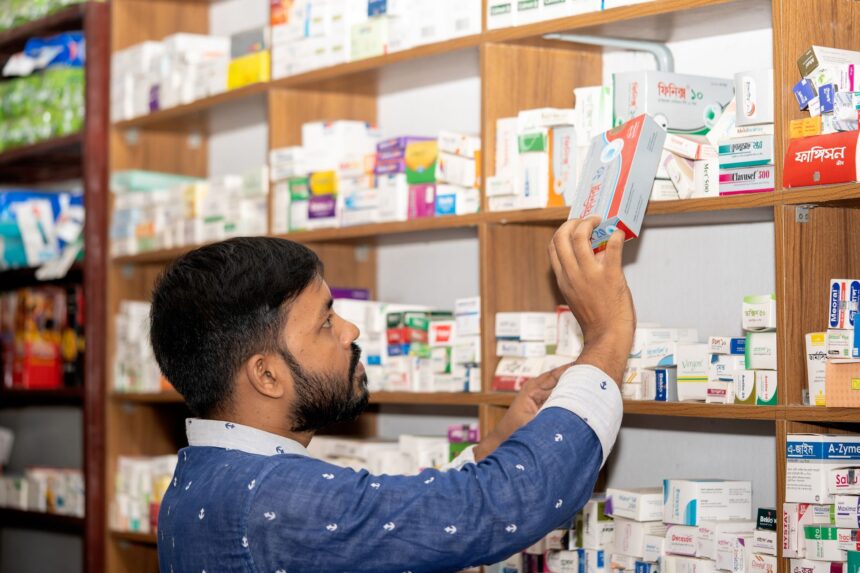
SAHPRA building with pharmaceutical industry collaboration meeting
SAHPRA implements quarterly stakeholder engagement sessions with pharmaceutical industry leaders to streamline regulatory processes and improve patient access to essential medicines. The collaborative approach aims to balance safety standards with regulatory efficiency. — Photo by Abdul batin on Pexels (Pexels License)
SHARE
1 min read|135 words

SAHPRA maintains a consistent four-times-yearly meeting schedule with pharmaceutical industry leaders—a structured cadence designed to ensure regular dialogue and sustained momentum on regulatory improvements. This frequency reflects a deliberate commitment to continuous stakeholder engagement rather than ad-hoc interactions.

Since implementing this systematic approach, SAHPRA has engaged with 12 key pharmaceutical stakeholders to address critical regulatory challenges. The quarterly format enables predictable touchpoints where industry representatives and regulators can collaboratively troubleshoot submission processes, clarify requirements, and identify solutions to approval delays. This data-driven engagement model has become a benchmark for regulatory collaboration in emerging markets, demonstrating that consistent, structured communication can meaningfully reduce bottlenecks without compromising safety oversight.

The 2026 programme year marks a pivotal moment in South African pharmaceutical regulation, showing measurable progress toward balancing efficiency with patient safety. Read the full article on GMJ Newsroom.

Was this article helpful?

GMJ Brief · Key Finding

📰 Read the full article: South Africa’s drug regulator strengthens industry partnerships to improve medicine access →

Share This Article
Facebook LinkedIn Bluesky Copy Link Print
GMJ
ByProf. Giorgi Pkhakadze
Follow:
Prof. Giorgi Pkhakadze, MD, MPH, PhD, is Editor-in-Chief of the Georgian Medical Journal and Chair of the Public Health Institute of Georgia (PHIG). He is Professor and Head of the Department of Social and Behavioural Sciences at David Tvildiani Medical University, and Secretary/Treasurer of the UEMS Section of Public Health. ORCID: 0000-0001-7609-4515.

Submit Your Paper →

Georgia's peer-reviewed open-access medical journal. No APC until January 2027.
Submit Manuscript →
Astrocytes Reshape Understanding of Brain Control: Beyond Neurons to Cellular Regulation

Astrocytes, comprising roughly 50% of brain cells, are now recognised as active…

How the immune system learns to remember threats: the science of innate and adaptive immunity

The immune system operates in two coordinated layers: an immediate innate response…

How Brain Chemistry Shapes Mood, Sleep, and Focus: A Guide to Neurotransmitters

Neurotransmitters—chemical messengers between brain cells—regulate mood, sleep, motivation, and cognitive focus. Understanding…

Submit Your Paper to GMJ

No APC until January 2027.
Submit Manuscript →

You Might Also Like

Diagram of glycine thermoregulatory pathway: NMDA receptor → suprachiasmatic nucleus → medial preoptic area → peripheral vasodilation → core temperature drop

Beyond Sedation: How Glycine Activates Your Brain’s Natural Sleep Switch

By
Prof. Giorgi Pkhakadze
28/07/2026
Brain tissue analysis showing microglial patterns around amyloid plaques in Alzheimer's disease

What Centenarians Can Teach Us About Preventing Dementia

By
Prof. Giorgi Pkhakadze
03/08/2026
Map showing geographic distribution of measles cases and vaccination coverage in South Carolina

Geographic Disparities in Vaccination Rates Drive Measles Clustering Across South Carolina

By
Prof. Giorgi Pkhakadze
31/05/2026
Children laughing during therapeutic play session showing brain development benefits

Study Reports 94% Stress Reduction in Children Using Laughter-Based Interventions

By
Prof. Giorgi Pkhakadze
11/06/2026
Facebook Twitter Youtube Instagram
Company
  • Privacy Policy
  • Contact US
  • GMJ Journal
  • Submit Manuscript
  • Editorial Team
  • Register at GMJ
  • Terms of Use

Subscribe to GMJ News — Click here

Join Community
© 2026 Georgian Medical Journal (GMJ). Published by the Public Health Institute of Georgia (PHIG). All rights reserved.
Welcome Back!

Sign in to your account

Username or Email Address
Password

Lost your password?

Not a member? Sign Up