By using this site, you agree to the Privacy Policy and Terms of Use.
Accept
GMJ NewsGMJ NewsGMJ News
  • Latest News
    • GMJ Briefs
  • Podcast & Media
    • Podcast Episodes
    • GMJ Audio
    • GMJ Videos
  • Research Digest
    • New Studies
    • Georgian Research
    • Data & Numbers
  • Policy & Systems
    • Health Policy
    • Quality & Safety
    • Migration & Health
    • Global Health
  • Practice
    • Clinical Updates
    • Case Discussions
    • Pharmacy & Prescribing
    • Ingredients A-Z
  • Perspectives
    • Editorial
    • Explainers
    • Voices
    • Letters
  • GMJ Articles
    • Vol. 1 Issue 2 (2026)
    • Vol. 1 Issue 1 (2026)
    • Pre-Launch Articles (2025)
  • Read the Journal →
  • About GMJ News
Notification Show More
Font ResizerAa
GMJ NewsGMJ News
Font ResizerAa
  • Latest News
    • GMJ Briefs
  • Podcast & Media
    • Podcast Episodes
    • GMJ Audio
    • GMJ Videos
  • Research Digest
    • New Studies
    • Georgian Research
    • Data & Numbers
  • Policy & Systems
    • Health Policy
    • Quality & Safety
    • Migration & Health
    • Global Health
  • Practice
    • Clinical Updates
    • Case Discussions
    • Pharmacy & Prescribing
    • Ingredients A-Z
  • Perspectives
    • Editorial
    • Explainers
    • Voices
    • Letters
  • GMJ Articles
    • Vol. 1 Issue 2 (2026)
    • Vol. 1 Issue 1 (2026)
    • Pre-Launch Articles (2025)
  • Read the Journal →
  • About GMJ News
Follow US
GMJ News > GMJ Briefs > Seven Million Lives Saved: How Therapeutic Food Became a Global Child Health Game-Changer

Seven Million Lives Saved: How Therapeutic Food Became a Global Child Health Game-Changer

GMJ
Last updated: 15/07/2026 00:06
By
Prof. Giorgi Pkhakadze
Share
1 Min Read
Infographic showing global malnutrition treatment statistics and RUTF access gaps
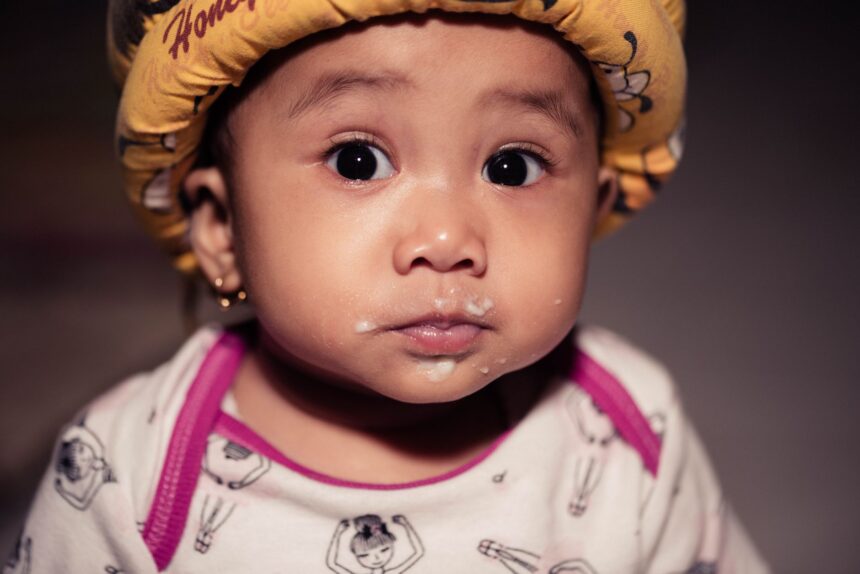
UNICEF analysis reveals therapeutic food has saved 7 million children over 30 years, but 45 million still need treatment. Only 5 million currently receive this life-saving intervention, creating an 89% treatment gap. — Photo by Tri Warno on Pexels (Pexels License)
SHARE
1 min read|125 words

Ready-to-use therapeutic food (RUTF) has achieved a remarkable milestone: saving an estimated 7 million children’s lives over three decades. This nutrient-dense paste, containing peanuts, milk powder, oil, and essential vitamins, revolutionized treatment for severe acute malnutrition by enabling home-based care in resource-limited settings.

Yet this success story carries an urgent caveat. According to UNICEF’s 2024 analysis, 45 million children under five currently require RUTF treatment, but only 5 million receive it—representing an 89% treatment gap. Supply chain disruptions, limited healthcare infrastructure, and concentrated crises in sub-Saharan Africa and South Asia continue to prevent millions of vulnerable children from accessing this life-saving intervention.

The treatment disparity underscores a critical challenge in global health equity: proven solutions exist, but delivering them to the world’s most vulnerable populations remains a pressing priority.

Was this article helpful?
GMJ Brief · Announcement

📰 Read the full article: Therapeutic Food Saves 7 Million Children in 30 Years, Yet 45 Million Still Lack Access →

Share This Article
Facebook LinkedIn Bluesky Copy Link Print
GMJ
ByProf. Giorgi Pkhakadze
Follow:
Prof. Giorgi Pkhakadze, MD, MPH, PhD, is Editor-in-Chief of the Georgian Medical Journal and Chair of the Public Health Institute of Georgia (PHIG). He is Professor and Head of the Department of Social and Behavioural Sciences at David Tvildiani Medical University, and Secretary/Treasurer of the UEMS Section of Public Health. ORCID: 0000-0001-7609-4515.

Submit Your Paper →

Georgia's peer-reviewed open-access medical journal. No APC until January 2027.
Submit Manuscript →
Iron, Folate, and B12: The Three Nutrients Your Blood Cannot Live Without

Red blood cells depend on three essential nutrients—iron, folate, and vitamin B12—to…

Why Coffee Affects Everyone Differently: The Science of Caffeine Metabolism

Caffeine metabolism is governed by liver enzymes, genetics, and lifestyle factors, explaining…

PQQ Shows Consistent Benefits for Inflammation, Energy, and Memory in Human Trials

Pyrroloquinoline quinone (PQQ), a naturally occurring micronutrient, shows consistent improvements in inflammatory…

Submit Your Paper to GMJ

No APC until January 2027.
Submit Manuscript →

You Might Also Like

Scientific illustration showing air pollution particles affecting brain and lung health

UK Research Uncovers Rapid Neurological Response to Air Pollution Exposure

By
Prof. Giorgi Pkhakadze
03/06/2026
Medical illustration showing cardiac patch therapy on damaged heart tissue

What You Need to Know About Cardiac Patch Therapy: Three Key Advances Reshaping Heart Repair

By
Prof. Giorgi Pkhakadze
28/06/2026

EBOLA OUTBREAK – DRC/UGANDA CROSS-BORDER TRANSMISSION WITH PHEIC DECLARATION

By
Prof. Giorgi Pkhakadze
31/05/2026

EBOLA OUTBREAK – DRC/UGANDA CROSS-BORDER TRANSMISSION – PHEIC DECLARED

By
Prof. Giorgi Pkhakadze
31/05/2026
Facebook Twitter Youtube Instagram
Company
  • Privacy Policy
  • Contact US
  • GMJ Journal
  • Submit Manuscript
  • Editorial Team
  • Register at GMJ
  • Terms of Use

Subscribe to GMJ News — Click here

Join Community
© 2026 Georgian Medical Journal (GMJ). Published by the Public Health Institute of Georgia (PHIG). All rights reserved.
Welcome Back!

Sign in to your account

Username or Email Address
Password

Lost your password?

Not a member? Sign Up