By using this site, you agree to the Privacy Policy and Terms of Use.
Accept
GMJ NewsGMJ NewsGMJ News
  • Latest News
    • GMJ Briefs
  • Podcast & Media
    • Podcast Episodes
    • GMJ Audio
    • GMJ Videos
  • Research Digest
    • New Studies
    • Georgian Research
    • Data & Numbers
  • Policy & Systems
    • Health Policy
    • Quality & Safety
    • Migration & Health
    • Global Health
  • Practice
    • Clinical Updates
    • Case Discussions
    • Pharmacy & Prescribing
    • Ingredients A-Z
  • Perspectives
    • Editorial
    • Explainers
    • Voices
    • Letters
  • GMJ Articles
    • Vol. 1 Issue 2 (2026)
    • Vol. 1 Issue 1 (2026)
    • Pre-Launch Articles (2025)
  • Read the Journal →
  • About GMJ News
Notification Show More
Font ResizerAa
GMJ NewsGMJ News
Font ResizerAa
  • Latest News
    • GMJ Briefs
  • Podcast & Media
    • Podcast Episodes
    • GMJ Audio
    • GMJ Videos
  • Research Digest
    • New Studies
    • Georgian Research
    • Data & Numbers
  • Policy & Systems
    • Health Policy
    • Quality & Safety
    • Migration & Health
    • Global Health
  • Practice
    • Clinical Updates
    • Case Discussions
    • Pharmacy & Prescribing
    • Ingredients A-Z
  • Perspectives
    • Editorial
    • Explainers
    • Voices
    • Letters
  • GMJ Articles
    • Vol. 1 Issue 2 (2026)
    • Vol. 1 Issue 1 (2026)
    • Pre-Launch Articles (2025)
  • Read the Journal →
  • About GMJ News
Follow US
GMJ News > GMJ Briefs > Spinal Strokes in Children: Rarity and Clinical Significance

Spinal Strokes in Children: Rarity and Clinical Significance

GMJ
Last updated: 03/07/2026 00:26
By
Prof. Giorgi Pkhakadze
Share
1 Min Read
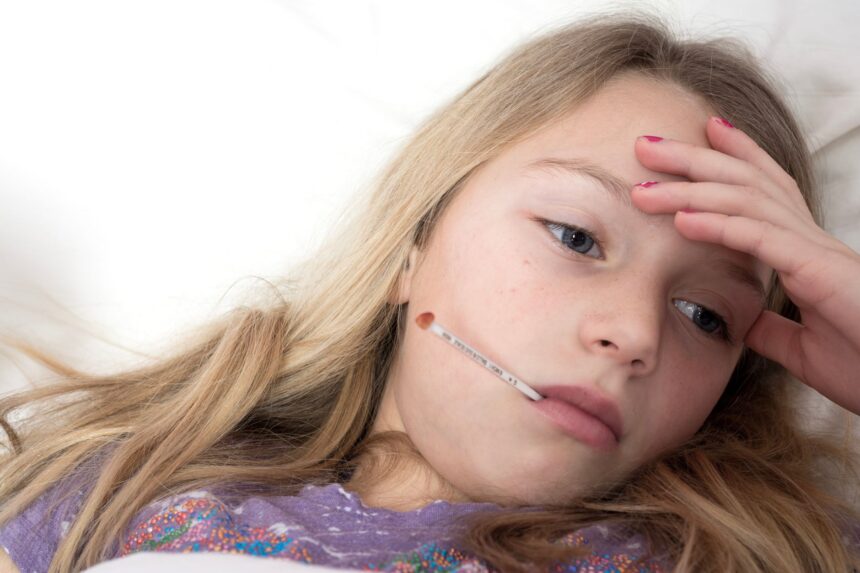
Medical illustration showing spinal cord anatomy and stroke location in adolescent patient
A 14-year-old girl has been hospitalised for over 158 days after developing a rare spinal stroke following flu infection. The case highlights the potential for severe neurological complications in previously healthy adolescents. — Photo by Jason Deines on Pexels (Pexels License)
SHARE
1 min read|130 words

Spinal strokes represent one of paediatric medicine’s most uncommon neurological emergencies, affecting fewer than 0.2 per 100,000 children annually according to American Heart Association stroke statistics. This dramatic contrast with adult populations—where incidence reaches 2.3 per 100,000 in those aged 65 and older—reflects the generally protective vascular physiology of younger patients.

A recent case involving a 14-year-old girl hospitalised for over 158 days following a post-influenza spinal stroke demonstrates that even this exceptionally rare condition can strike previously healthy children. Research in the Journal of Child Neurology suggests viral infections can precipitate inflammatory vasculitis affecting spinal blood vessels. While the low population incidence may provide reassurance, clinicians must remain vigilant for sudden neurological deterioration in paediatric patients recovering from viral illnesses, as early recognition significantly influences outcomes.

Read the full article on GMJ Newsroom.

Was this article helpful?

GMJ Brief · Key Finding

📰 Read the full article: 14-Year-Old Girl Develops Rare Spinal Stroke After Flu Infection, Highlighting Serious Neurological Complications →

Related reference
  • Stroke · Condition
Share This Article
Facebook LinkedIn Bluesky Copy Link Print
GMJ
ByProf. Giorgi Pkhakadze
Follow:
Prof. Giorgi Pkhakadze, MD, MPH, PhD, is Editor-in-Chief of the Georgian Medical Journal and Chair of the Public Health Institute of Georgia (PHIG). He is Professor and Head of the Department of Social and Behavioural Sciences at David Tvildiani Medical University, and Secretary/Treasurer of the UEMS Section of Public Health. ORCID: 0000-0001-7609-4515.

Submit Your Paper →

Georgia's peer-reviewed open-access medical journal. No APC until January 2027.
Submit Manuscript →
Orforglipron Shows Clinically Significant HbA1c Reductions in Type 2 Diabetes

Two phase III randomised controlled trials presented at the American Diabetes Association…

Plasma protein signatures reveal how individual cell types age and predict disease risk

Plasma proteomics can measure biological aging independently in 40+ cell types, with…

Bidi Smoking Linked to Elevated Cancer Risk in Large Indian Study

A multicentre case-control study in India links bidi smoking—hand-rolled cigarettes common in…

Submit Your Paper to GMJ

No APC until January 2027.
Submit Manuscript →

You Might Also Like

Chart showing Amish population growth projection from 400,000 to 2 million by 2075

Amish Population Set to Quintuple by 2075: Public Health Data Shows Growing Risk

By
Prof. Giorgi Pkhakadze
27/06/2026
Healthcare professionals working in a hospital corridor in Tbilisi, illustrating the importance of protecting and supporting the health workforce.

Health Worker Safety: The Cornerstone Investment Georgia’s Healthcare System Cannot Ignore

By
Prof. Giorgi Pkhakadze
18/06/2026

SITUATION BRIEF: Ebola Cross-Border Transmission DRC-Uganda, PHEIC Declared

By
Prof. Giorgi Pkhakadze
31/05/2026
Healthcare providers attending to pregnant women in clinical setting

Three Critical Lessons From Maternal Healthcare Study: Moving Beyond Coverage Metrics

By
Prof. Giorgi Pkhakadze
08/07/2026
Facebook Twitter Youtube Instagram
Company
  • Privacy Policy
  • Contact US
  • GMJ Journal
  • Submit Manuscript
  • Editorial Team
  • Register at GMJ
  • Terms of Use

Subscribe to GMJ News — Click here

Join Community
© 2026 Georgian Medical Journal (GMJ). Published by the Public Health Institute of Georgia (PHIG). All rights reserved.
Welcome Back!

Sign in to your account

Username or Email Address
Password

Lost your password?

Not a member? Sign Up