By using this site, you agree to the Privacy Policy and Terms of Use.
Accept
GMJ NewsGMJ NewsGMJ News
  • Latest News
    • GMJ Briefs
  • Podcast & Media
    • Podcast Episodes
    • GMJ Audio
    • GMJ Videos
  • Research Digest
    • New Studies
    • Georgian Research
    • Data & Numbers
  • Policy & Systems
    • Health Policy
    • Quality & Safety
    • Migration & Health
    • Global Health
  • Practice
    • Clinical Updates
    • Case Discussions
    • Pharmacy & Prescribing
    • Ingredients A-Z
  • Perspectives
    • Editorial
    • Explainers
    • Voices
    • Letters
  • GMJ Articles
    • Vol. 1 Issue 2 (2026)
    • Vol. 1 Issue 1 (2026)
    • Pre-Launch Articles (2025)
  • Read the Journal →
  • About GMJ News
Notification Show More
Font ResizerAa
GMJ NewsGMJ News
Font ResizerAa
  • Latest News
    • GMJ Briefs
  • Podcast & Media
    • Podcast Episodes
    • GMJ Audio
    • GMJ Videos
  • Research Digest
    • New Studies
    • Georgian Research
    • Data & Numbers
  • Policy & Systems
    • Health Policy
    • Quality & Safety
    • Migration & Health
    • Global Health
  • Practice
    • Clinical Updates
    • Case Discussions
    • Pharmacy & Prescribing
    • Ingredients A-Z
  • Perspectives
    • Editorial
    • Explainers
    • Voices
    • Letters
  • GMJ Articles
    • Vol. 1 Issue 2 (2026)
    • Vol. 1 Issue 1 (2026)
    • Pre-Launch Articles (2025)
  • Read the Journal →
  • About GMJ News
Follow US
GMJ News > GMJ Briefs > Structured Group Care Model Transforms Prenatal Engagement in Sub-Saharan Africa

Structured Group Care Model Transforms Prenatal Engagement in Sub-Saharan Africa

GMJ
Last updated: 17/07/2026 22:52
By
Prof. Giorgi Pkhakadze
Share
1 Min Read
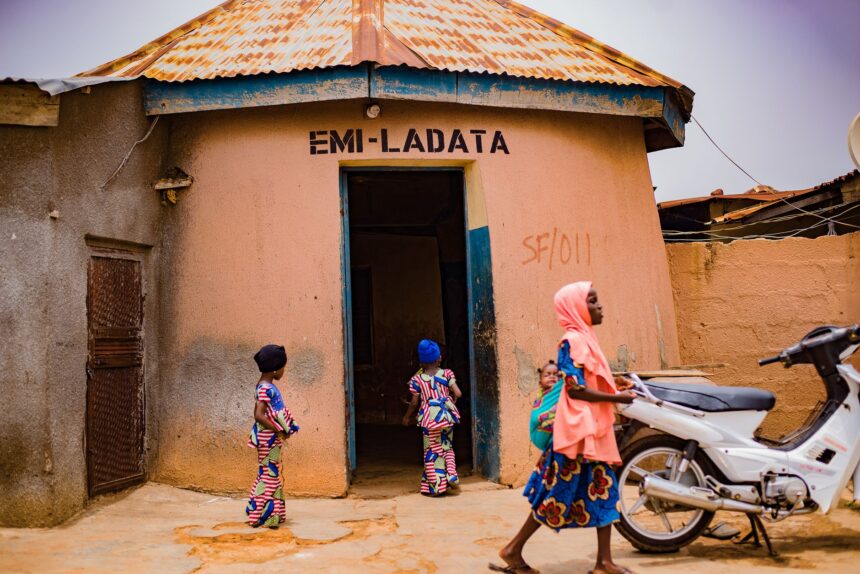
Infographic showing pooled risk ratios for group antenatal care outcomes in sub-Saharan Africa
A systematic review of 34 studies involving 42,234 women in sub-Saharan Africa found that group antenatal care increases prenatal visit attendance by 45% and postpartum family planning uptake by 85%, with improvements in birth weight outcomes and health literacy. However, evidence for reducing perinatal mortality remains limited. — Photo by Abubakar Ogaji on Pexels (Pexels License)
SHARE
1 min read|135 words

Group antenatal care, which integrates medical examinations with community-based health education, is reshaping maternal health outcomes across sub-Saharan Africa. A comprehensive systematic review analyzing 42,234 women across 34 studies, published in BMJ Global Health, demonstrates that this approach significantly enhances prenatal visit completion and postpartum care engagement. Women receiving group-based care were 45% more likely to complete four or more antenatal visits compared to standard individual care models. Beyond attendance metrics, the intervention yielded substantial improvements in postpartum family planning uptake—rising by 85%—alongside documented gains in birth weight outcomes and health literacy. Participants also reported enhanced psychosocial wellbeing and high satisfaction with the group format. These findings underscore the effectiveness of combining clinical care with structured education in resource-limited settings, offering a scalable, evidence-based model for strengthening maternal health systems. Read the full article on GMJ Newsroom.

Was this article helpful?

GMJ Brief · Announcement

📰 Read the full article: Group antenatal care increases attendance and improves outcomes in sub-Saharan Africa, systematic review finds →

Share This Article
Facebook LinkedIn Bluesky Copy Link Print
GMJ
ByProf. Giorgi Pkhakadze
Follow:
Prof. Giorgi Pkhakadze, MD, MPH, PhD, is Editor-in-Chief of the Georgian Medical Journal and Chair of the Public Health Institute of Georgia (PHIG). He is Professor and Head of the Department of Social and Behavioural Sciences at David Tvildiani Medical University, and Secretary/Treasurer of the UEMS Section of Public Health. ORCID: 0000-0001-7609-4515.

Submit Your Paper →

Georgia's peer-reviewed open-access medical journal. No APC until January 2027.
Submit Manuscript →
How Essential Minerals Keep Your Body Running: A Systems-Level View

Essential minerals regulate over 300 biochemical pathways in the human body, from…

The B12-Folate Trap: How Vitamin Deficiency Blocks DNA Synthesis Despite Adequate Folate Intake

Vitamin B12 deficiency traps folate in a metabolically inactive form, creating functional…

Fish Oil Absorption Varies Dramatically by Supplement Form and Meal Composition, Research Shows

Fish oil supplement absorption varies from 20% to 90% depending on whether…

Submit Your Paper to GMJ

No APC until January 2027.
Submit Manuscript →

You Might Also Like

Global HealthPolicy & Systems

WHO Declares International Emergency as Ebola Outbreak Spreads from DRC to Uganda

By
Prof. Giorgi Pkhakadze
31/05/2026
Infographic showing PCOS prevalence rates across different global regions with medical terminology discussion

What Patients and Providers Need to Know About the PCOS Terminology Reform Movement

By
Prof. Giorgi Pkhakadze
09/07/2026
Medical illustration showing T-cell lymphoma development in immunosuppressed transplant patient

New Case Report Highlights Overlooked Cancer Risk in Transplant Patients

By
Prof. Giorgi Pkhakadze
09/07/2026
Brain scan showing appetite control regions affected by childhood junk food consumption

What Healthcare Providers Should Know About Childhood Diet and Brain Development

By
Prof. Giorgi Pkhakadze
26/06/2026
Facebook Twitter Youtube Instagram
Company
  • Privacy Policy
  • Contact US
  • GMJ Journal
  • Submit Manuscript
  • Editorial Team
  • Register at GMJ
  • Terms of Use

Subscribe to GMJ News — Click here

Join Community
© 2026 Georgian Medical Journal (GMJ). Published by the Public Health Institute of Georgia (PHIG). All rights reserved.
Welcome Back!

Sign in to your account

Username or Email Address
Password

Lost your password?

Not a member? Sign Up