By using this site, you agree to the Privacy Policy and Terms of Use.
Accept
GMJ NewsGMJ NewsGMJ News
  • Latest News
    • GMJ Briefs
  • Podcast & Media
    • Podcast Episodes
    • GMJ Audio
    • GMJ Videos
  • Research Digest
    • New Studies
    • Georgian Research
    • Data & Numbers
  • Policy & Systems
    • Health Policy
    • Quality & Safety
    • Migration & Health
    • Global Health
  • Practice
    • Clinical Updates
    • Case Discussions
    • Pharmacy & Prescribing
    • Ingredients A-Z
  • Perspectives
    • Editorial
    • Explainers
    • Voices
    • Letters
  • GMJ Articles
    • Vol. 1 Issue 2 (2026)
    • Vol. 1 Issue 1 (2026)
    • Pre-Launch Articles (2025)
  • Read the Journal →
  • About GMJ News
Notification Show More
Font ResizerAa
GMJ NewsGMJ News
Font ResizerAa
  • Latest News
    • GMJ Briefs
  • Podcast & Media
    • Podcast Episodes
    • GMJ Audio
    • GMJ Videos
  • Research Digest
    • New Studies
    • Georgian Research
    • Data & Numbers
  • Policy & Systems
    • Health Policy
    • Quality & Safety
    • Migration & Health
    • Global Health
  • Practice
    • Clinical Updates
    • Case Discussions
    • Pharmacy & Prescribing
    • Ingredients A-Z
  • Perspectives
    • Editorial
    • Explainers
    • Voices
    • Letters
  • GMJ Articles
    • Vol. 1 Issue 2 (2026)
    • Vol. 1 Issue 1 (2026)
    • Pre-Launch Articles (2025)
  • Read the Journal →
  • About GMJ News
Follow US
GMJ News > GMJ Briefs > The 80-Fold Concentration: How Neutrophils Harness Vitamin C for Pathogen Defense

The 80-Fold Concentration: How Neutrophils Harness Vitamin C for Pathogen Defense

GMJ
Last updated: 10/06/2026 12:01
By
Prof. Giorgi Pkhakadze
Share
1 Min Read
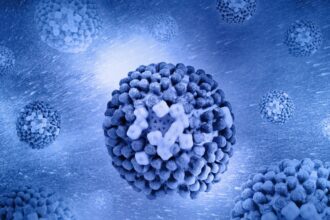
Scientific diagram showing neutrophil vitamin C concentration and immune cell function
New research reveals vitamin C doesn't boost immunity but refuels immune cells after they destroy pathogens. Neutrophils concentrate vitamin C at 80 times plasma levels to maintain killing capacity. — Photo: Gundula Vogel / Pexels
SHARE
1 min read|139 words

A striking quantitative finding from recent immunology research demonstrates the remarkable efficiency of neutrophil vitamin C metabolism. Neutrophils actively concentrate vitamin C at levels 80 times higher than circulating plasma concentrations, according to research by Carr and Maggini published in Nutrients.

This dramatic concentration gradient is achieved through energy-dependent transport mechanisms that selectively pump vitamin C across cell membranes. The accumulated vitamin C maintains the antioxidant environment necessary for neutrophils to sustain their pathogen-destroying oxidative bursts. In healthy adults, plasma saturation occurs at approximately 200 milligrams daily—the threshold at which neutrophil reservoirs reach optimal capacity.

Under conditions of physiological stress, including infection, surgery, or intense physical exertion, daily requirements escalate significantly to 300-1,000 milligrams. This data-driven understanding of vitamin C kinetics explains the variable clinical outcomes observed in supplementation studies across different populations.

Read the full article on GMJ Newsroom.

Submit Your Paper
GMJ_Submit_Banner

Was this article helpful?

GMJ Brief · Key Finding

📰 Read the full article: Vitamin C Refuels Immune Cells Rather Than Boosting Immunity, Study Shows →

Related reference
  • Vitamin C · Ingredient
  • Iron · Ingredient
Share This Article
Facebook LinkedIn Bluesky Copy Link Print
GMJ
ByProf. Giorgi Pkhakadze
Follow:
Prof. Giorgi Pkhakadze, MD, MPH, PhD, is Editor-in-Chief of the Georgian Medical Journal and Chair of the Public Health Institute of Georgia (PHIG). He is Professor and Head of the Department of Social and Behavioural Sciences at David Tvildiani Medical University, and Secretary/Treasurer of the UEMS Section of Public Health. ORCID: 0000-0001-7609-4515.

Submit Your Paper →

Georgia's peer-reviewed open-access medical journal. No APC until January 2027.
Submit Manuscript →
Prenatal Iodine Deficiency Linked to Lower Verbal Intelligence in Adolescence, UK Study Finds

A 15-year UK cohort study shows that severe prenatal iodine deficiency is…

How Your Brain Cleans Itself: The Glymphatic System Explained

Your brain operates a continuous waste-removal system called the glymphatic system, which…

Iron, folate, and B12: the three nutrients that build your blood

Iron, folate, and vitamin B12 form an integrated physiological network essential for…

Submit Your Paper to GMJ

No APC until January 2027.
Submit Manuscript →

You Might Also Like

Bar chart showing migration policy implementation progress across healthcare domains 2018-2026

Political Will, Not Capacity: COVID-19 Reveals the True Barrier to Migrant Health Integration

By
Prof. Giorgi Pkhakadze
20/07/2026
Biotech AI model development from clinical trial data visualization

From Setback to Solution: How Biotech is Mining Failed Trials for AI Breakthroughs

By
Prof. Giorgi Pkhakadze
16/07/2026

PHEIC Declaration: Cross-Border Ebola Transmission DRC-Uganda

By
Prof. Giorgi Pkhakadze
31/05/2026
Scientific diagram showing bacterial fermentation of fiber into butyrate in the colon

Three Essential Insights About Fiber and Your Gut Bacteria

By
Prof. Giorgi Pkhakadze
27/06/2026
Facebook Twitter Youtube Instagram
Company
  • Privacy Policy
  • Contact US
  • GMJ Journal
  • Submit Manuscript
  • Editorial Team
  • Register at GMJ
  • Terms of Use

Subscribe to GMJ News — Click here

Join Community
© 2026 Georgian Medical Journal (GMJ). Published by the Public Health Institute of Georgia (PHIG). All rights reserved.
Welcome Back!

Sign in to your account

Username or Email Address
Password

Lost your password?

Not a member? Sign Up