By using this site, you agree to the Privacy Policy and Terms of Use.
Accept
GMJ NewsGMJ NewsGMJ News
  • Latest News
    • GMJ Briefs
  • Podcast & Media
    • Podcast Episodes
    • GMJ Audio
    • GMJ Videos
  • Research Digest
    • New Studies
    • Georgian Research
    • Data & Numbers
  • Policy & Systems
    • Health Policy
    • Quality & Safety
    • Migration & Health
    • Global Health
  • Practice
    • Clinical Updates
    • Case Discussions
    • Pharmacy & Prescribing
    • Ingredients A-Z
  • Perspectives
    • Editorial
    • Explainers
    • Voices
    • Letters
  • GMJ Articles
    • Vol. 1 Issue 2 (2026)
    • Vol. 1 Issue 1 (2026)
    • Pre-Launch Articles (2025)
  • Read the Journal →
  • About GMJ News
Notification Show More
Font ResizerAa
GMJ NewsGMJ News
Font ResizerAa
  • Latest News
    • GMJ Briefs
  • Podcast & Media
    • Podcast Episodes
    • GMJ Audio
    • GMJ Videos
  • Research Digest
    • New Studies
    • Georgian Research
    • Data & Numbers
  • Policy & Systems
    • Health Policy
    • Quality & Safety
    • Migration & Health
    • Global Health
  • Practice
    • Clinical Updates
    • Case Discussions
    • Pharmacy & Prescribing
    • Ingredients A-Z
  • Perspectives
    • Editorial
    • Explainers
    • Voices
    • Letters
  • GMJ Articles
    • Vol. 1 Issue 2 (2026)
    • Vol. 1 Issue 1 (2026)
    • Pre-Launch Articles (2025)
  • Read the Journal →
  • About GMJ News
Follow US
GMJ News > GMJ Briefs > The Hidden Autoimmune Component: Why TSH Alone Fails to Detect Hashimoto’s Thyroiditis

The Hidden Autoimmune Component: Why TSH Alone Fails to Detect Hashimoto’s Thyroiditis

GMJ
Last updated: 02/08/2026 11:30
By
Prof. Giorgi Pkhakadze
Share
1 Min Read
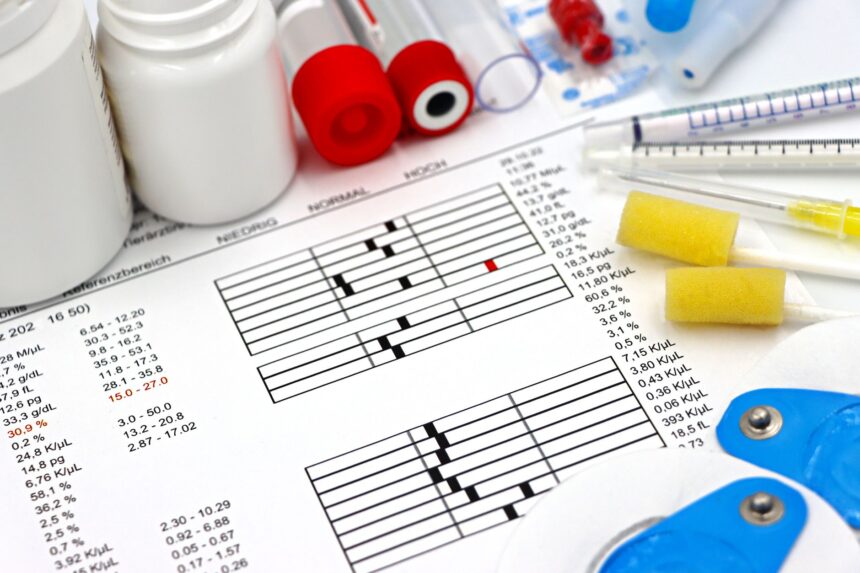
Chart showing Hashimoto's thyroiditis as 90 percent of hypothyroidism cases in iodine-sufficient countries
Standard thyroid tests measure only hormone levels, missing the autoimmune component of Hashimoto's disease. Elevated thyroid antibodies can occur while TSH remains normal, leaving millions undiagnosed despite persistent symptoms. — Photo by Marta Branco on Pexels (Pexels License)
SHARE
1 min read|133 words

Millions of patients experience persistent fatigue, weight gain, and cognitive dysfunction despite receiving normal thyroid function test results. This diagnostic paradox points to a fundamental limitation in routine thyroid screening: standard panels measure only TSH and T4, completely overlooking the autoimmune destruction occurring in Hashimoto’s thyroiditis.

Hashimoto’s thyroiditis accounts for approximately 90 percent of hypothyroidism cases in iodine-sufficient countries, yet conventional testing fails to detect elevated thyroid antibodies that may be actively attacking thyroid tissue. According to recent clinical evidence, thyroid peroxidase (TPO) and thyroglobulin (Tg) antibodies can rise significantly while TSH remains within normal reference ranges.

Clinicians and patients alike should recognize that comprehensive thyroid assessment requires antibody testing alongside hormone measurement, particularly when symptoms persist despite normal hormone panels. Early detection of thyroid antibodies enables preventive intervention before overt thyroid failure develops.

Was this article helpful?

GMJ Brief · Announcement

📰 Read the full article: Why Normal Thyroid Tests Don’t Always Mean You’re Healthy: The Hashimoto’s Gap →

Related reference
  • Hypothyroidism · Condition
  • Iodine · Ingredient
Share This Article
Facebook LinkedIn Bluesky Copy Link Print
GMJ
ByProf. Giorgi Pkhakadze
Follow:
Prof. Giorgi Pkhakadze, MD, MPH, PhD, is Editor-in-Chief of the Georgian Medical Journal and Chair of the Public Health Institute of Georgia (PHIG). He is Professor and Head of the Department of Social and Behavioural Sciences at David Tvildiani Medical University, and Secretary/Treasurer of the UEMS Section of Public Health. ORCID: 0000-0001-7609-4515.

Submit Your Paper →

Georgia's peer-reviewed open-access medical journal. No APC until January 2027.
Submit Manuscript →
How amino acids shape brain function: from neurotransmitters to cognitive endurance

Amino acids are the biochemical foundation of neurotransmitter synthesis, energy metabolism, and…

L-Theanine Shifts Brain Waves Toward Calm Focus Without Sedation, Research Shows

L-theanine, an amino acid in green tea, shifts brain waves from stress-associated…

Magnesium Deficiency Linked to Multiple Chronic Diseases: What the Evidence Shows

Magnesium deficiency is implicated in multiple chronic diseases including type 2 diabetes,…

Submit Your Paper to GMJ

No APC until January 2027.
Submit Manuscript →

You Might Also Like

Brain scan and gut microbiome illustration showing intermittent fasting effects

Three Evidence-Based Changes Your Body Undergoes During Intermittent Fasting

By
Prof. Giorgi Pkhakadze
08/07/2026

🚨 Mandated State-Level Surveillance of Assisted Reproductive Technology — An Emerging Threat in the United States

By
Prof. Giorgi Pkhakadze
05/07/2026

EBOLA OUTBREAK – DRC/UGANDA CROSS-BORDER TRANSMISSION WITH WHO PHEIC DECLARATION

By
Prof. Giorgi Pkhakadze
31/05/2026
Variety of legumes including beans, lentils, and soy products representing cardiovascular health benefits

Meta-Analysis Data: Legumes Demonstrate Significant Hypertension Risk Reduction

By
Prof. Giorgi Pkhakadze
21/07/2026
Facebook Twitter Youtube Instagram
Company
  • Privacy Policy
  • Contact US
  • GMJ Journal
  • Submit Manuscript
  • Editorial Team
  • Register at GMJ
  • Terms of Use

Subscribe to GMJ News — Click here

Join Community
© 2026 Georgian Medical Journal (GMJ). Published by the Public Health Institute of Georgia (PHIG). All rights reserved.
Welcome Back!

Sign in to your account

Username or Email Address
Password

Lost your password?

Not a member? Sign Up