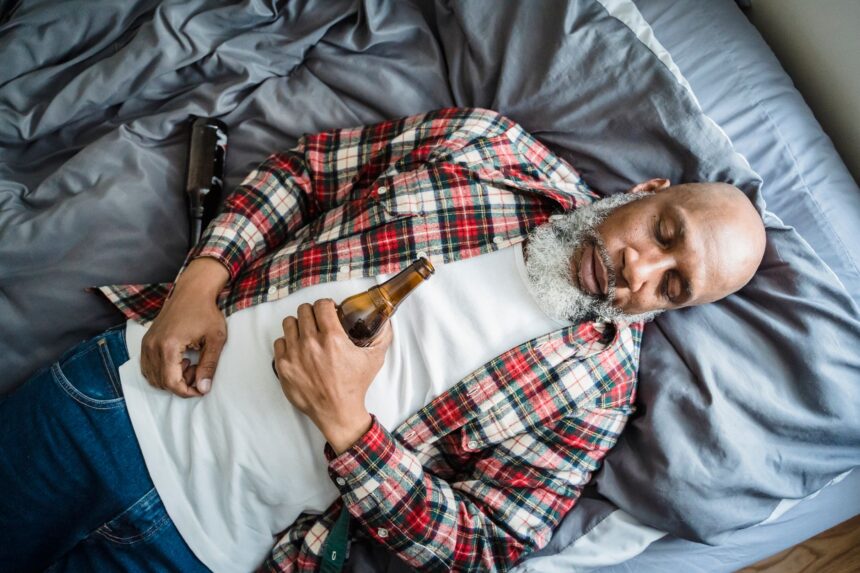
A critical disconnect exists between how rested you feel after drinking and what actually happens inside your body during sleep. Research by circadian biology specialist Dr. William Wallace reveals that moderate alcohol consumption suppresses nocturnal growth hormone secretion by 75% and fragments sleep architecture in the second half of the night—effects that persist even when individuals report feeling well-rested the following morning.
This finding underscores an important distinction in sleep medicine: subjective perception of sleep quality does not reliably reflect objective physiological recovery. Growth hormone, essential for muscle repair, immune function, and metabolic regulation, is substantially impaired by moderate drinking. The research demonstrates that alcohol disrupts the restorative stages of sleep when the body performs critical maintenance functions.
These discoveries have implications for athletes, shift workers, and anyone prioritizing sleep-dependent recovery. The study highlights why sleep quality assessment should consider both how people feel and measurable physiological markers.
Was this article helpful?