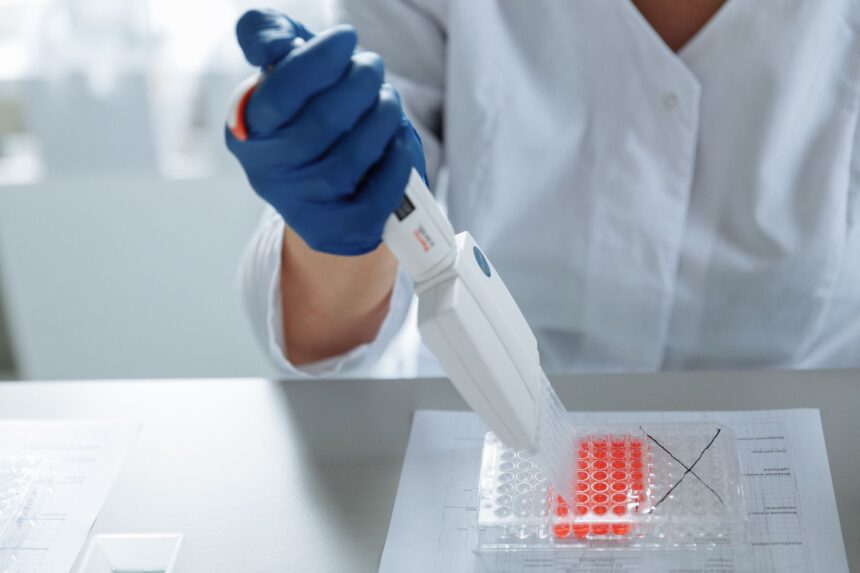
Deep within bone marrow lies a remarkable biological process that sustains human life: hematopoietic stem cells continuously generate every component of your blood and immune system. These pluripotent cells respond to precise chemical signals—including interleukin-3, granulocyte-macrophage colony-stimulating factor, interleukin-7, and stem cell factor—that direct them to differentiate into seven major cell lineages. From oxygen-carrying red blood cells to infection-fighting neutrophils and T cells, this orchestrated process produces millions of new cells every minute.
This remarkable regenerative capacity maintains immune competence and oxygen delivery throughout life. However, when hematopoiesis falters, the consequences are severe: anemia, immunodeficiency, autoimmune disease, impaired wound healing, and blood malignancies can develop. Understanding the molecular mechanisms governing hematopoietic stem cell differentiation has become fundamental to modern immunology and hematology, offering new therapeutic possibilities for patients with blood disorders and immune deficiencies.
Read the full article on GMJ Newsroom.
Was this article helpful?