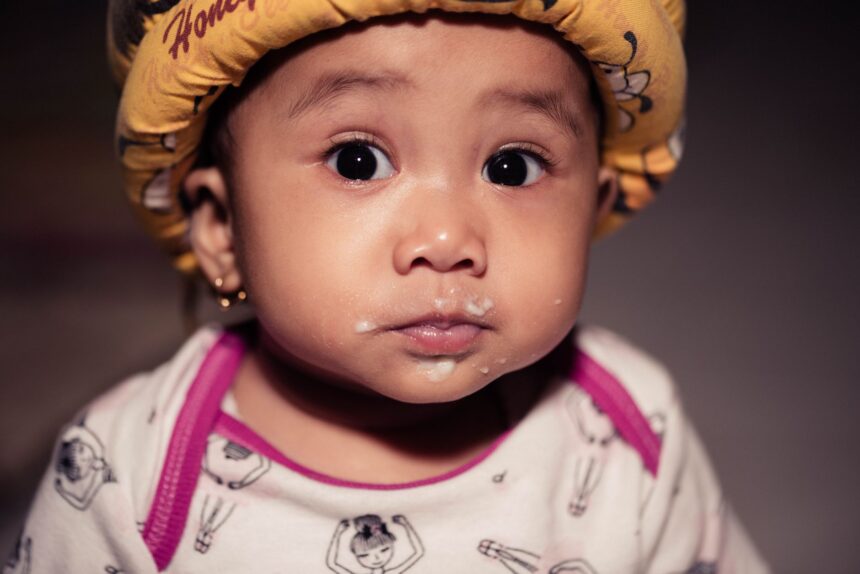
Therapeutic food demonstrates exceptional clinical outcomes, with cure rates between 85-90% for severe acute malnutrition. These impressive efficacy rates have made RUTF a cornerstone of pediatric nutrition intervention globally. However, statistics reveal a troubling disconnect between what we know works and what reaches children in need.
Currently, 40 million children worldwide remain unable to access RUTF despite its proven track record. UNICEF data shows that of 45 million children requiring treatment, only 5 million receive it—a stark reminder that availability gaps persist even for established interventions. Geographic concentration of malnutrition burden in sub-Saharan Africa and South Asia, compounded by conflict, climate variability, and economic constraints, creates barriers that transcend the clinical evidence supporting RUTF.
This treatment gap represents not a failure of the intervention itself, but rather a systemic challenge in healthcare delivery infrastructure and resource allocation.
Was this article helpful?