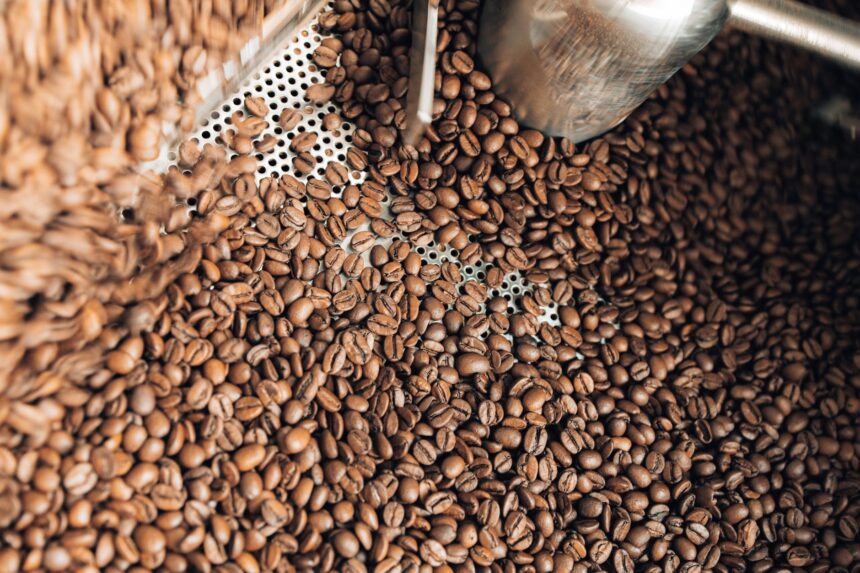
New research reveals that coffee roasting creates a fundamental trade-off in antioxidant composition rather than a simple degradation process. Light roasts preserve maximum chlorogenic acids at 8.0 mg/g—compounds extensively studied for blood sugar regulation and vascular protection—representing a 46% advantage over dark roasts. However, the darker roasting process is not a loss; it initiates a chemical transformation that generates secondary antioxidant compounds, particularly gallic acids, which peak at 2.33 mg/g in dark roasts. This shift suggests that different roast profiles may offer complementary health benefits rather than hierarchical superiority. The choice between light and dark roasts may depend less on which is categorically healthier and more on individual health objectives and personal tolerance. Understanding these nuanced differences empowers consumers to make informed choices aligned with their specific nutritional needs.
Was this article helpful?