By using this site, you agree to the Privacy Policy and Terms of Use.
Accept
GMJ NewsGMJ NewsGMJ News
  • Latest News
    • GMJ Briefs
  • Podcast & Media
    • Podcast Episodes
    • GMJ Audio
    • GMJ Videos
  • Research Digest
    • New Studies
    • Georgian Research
    • Data & Numbers
  • Policy & Systems
    • Health Policy
    • Quality & Safety
    • Migration & Health
    • Global Health
  • Practice
    • Clinical Updates
    • Case Discussions
    • Pharmacy & Prescribing
    • Ingredients A-Z
  • Perspectives
    • Editorial
    • Explainers
    • Voices
    • Letters
  • Health Topics
    • Diabetes
    • Cancer
    • Cardiovascular
    • Mental Health
    • Vaccines
    • Migration & Health
    • Patient Safety & Accreditation
    • Occupational Safety and Health
  • GMJ Articles
    • Vol. 1 Issue 2 (2026)
    • Vol. 1 Issue 1 (2026)
    • Pre-Launch Articles (2025)
  • Read the Journal →
  • About GMJ News
Notification Show More
Font ResizerAa
GMJ NewsGMJ News
Font ResizerAa
  • Latest News
    • GMJ Briefs
  • Podcast & Media
    • Podcast Episodes
    • GMJ Audio
    • GMJ Videos
  • Research Digest
    • New Studies
    • Georgian Research
    • Data & Numbers
  • Policy & Systems
    • Health Policy
    • Quality & Safety
    • Migration & Health
    • Global Health
  • Practice
    • Clinical Updates
    • Case Discussions
    • Pharmacy & Prescribing
    • Ingredients A-Z
  • Perspectives
    • Editorial
    • Explainers
    • Voices
    • Letters
  • Health Topics
    • Diabetes
    • Cancer
    • Cardiovascular
    • Mental Health
    • Vaccines
    • Migration & Health
    • Patient Safety & Accreditation
    • Occupational Safety and Health
  • GMJ Articles
    • Vol. 1 Issue 2 (2026)
    • Vol. 1 Issue 1 (2026)
    • Pre-Launch Articles (2025)
  • Read the Journal →
  • About GMJ News
Follow US
GMJ News > GMJ Briefs > The Three-Pathway Mechanism: How Omega-3s Activate Cellular Energy Control

The Three-Pathway Mechanism: How Omega-3s Activate Cellular Energy Control

GMJ
Last updated: 01/08/2026 13:30
By
Prof. Giorgi Pkhakadze
Share
1 Min Read
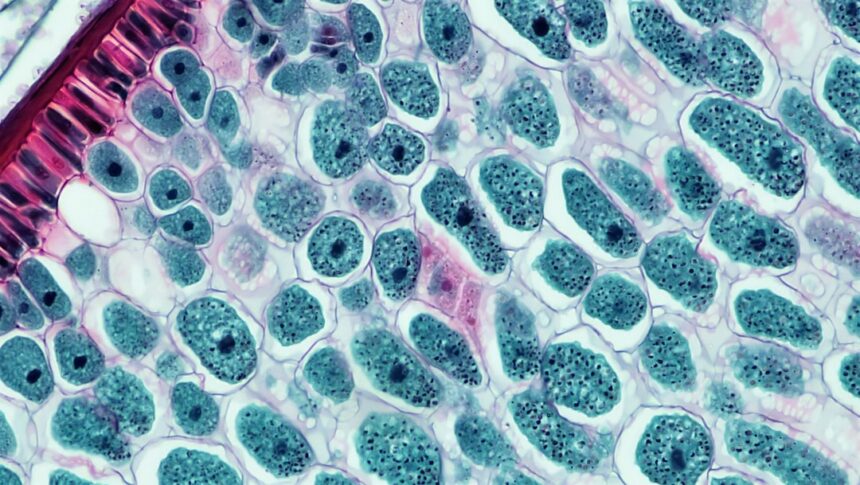
Diagram showing omega-3 fatty acid integration into muscle cell membrane and downstream phospholipase signalling pathways
Omega-3 fatty acids reshape muscle tissue architecture by integrating into cell membranes and activating phospholipase signalling cascades that improve insulin sensitivity, reduce fat storage, and enhance protein synthesis—explaining their consistent benefits across metabolic health, athletic performance, and ageing populations. — Photo by Bioscience Image Library by Fayette Reynolds on Unsplash (Unsplash License)
SHARE
1 min read|140 words

A critical breakthrough in understanding omega-3 metabolic effects centers on three independent phospholipase enzymatic cascades that respond to EPA and DHA incorporation into muscle cell membranes. These pathways—phospholipase D, C, and A2—operate simultaneously to regulate distinct aspects of cellular metabolism: insulin signalling efficiency, intramuscular lipid accumulation, and muscle protein synthesis rates.

This multi-pathway activation fundamentally explains omega-3s’ consistent metabolic benefits. Rather than functioning through a single mechanism, these fatty acids trigger coordinated changes in intracellular calcium signalling and eicosanoid production that collectively improve metabolic flexibility. Research indicates this enhanced cellular responsiveness directly correlates with improved glucose control and reduced fat storage in muscle tissue. The identification of these three distinct pathways provides a mechanistic foundation for clinical interventions targeting metabolic health in athletes, aging populations, and individuals with metabolic dysfunction.

Read the full article on GMJ Newsroom.

Was this article helpful?

GMJ Brief · Key Finding

📰 Read the full article: Omega-3s reshape muscle tissue at the cellular level, study reveals →

Related reference
  • Calcium · Ingredient
  • Insulin · Drug
Share This Article
Facebook LinkedIn Bluesky Copy Link Print
GMJ
ByProf. Giorgi Pkhakadze
Follow:
Prof. Giorgi Pkhakadze, MD, MPH, PhD, is Editor-in-Chief of the Georgian Medical Journal and Chair of the Public Health Institute of Georgia (PHIG). He is Professor and Head of the Department of Social and Behavioural Sciences at David Tvildiani Medical University, and Secretary/Treasurer of the UEMS Section of Public Health. ORCID: 0000-0001-7609-4515.

Submit Your Paper →

Georgia's peer-reviewed open-access medical journal. No APC until January 2027.
Submit Manuscript →
Kenya launches ambitious strategy to manufacture its own vaccines and health products

Kenya has adopted a comprehensive strategy to manufacture vaccines and health products…

UK Regulators Issue Five Medical Device Safety Alerts in Mid-June 2026

The UK Medicines and Healthcare products Regulatory Agency (MHRA) issued five field…

GE HealthCare Issues Safety Correction for Infant Resuscitation Systems Over Oxygen Delivery Risk

GE HealthCare has issued a safety correction for Giraffe and Panda infant…

Submit Your Paper to GMJ

No APC until January 2027.
Submit Manuscript →

You Might Also Like

Illustration of plasma proteomics analysis showing protein signatures associated with aging in different cell types

40+ Cellular Aging Signatures Identified: The New Frontier in Biological Age Assessment

By
Prof. Giorgi Pkhakadze
23/07/2026
Illustration of artificial intelligence analyzing electronic health records for adverse drug event detection

AI-Powered Clinical Notes Transform Drug Safety Monitoring

By
Prof. Giorgi Pkhakadze
18/07/2026
Medical device supply chain disruption affecting diagnostic imaging equipment

One Critical Medical Device Code Affected by Active Supply Disruption

By
Prof. Giorgi Pkhakadze
24/07/2026

PHEIC Declaration: Ebola Cross-Border Transmission DRC-Uganda

By
Prof. Giorgi Pkhakadze
31/05/2026
Facebook Twitter Youtube Instagram
Company
  • Privacy Policy
  • Contact US
  • GMJ Journal
  • Submit Manuscript
  • Editorial Team
  • Register at GMJ
  • Terms of Use

Subscribe to GMJ News — Click here

Join Community
© 2026 Georgian Medical Journal (GMJ). Published by the Public Health Institute of Georgia (PHIG). All rights reserved.
Welcome Back!

Sign in to your account

Username or Email Address
Password

Lost your password?

Not a member? Sign Up