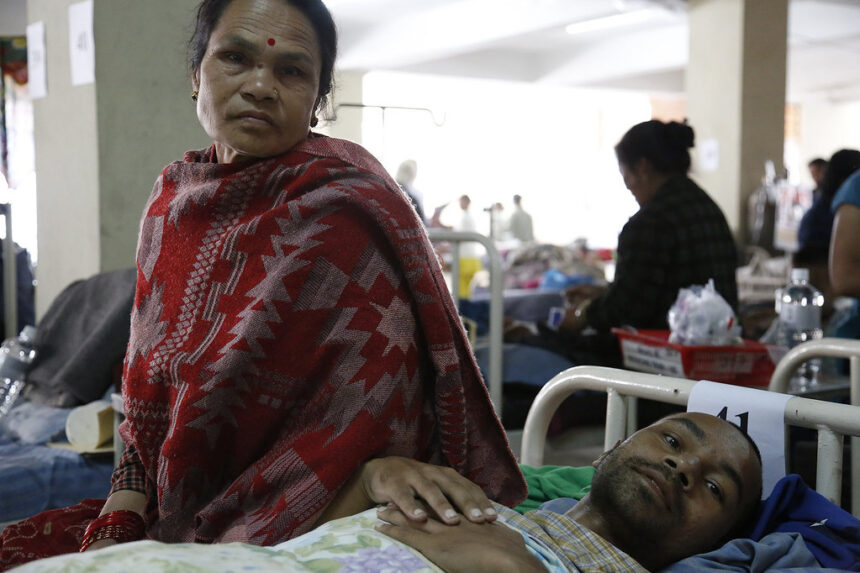
Healthcare providers working with South Asian American families need to understand three primary barriers to autism care. First, cultural stigma drives families to keep diagnoses secret, preventing children from accessing necessary support systems and interventions. Second, autism diagnoses often trigger family crises centered on reputation and achievement expectations, leading families to delay or refuse recommended treatments. Third, the secrecy surrounding diagnoses compounds access challenges, limiting children’s opportunities for early therapeutic intervention when outcomes are most favorable. Psychiatrist Dr. Ritu Goel emphasizes that culturally sensitive healthcare approaches are essential to address these barriers. Providers should engage families in dialogue about cultural values, explain how early intervention supports child success, and help reframe autism diagnosis as an opportunity for tailored support rather than family shame. Building trust and cultural competency can transform family responses and improve outcomes for South Asian American children with autism. Read the full article on GMJ Newsroom.
Was this article helpful?