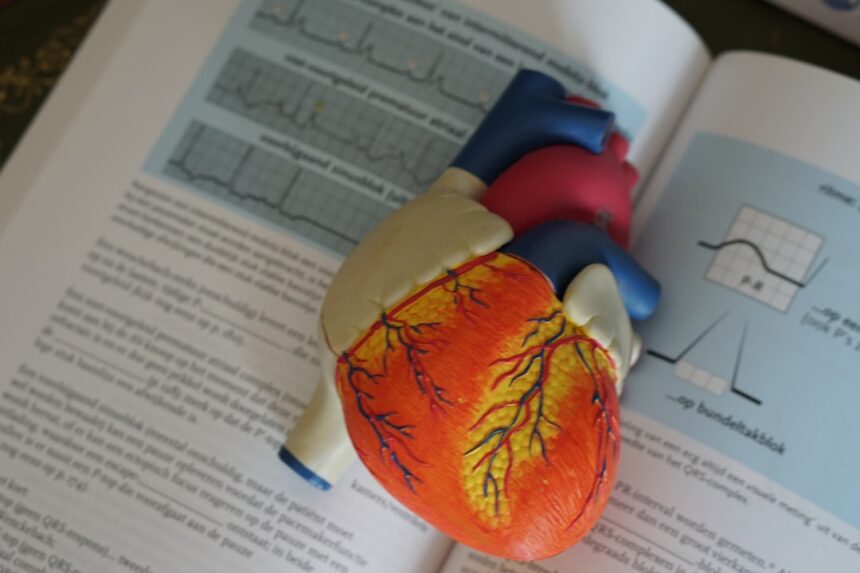
Thiamine deficiency in heart failure patients warrants urgent clinical awareness for three compelling reasons. First, thiamine is an indispensable cofactor for pyruvate dehydrogenase, the enzyme that converts all carbohydrate-derived calories into cellular ATP. Without it, energy production fails at the metabolic level, directly impairing cardiac function. Second, loop diuretics—the first-line treatment for heart failure—actively deplete thiamine by increasing urinary losses, and the body’s modest reserves can be exhausted in just 2–3 weeks. Third, and most problematically, thiamine deficiency is biochemically measurable yet clinically invisible—standard blood panels do not assess thiamine status, allowing the deficiency to progress undetected despite clear metabolic harm. These facts collectively suggest that routine thiamine monitoring may belong in the standard care pathway for heart failure patients on chronic diuretic therapy.
Was this article helpful?