By using this site, you agree to the Privacy Policy and Terms of Use.
Accept
GMJ NewsGMJ NewsGMJ News
  • Latest News
    • GMJ Briefs
  • Podcast & Media
    • Podcast Episodes
    • GMJ Audio
    • GMJ Videos
  • Research Digest
    • New Studies
    • Georgian Research
    • Data & Numbers
  • Policy & Systems
    • Health Policy
    • Quality & Safety
    • Migration & Health
    • Global Health
  • Practice
    • Clinical Updates
    • Case Discussions
    • Pharmacy & Prescribing
    • Ingredients A-Z
  • Perspectives
    • Editorial
    • Explainers
    • Voices
    • Letters
  • GMJ Articles
    • Vol. 1 Issue 2 (2026)
    • Vol. 1 Issue 1 (2026)
    • Pre-Launch Articles (2025)
  • Read the Journal →
  • About GMJ News
Notification Show More
Font ResizerAa
GMJ NewsGMJ News
Font ResizerAa
  • Latest News
    • GMJ Briefs
  • Podcast & Media
    • Podcast Episodes
    • GMJ Audio
    • GMJ Videos
  • Research Digest
    • New Studies
    • Georgian Research
    • Data & Numbers
  • Policy & Systems
    • Health Policy
    • Quality & Safety
    • Migration & Health
    • Global Health
  • Practice
    • Clinical Updates
    • Case Discussions
    • Pharmacy & Prescribing
    • Ingredients A-Z
  • Perspectives
    • Editorial
    • Explainers
    • Voices
    • Letters
  • GMJ Articles
    • Vol. 1 Issue 2 (2026)
    • Vol. 1 Issue 1 (2026)
    • Pre-Launch Articles (2025)
  • Read the Journal →
  • About GMJ News
Follow US
GMJ News > GMJ Briefs > Three Essential Insights: Why Prediabetes Reversal Matters for Heart Health

Three Essential Insights: Why Prediabetes Reversal Matters for Heart Health

GMJ
Last updated: 02/08/2026 16:43
By
Prof. Giorgi Pkhakadze
Share
1 Min Read
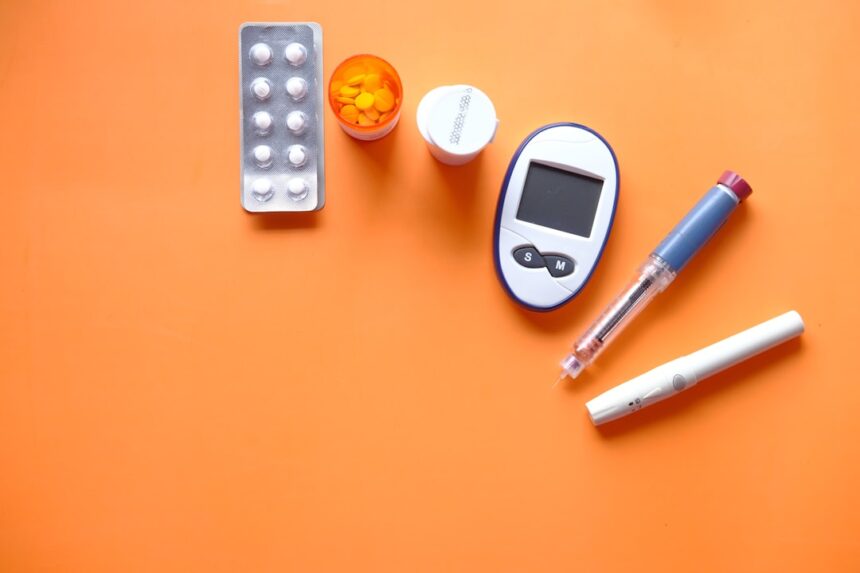
Medical chart showing cardiovascular risk reduction percentages with prediabetes reversal
New research shows people who reverse prediabetes by normalizing blood sugar levels reduce their risk of cardiovascular death by 58% and major cardiac events by 42%. The protective benefits persist for decades across diverse populations. — Photo by Towfiqu barbhuiya on Unsplash (Unsplash License)
SHARE
1 min read|120 words

New long-term research reveals three critical findings about prediabetes reversal that should inform clinical practice and patient education. First, individuals who normalize blood glucose levels achieve a 58% reduction in cardiovascular death and heart failure hospitalization. Second, major cardiac events including heart attacks and strokes decrease by 42% among those who reverse prediabetes.

Most significantly, these protective cardiovascular benefits persist for decades after achieving glucose normalization, making early intervention extraordinarily valuable. This sustained protection suggests that reversing prediabetes represents not merely a short-term metabolic correction, but a fundamental shift in long-term cardiovascular risk profile.

For clinicians and patients, these findings emphasize the urgency of identifying prediabetic individuals and implementing evidence-based interventions to normalize blood glucose levels before progression to type 2 diabetes occurs.

Was this article helpful?

GMJ Brief · Takeaway

📰 Read the full article: Reversing Prediabetes Cuts Cardiovascular Death Risk by 58%, Long-term Studies Show →

Related reference
  • Type 2 Diabetes · Condition
  • Heart Failure · Condition
  • Stroke · Condition
Share This Article
Facebook LinkedIn Bluesky Copy Link Print
GMJ
ByProf. Giorgi Pkhakadze
Follow:
Prof. Giorgi Pkhakadze, MD, MPH, PhD, is Editor-in-Chief of the Georgian Medical Journal and Chair of the Public Health Institute of Georgia (PHIG). He is Professor and Head of the Department of Social and Behavioural Sciences at David Tvildiani Medical University, and Secretary/Treasurer of the UEMS Section of Public Health. ORCID: 0000-0001-7609-4515.

Submit Your Paper →

Georgia's peer-reviewed open-access medical journal. No APC until January 2027.
Submit Manuscript →
How amino acids shape brain function: from neurotransmitters to cognitive endurance

Amino acids are the biochemical foundation of neurotransmitter synthesis, energy metabolism, and…

L-Theanine Shifts Brain Waves Toward Calm Focus Without Sedation, Research Shows

L-theanine, an amino acid in green tea, shifts brain waves from stress-associated…

Magnesium Deficiency Linked to Multiple Chronic Diseases: What the Evidence Shows

Magnesium deficiency is implicated in multiple chronic diseases including type 2 diabetes,…

Submit Your Paper to GMJ

No APC until January 2027.
Submit Manuscript →

You Might Also Like

Medical illustration showing polycystic ovary metabolic syndrome diagnostic criteria and symptoms

70% of Women With Polycystic Ovary Syndrome Remain Undiagnosed—New Name Aims to Change That

By
Prof. Giorgi Pkhakadze
24/06/2026
Healthcare cost savings chart showing medically tailored meal program benefits

Three Essential Facts About the Medically Tailored Meals Revolution in Chronic Care

By
Prof. Giorgi Pkhakadze
02/07/2026
Medical illustration showing DNA helix with cancer risk assessment data for pediatric genetic testing

Precision Genetics: How Early Testing Transforms Pediatric Cancer Care

By
Prof. Giorgi Pkhakadze
06/06/2026

PHEIC Declaration: Ebola Cross-Border Transmission DRC-Uganda

By
Prof. Giorgi Pkhakadze
31/05/2026
Facebook Twitter Youtube Instagram
Company
  • Privacy Policy
  • Contact US
  • GMJ Journal
  • Submit Manuscript
  • Editorial Team
  • Register at GMJ
  • Terms of Use

Subscribe to GMJ News — Click here

Join Community
© 2026 Georgian Medical Journal (GMJ). Published by the Public Health Institute of Georgia (PHIG). All rights reserved.
Welcome Back!

Sign in to your account

Username or Email Address
Password

Lost your password?

Not a member? Sign Up