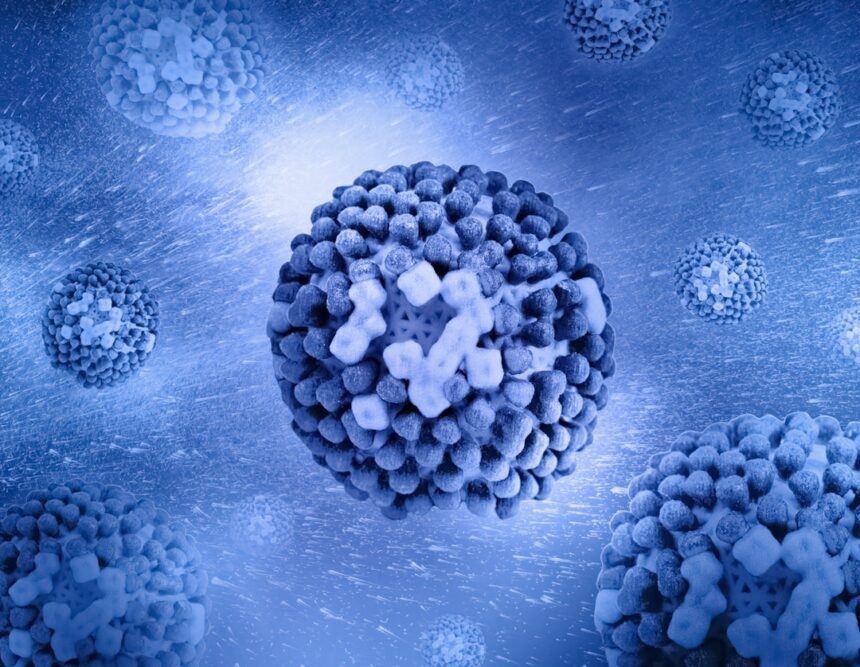
Effective immune protection operates through three integrated defense mechanisms, each optimized for specific threats. The first layer—innate immunity—provides immediate, non-specific defense through physical barriers including skin and mucous membranes, chemical agents like stomach acid, and specialized cells such as macrophages that rapidly neutralize intruders. The second layer consists of adaptive immune cells: B lymphocytes and T lymphocytes that recognize and eliminate specific pathogens while establishing long-term immunological memory. The third layer involves antibody specialization, with five distinct antibody classes—IgM, IgG, IgA, IgE, and IgD—each evolved to address different threat scenarios, from pathogenic bacteria to parasitic infections. Understanding this architecture explains why vaccination triggers all three layers: initiating adaptive responses that build memory while activating antibody production. This multi-layered approach ensures both rapid response to immediate threats and sustained protection against future exposure.
Was this article helpful?