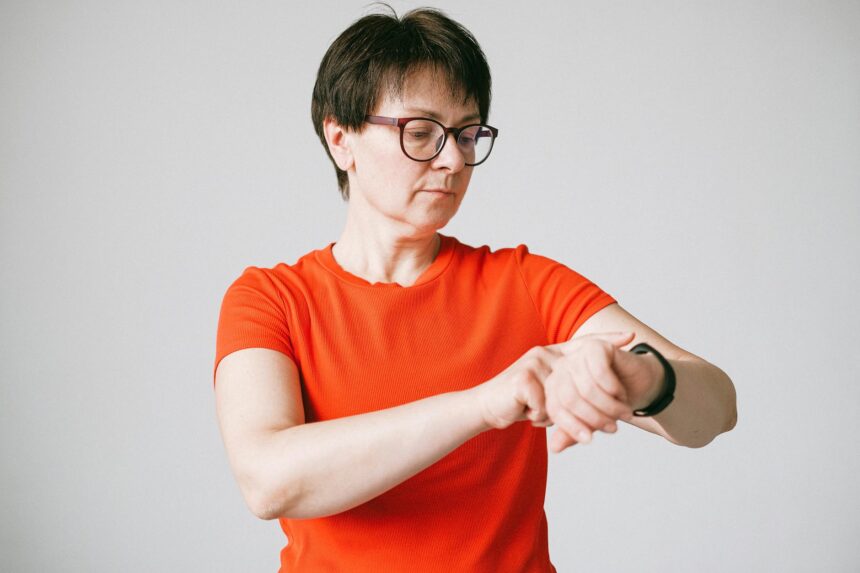
Wearable devices present practical solutions to three critical areas where women’s health research lags behind clinical needs. First, continuous monitoring during hormonal cycles traditionally excluded from research protocols could reveal how hormonal fluctuations influence disease manifestation and treatment efficacy—particularly important for the 85% of women’s health issues involving reproductive health. Second, real-world cardiovascular data collection could capture disease patterns unique to women, whose heart disease symptoms often differ from clinical presentations documented in male-dominated research. Third, objective mental health tracking through wearables could improve diagnosis and monitoring of conditions affecting women at higher rates, addressing the current reliance on subjective reporting. These applications underscore how wearable technology transcends theoretical promise to offer clinicians and researchers tangible tools for personalized, evidence-based women’s healthcare. Implementation requires addressing data standardization and validation challenges, but the potential benefits for closing gender health gaps are substantial.
Was this article helpful?