By using this site, you agree to the Privacy Policy and Terms of Use.
Accept
GMJ NewsGMJ NewsGMJ News
  • Latest News
    • GMJ Briefs
  • Podcast & Media
    • Podcast Episodes
    • GMJ Audio
    • GMJ Videos
  • Research Digest
    • New Studies
    • Georgian Research
    • Data & Numbers
  • Policy & Systems
    • Health Policy
    • Quality & Safety
    • Migration & Health
    • Global Health
  • Practice
    • Clinical Updates
    • Case Discussions
    • Pharmacy & Prescribing
    • Ingredients A-Z
  • Perspectives
    • Editorial
    • Explainers
    • Voices
    • Letters
  • Health Topics
  • GMJ Articles
    • Vol. 1 Issue 2 (2026)
    • Vol. 1 Issue 1 (2026)
    • Pre-Launch Articles (2025)
  • Read the Journal →
  • About GMJ News
Notification Show More
Font ResizerAa
GMJ NewsGMJ News
Font ResizerAa
  • Latest News
    • GMJ Briefs
  • Podcast & Media
    • Podcast Episodes
    • GMJ Audio
    • GMJ Videos
  • Research Digest
    • New Studies
    • Georgian Research
    • Data & Numbers
  • Policy & Systems
    • Health Policy
    • Quality & Safety
    • Migration & Health
    • Global Health
  • Practice
    • Clinical Updates
    • Case Discussions
    • Pharmacy & Prescribing
    • Ingredients A-Z
  • Perspectives
    • Editorial
    • Explainers
    • Voices
    • Letters
  • Health Topics
  • GMJ Articles
    • Vol. 1 Issue 2 (2026)
    • Vol. 1 Issue 1 (2026)
    • Pre-Launch Articles (2025)
  • Read the Journal →
  • About GMJ News
Follow US
GMJ News > GMJ Briefs > What Bemotrizinol’s FDA Approval Means for Your Sun Protection Strategy

What Bemotrizinol’s FDA Approval Means for Your Sun Protection Strategy

GMJ
Last updated: 12/08/2026 19:30
By
Prof. Giorgi Pkhakadze
Share
1 Min Read
Sunscreen ingredient approval timeline showing 25-year gap between FDA approvals
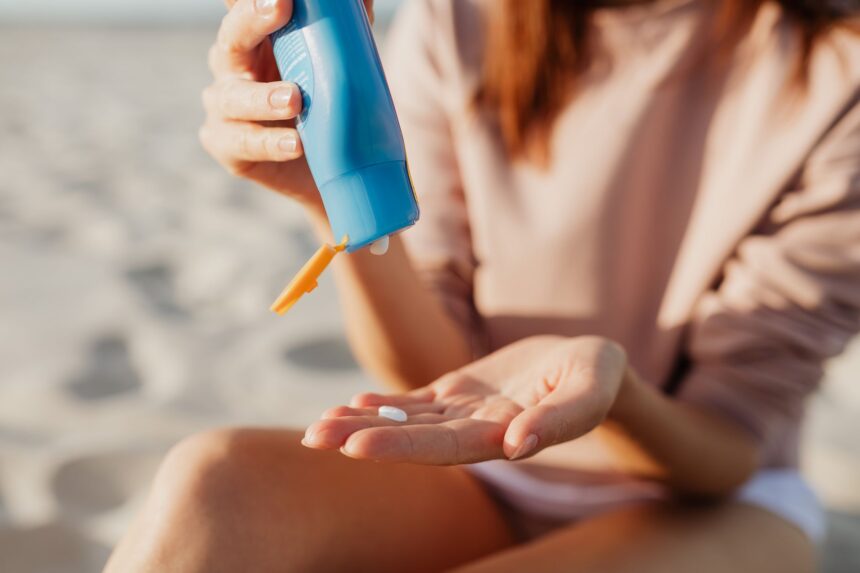
The FDA has approved bemotrizinol, the first new sunscreen active ingredient in 25 years, following decades of safe use across Europe and Asia. The approval expands American consumers' UV protection options and may signal faster regulatory integration of internationally vetted ingredients. — Photo by www.kaboompics.com on Pexels (Pexels License)
SHARE
1 min read|131 words

Bemotrizinol’s FDA authorization delivers three critical implications for dermatology practice and patient care. First, American consumers now access a first-new sunscreen active ingredient in 25 years, expanding formulation options for diverse skin types and preferences. Second, the ingredient’s established safety record—documented through decades of European and Asian use—provides clinicians with evidence-based confidence in recommending bemotrizinol-containing products. Third, this approval may signal regulatory momentum toward faster integration of internationally validated actives, potentially accelerating future sunscreen and skincare ingredient authorizations in the United States. Dermatologists can now counsel patients about expanded UV protection options while reinforcing that established international use provides meaningful safety assurance. This development emphasizes the importance of harmonizing global regulatory standards to ensure American patients benefit from proven innovations without unnecessary delay. Read the full article on GMJ Newsroom.

Was this article helpful?

GMJ Brief · Takeaway

📰 Read the full article: FDA Approves Bemotrizinol: First New Sunscreen Ingredient in 25 Years →

Share This Article
Facebook LinkedIn Bluesky Copy Link Print
GMJ
ByProf. Giorgi Pkhakadze
Follow:
Prof. Giorgi Pkhakadze, MD, MPH, PhD, is Editor-in-Chief of the Georgian Medical Journal and Chair of the Public Health Institute of Georgia (PHIG). He is Professor and Head of the Department of Social and Behavioural Sciences at David Tvildiani Medical University, and Secretary/Treasurer of the UEMS Section of Public Health. ORCID: 0000-0001-7609-4515.

Submit Your Paper →

Georgia's peer-reviewed open-access medical journal. No APC until January 2027.
Submit Manuscript →
EMA Launches Email Notifications for Clinical Trial Information System

The European Medicines Agency has rolled out email notification subscriptions in CTIS,…

Independent Inquiry Finds Systemic Racism in Maternity Care Undermines Patient Safety

An independent inquiry has documented systemic racism and discrimination affecting patient safety…

Trump’s GLP-1 Drug Deal with Eli Lilly and Novo Nordisk Falls Short of Cost Control Goals

The Trump administration's voluntary pricing agreement with Eli Lilly and Novo Nordisk…

Submit Your Paper to GMJ

No APC until January 2027.
Submit Manuscript →

You Might Also Like

MHRA medicines defect notification document for denosumab injection labelling error

MHRA Issues Class 4 Alert for Ponlimsi Denosumab Following Carton Labelling Discrepancy

By
Prof. Giorgi Pkhakadze
22/06/2026
Medical illustration showing muscle metabolism activation for diabetes treatment

Direct Comparison: How New Diabetes Pill Differs from Ozempic’s Mechanism

By
Prof. Giorgi Pkhakadze
22/06/2026
MHRA headquarters building representing regulatory equality framework implementation

MHRA Embeds Health Equity Into Core Regulatory Functions

By
Prof. Giorgi Pkhakadze
22/06/2026
WOAH laboratory network showing digital monitoring systems and global connectivity

WOAH Modernizes Global Veterinary Laboratory Standards Without Compromising Scientific Rigor

By
Prof. Giorgi Pkhakadze
27/06/2026
Facebook Twitter Youtube Instagram
Company
  • Privacy Policy
  • Contact US
  • GMJ Journal
  • Submit Manuscript
  • Editorial Team
  • Register at GMJ
  • Terms of Use

Subscribe to GMJ News — Click here

Join Community
© 2026 Georgian Medical Journal (GMJ). Published by the Public Health Institute of Georgia (PHIG). All rights reserved.
Welcome Back!

Sign in to your account

Username or Email Address
Password

Lost your password?

Not a member? Sign Up