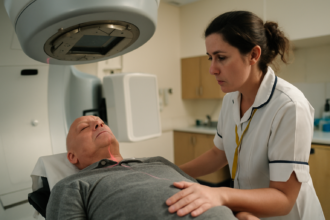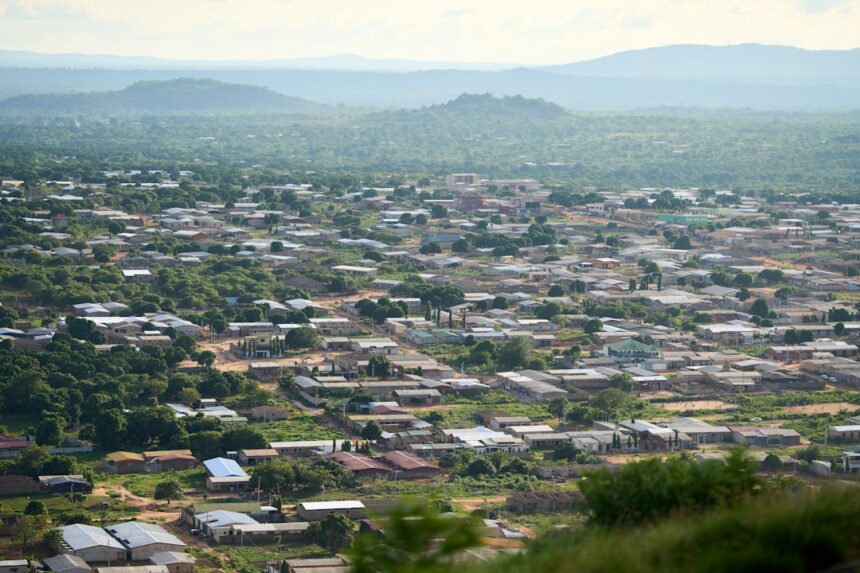
Understanding cancer mortality disparities requires examining three concrete barriers affecting rural patients. First, screening access remains concentrated in urban centers; rural communities lack mammography, colonoscopy, and other detection programs, resulting in later-stage diagnoses when treatment is more complex and outcomes poorer. Second, oncology specialists cluster in metropolitan areas, forcing rural patients to undertake costly travel for specialized care—a burden that deters treatment initiation and continuity. Third, cancer prevention advances including smoking cessation programs and HPV vaccination campaigns have achieved slower uptake in rural populations due to limited health education infrastructure and provider availability. These structural inequities translate directly into preventable deaths. Addressing rural cancer mortality requires targeted investment in mobile screening units, telehealth oncology services, and community-based prevention programs designed for rural populations. Read the full article on GMJ Newsroom.
Was this article helpful?