By using this site, you agree to the Privacy Policy and Terms of Use.
Accept
GMJ NewsGMJ NewsGMJ News
  • Latest News
    • GMJ Briefs
  • Podcast & Media
    • Podcast Episodes
    • GMJ Audio
    • GMJ Videos
  • Research Digest
    • New Studies
    • Georgian Research
    • Data & Numbers
  • Policy & Systems
    • Health Policy
    • Quality & Safety
    • Migration & Health
    • Global Health
  • Practice
    • Clinical Updates
    • Case Discussions
    • Pharmacy & Prescribing
    • Ingredients A-Z
  • Perspectives
    • Editorial
    • Explainers
    • Voices
    • Letters
  • GMJ Articles
    • Vol. 1 Issue 2 (2026)
    • Vol. 1 Issue 1 (2026)
    • Pre-Launch Articles (2025)
  • Read the Journal →
  • About GMJ News
Notification Show More
Font ResizerAa
GMJ NewsGMJ News
Font ResizerAa
  • Latest News
    • GMJ Briefs
  • Podcast & Media
    • Podcast Episodes
    • GMJ Audio
    • GMJ Videos
  • Research Digest
    • New Studies
    • Georgian Research
    • Data & Numbers
  • Policy & Systems
    • Health Policy
    • Quality & Safety
    • Migration & Health
    • Global Health
  • Practice
    • Clinical Updates
    • Case Discussions
    • Pharmacy & Prescribing
    • Ingredients A-Z
  • Perspectives
    • Editorial
    • Explainers
    • Voices
    • Letters
  • GMJ Articles
    • Vol. 1 Issue 2 (2026)
    • Vol. 1 Issue 1 (2026)
    • Pre-Launch Articles (2025)
  • Read the Journal →
  • About GMJ News
Follow US
GMJ News > GMJ Briefs > What Clinicians and Patients Should Know About Plant-Based Anti-Inflammatory Interventions

What Clinicians and Patients Should Know About Plant-Based Anti-Inflammatory Interventions

GMJ
Last updated: 10/07/2026 12:07
By
Prof. Giorgi Pkhakadze
Share
1 Min Read
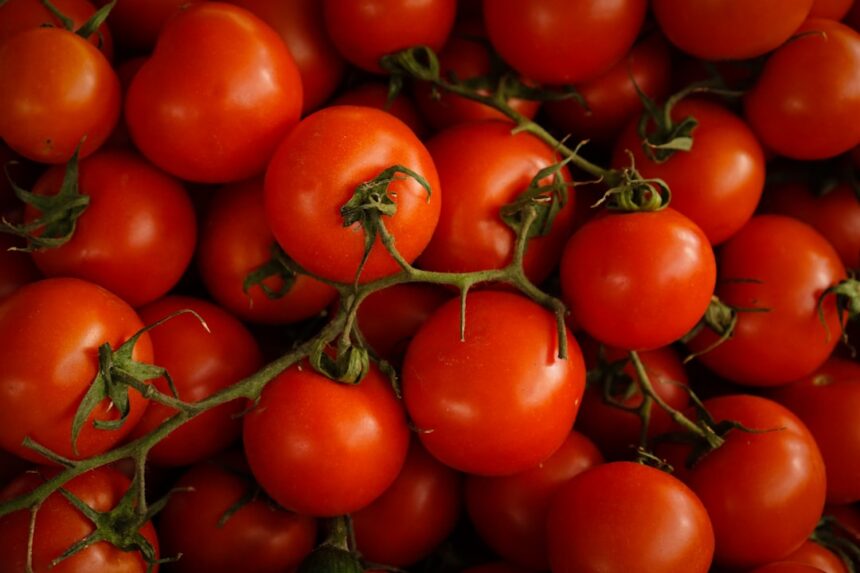
Glass of tomato-soy juice with fresh tomatoes and soybeans representing anti-inflammatory nutrition research
A clinical trial shows that a specially formulated tomato-soy juice reduced obesity-related inflammatory markers by up to 23% in just four weeks. The enhanced formulation outperformed standard tomato juice, suggesting synergistic anti-inflammatory benefits from concentrated plant compounds. — Photo: Tom Hermans / Pexels
SHARE
1 min read|129 words

A recent clinical trial reveals three critical insights about nutritional management of obesity-related inflammation. First, the specialized tomato-soy juice formulation reduced inflammatory proteins by 15-23% in just four weeks, demonstrating measurable therapeutic efficacy within a clinically relevant timeframe. Second, the enhanced formulation’s superior performance compared to standard tomato juice demonstrates that formulation quality and plant compound concentration matter significantly in achieving therapeutic outcomes. Third, the study’s high participant compliance and well-tolerated profile suggest this intervention could be practically integrated into clinical protocols. For healthcare providers managing obesity and associated inflammatory conditions, these findings support recommending targeted plant-based nutritional interventions as complementary strategies. The rapid timeline for observable results and evidence-based formulation approach make this a promising addition to comprehensive metabolic health programs. Read the full article on GMJ Newsroom.

Was this article helpful?

GMJ Brief · Takeaway

📰 Read the full article: Tomato-Soy Juice Blend Reduces Obesity-Related Inflammation in Clinical Trial →

Related reference
  • Obesity · Condition
Share This Article
Facebook LinkedIn Bluesky Copy Link Print
GMJ
ByProf. Giorgi Pkhakadze
Follow:
Prof. Giorgi Pkhakadze, MD, MPH, PhD, is Editor-in-Chief of the Georgian Medical Journal and Chair of the Public Health Institute of Georgia (PHIG). He is Professor and Head of the Department of Social and Behavioural Sciences at David Tvildiani Medical University, and Secretary/Treasurer of the UEMS Section of Public Health. ORCID: 0000-0001-7609-4515.

Submit Your Paper →

Georgia's peer-reviewed open-access medical journal. No APC until January 2027.
Submit Manuscript →
Iron, Folate, and B12: The Three Nutrients Your Blood Cannot Live Without

Red blood cells depend on three essential nutrients—iron, folate, and vitamin B12—to…

Why Coffee Affects Everyone Differently: The Science of Caffeine Metabolism

Caffeine metabolism is governed by liver enzymes, genetics, and lifestyle factors, explaining…

PQQ Shows Consistent Benefits for Inflammation, Energy, and Memory in Human Trials

Pyrroloquinoline quinone (PQQ), a naturally occurring micronutrient, shows consistent improvements in inflammatory…

Submit Your Paper to GMJ

No APC until January 2027.
Submit Manuscript →

You Might Also Like

AMR Deaths Could Escalate from 700,000 to 10 Million Annually by 2050

By
Prof. Giorgi Pkhakadze
11/06/2026
Pharmacy & PrescribingPractice

FDA Recalls 90,000 Bottles of Children’s Ibuprofen Due to Foreign Material Contamination

By
Prof. Giorgi Pkhakadze
15/06/2026
Brain scan and gut microbiome illustration showing intermittent fasting effects

How Intermittent Fasting Simultaneously Reshapes Brain Function and Gut Bacteria

By
Prof. Giorgi Pkhakadze
15/06/2026

SITUATION BRIEF: Cross-Border Ebola Outbreak – DRC/Uganda

By
Prof. Giorgi Pkhakadze
31/05/2026
Facebook Twitter Youtube Instagram
Company
  • Privacy Policy
  • Contact US
  • GMJ Journal
  • Submit Manuscript
  • Editorial Team
  • Register at GMJ
  • Terms of Use

Subscribe to GMJ News — Click here

Join Community
© 2026 Georgian Medical Journal (GMJ). Published by the Public Health Institute of Georgia (PHIG). All rights reserved.
Welcome Back!

Sign in to your account

Username or Email Address
Password

Lost your password?

Not a member? Sign Up