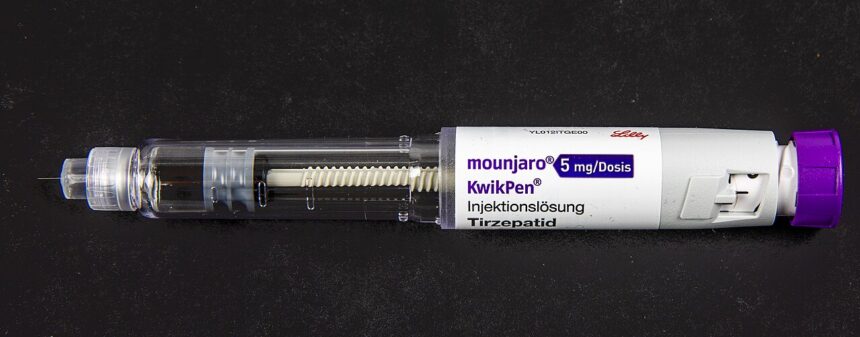
For clinicians managing patients with type 2 diabetes and peripheral artery disease, new evidence provides compelling reasons to consider GLP-1 receptor agonist therapy as part of comprehensive treatment strategies. Recent research from the Journal of the American Heart Association identifies three critical clinical benefits that should inform therapeutic decision-making.
First, GLP-1 medications significantly reduce overall mortality risk in this vulnerable population. Second, they substantially decrease amputation rates, preserving limb function and quality of life—outcomes that fundamentally matter to patients. Third, they reduce hospitalizations for cardiovascular complications, lowering disease burden and healthcare costs. These findings suggest that GLP-1 receptor agonists provide protective benefits that extend well beyond glucose control, addressing the underlying vascular pathology that drives PAD progression. For patients with concurrent diabetes and peripheral artery disease, GLP-1 therapy represents an important therapeutic consideration that may prevent the most severe complications of advanced vascular disease.
Read the full article on GMJ Newsroom.
Was this article helpful?