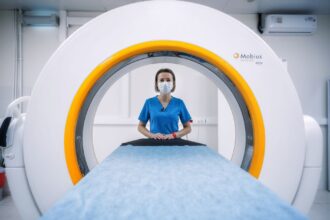
Cancer treatment often requires difficult trade-offs between therapeutic efficacy and cardiac safety. A new dual-target PET imaging technology offers practical solutions to this dilemma by providing three critical advantages for clinical practice.
First, the technology consolidates monitoring into a single imaging study, reducing procedural burden on patients and healthcare systems. Second, it enables simultaneous assessment of tumor response and cardiac inflammation, allowing clinicians to optimize therapy in real time. Third, earlier detection of cardiac inflammatory changes could prevent irreversible heart complications that currently force treatment discontinuation in cancer patients.
Early clinical evaluations demonstrate that therapies monitored through this dual-imaging approach achieve enhanced treatment response while reducing cardiac damage markers. For oncologists managing cardiotoxic regimens, this innovation provides the precision monitoring tools needed to maximize patient benefit while preserving cardiovascular function.
Read the full article on GMJ Newsroom.

Was this article helpful?