


By using this site, you agree to the Privacy Policy and Terms of Use.
Accept
GMJ NewsGMJ NewsGMJ News
  • Latest News
    • GMJ Briefs
  • Podcast & Media
    • Podcast Episodes
    • GMJ Audio
    • GMJ Videos
  • Research Digest
    • New Studies
    • Georgian Research
    • Data & Numbers
  • Policy & Systems
    • Health Policy
    • Quality & Safety
    • Migration & Health
    • Global Health
  • Practice
    • Clinical Updates
    • Case Discussions
    • Pharmacy & Prescribing
    • Ingredients A-Z
  • Dictionary
    • Browse A–Z
    • About the Project
    • Contribute a Term
  • Perspectives
    • Editorial
    • Explainers
    • Voices
    • Letters
  • Health Topics
  • GMJ Articles
    • Vol. 1 Issue 2 (2026)
    • Vol. 1 Issue 1 (2026)
    • Pre-Launch Articles (2025)
  • Read the Journal →
  • About GMJ News
Notification Show More
Font ResizerAa
GMJ NewsGMJ News
Font ResizerAa
  • Latest News
    • GMJ Briefs
  • Podcast & Media
    • Podcast Episodes
    • GMJ Audio
    • GMJ Videos
  • Research Digest
    • New Studies
    • Georgian Research
    • Data & Numbers
  • Policy & Systems
    • Health Policy
    • Quality & Safety
    • Migration & Health
    • Global Health
  • Practice
    • Clinical Updates
    • Case Discussions
    • Pharmacy & Prescribing
    • Ingredients A-Z
  • Dictionary
    • Browse A–Z
    • About the Project
    • Contribute a Term
  • Perspectives
    • Editorial
    • Explainers
    • Voices
    • Letters
  • Health Topics
  • GMJ Articles
    • Vol. 1 Issue 2 (2026)
    • Vol. 1 Issue 1 (2026)
    • Pre-Launch Articles (2025)
  • Read the Journal →
  • About GMJ News
Follow US
GMJ News > GMJ Briefs > Why Folic Acid Deserves Attention in Diabetic Wound Care

Why Folic Acid Deserves Attention in Diabetic Wound Care

GMJ
Last updated: 07/08/2026 05:06
By
Prof. Giorgi Pkhakadze
Share
1 Min Read
AI drug discovery workflow diagram showing folic acid identification process
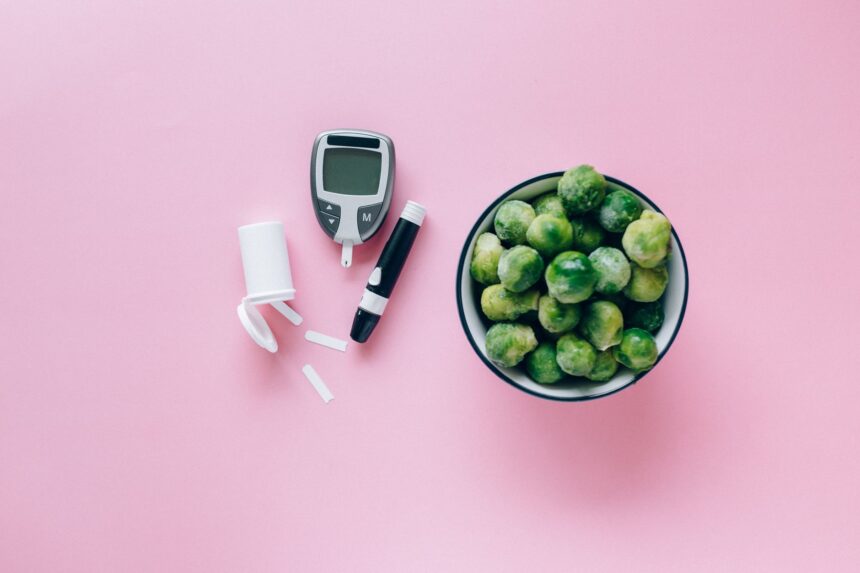
NUS researchers used AI to identify folic acid as a promising treatment for diabetic wound healing. The computational workflow offers hope for millions of diabetes patients worldwide. — Photo by Nataliya Vaitkevich on Pexels (Pexels License)
SHARE
1 min read|140 words

Researchers have identified three critical implications from their AI-driven discovery of folic acid for diabetic wound healing. First, the computational workflow successfully identified this therapeutic target by analyzing thousands of compounds and targeting specific molecular pathways disrupted in diabetes—a capability that surpasses traditional laboratory-based screening methods.

Second, folic acid’s established safety profile as an existing supplement may enable faster clinical translation compared to entirely novel compounds. This familiar substance already has documented mechanisms in cellular metabolism and DNA synthesis, providing a foundation for investigating its wound-healing applications.

Third, the accessibility and affordability of folic acid as a widely available vitamin supplement could significantly benefit patients in resource-limited settings where advanced wound-care treatments remain unavailable. This discovery exemplifies how AI-guided research can identify practical, scalable solutions for global health challenges affecting diabetic populations. Read the full article on GMJ Newsroom.

Was this article helpful?

GMJ Brief · Takeaway

📰 Read the full article: AI Workflow Identifies Folic Acid as Potential Treatment for Diabetic Wound Healing →

Share This Article
Facebook LinkedIn Bluesky Copy Link Print
GMJ
ByProf. Giorgi Pkhakadze
Follow:
Prof. Giorgi Pkhakadze, MD, MPH, PhD, is Editor-in-Chief of the Georgian Medical Journal and Chair of the Public Health Institute of Georgia (PHIG). He is Professor and Head of the Department of Social and Behavioural Sciences at David Tvildiani Medical University, and Secretary/Treasurer of the UEMS Section of Public Health. ORCID: 0000-0001-7609-4515.

Submit Your Paper →

Georgia's peer-reviewed open-access medical journal. No APC until January 2027.
Submit Manuscript →
WHO Prequalifies Infant-Friendly Malaria Treatment and New Diagnostic Tests

The World Health Organization prequalified an artemether–lumefantrine formulation for infants and three…

Opioid agonist treatment cuts mortality risk in French primary care—largest nationwide study yet

A nationwide French cohort study published in The Lancet Public Health demonstrates…

AI-assisted mammography screening shows promise but requires careful interpretation of benefits

Researchers clarify MASAI trial findings on AI-assisted mammography, emphasizing careful interpretation of…

Submit Your Paper to GMJ

No APC until January 2027.
Submit Manuscript →

You Might Also Like

Healthcare professionals discussing patient care in hospital setting

Early-Career Physicians Reconsidering Professional Identity as Healthcare Crisis Deepens

By
Prof. Giorgi Pkhakadze
27/06/2026

PAHO Strengthens Surveillance for Hantavirus and Hemorrhagic Fevers Across Americas

By
Prof. Giorgi Pkhakadze
13/06/2026
Global HealthPolicy & Systems

UK Issues New Guidance on Andes Hantavirus as South American Cases Rise

By
Prof. Giorgi Pkhakadze
14/06/2026
Scientific illustration of heart rhythm monitoring related to e-cigarette research

Laboratory Evidence: E-Cigarette Cooling Agents Increase Arrhythmia Risk

By
Prof. Giorgi Pkhakadze
14/07/2026
Facebook Twitter Youtube Instagram
Company
  • Privacy Policy
  • Contact US
  • GMJ Journal
  • Submit Manuscript
  • Editorial Team
  • Register at GMJ
  • Terms of Use

Subscribe to GMJ News — Click here

Join Community
© 2026 Georgian Medical Journal (GMJ). Published by the Public Health Institute of Georgia (PHIG). All rights reserved.
Welcome Back!

Sign in to your account

Username or Email Address
Password

Lost your password?
