



Blood test could enable early diagnosis of endometriosis, study suggests
Researchers at the University of Edinburgh have identified a distinct hormonal pattern in blood samples from people with endometriosis, raising…

Climate-Driven Mosquito Season Shifts Earlier, Threatening Disease Spread Across Northern Regions
Warming temperatures are advancing mosquito emergence by 1–2 weeks in northern temperate regions, extending the transmission season for vector-borne diseases…



The Melatonin Myth: Why Taking a Pill Misses the Biochemical Picture
Most people treat melatonin as a simple sleep replacement, but your body synthesises it through a four-step biochemical pathway dependent…

Melatonin’s antioxidant role in muscle health: what the evidence shows
Melatonin, known for antioxidant effects in the brain and gut, may also protect skeletal muscle through mitochondrial signalling pathways. Animal…

How Creatine Supplements Reshape Your Body’s Methylation Cycle
Your body produces 2 grams of creatine daily, consuming 40% of your total methyl group supply. When you supplement creatine,…

Why vitamin D prescriptions favour weekly boluses over daily doses — and what the evidence says
Vitamin D prescriptions typically specify 50,000 IU weekly, a pattern driven by patient adherence rather than pharmacological advantage. A randomised…

Mitochondria as metabolic decision-makers: how cellular power plants regulate inflammation, aging, and disease
Mitochondria function as metabolic control centers that regulate inflammation, aging, and disease susceptibility across multiple organ systems through energy signaling…
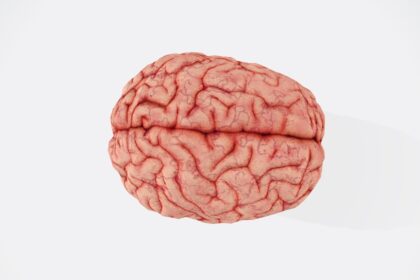
How minerals shape brain function: what neuroscience reveals about micronutrient deficiency
Minerals are fundamental to brain function, regulating neurotransmission, neuroplasticity, and neuronal resilience. From iodine's role in cognitive development to lithium's…

Stress impairs memory and attention by up to 20%, study finds—but botanical interventions show promise
Acute psychological stress reduces memory and attention test performance by approximately 20%, according to research. Botanical compounds like Rhodiola and…

How the body metabolises alcohol: the biochemistry behind why drinks linger
Alcohol metabolism is a three-step enzymatic pathway that generates toxic acetaldehyde and depletes NAD⁺ cofactors, explaining why drinks linger in…