


Tag: cognitive health
Brain’s Energy Demands: Why B Vitamins and Micronutrients Matter for Cognitive Function
The human brain consumes 20% of body energy in adults—rising to 50% in children around age 10. Adequate B vitamins…

Egg consumption linked to 27% lower Alzheimer’s risk in large multi-cohort study
A 15-year prospective study of nearly 40,000 adults found that those consuming five or more eggs weekly had 27% lower…

Coffee’s Dose-Response Puzzle: Why 2–3 Cups Daily May Shield Against Dementia
Moderate coffee consumption—2 to 3 cups daily—is associated with the lowest dementia risk in a new meta-analysis of 450,000+ participants,…

Daily Peanut Consumption Linked to 4% Improvement in Brain Blood Flow in Older Adults
A new study in Clinical Nutrition (2025) found that consuming 60 grams of skin-roasted peanuts daily improved global brain blood…

How Vitamins and Minerals Power Brain Chemistry: The Neurotransmitter Connection
Vitamins B6, B12, folate, and minerals including zinc, magnesium, and iron function as essential cofactors in neurotransmitter synthesis and metabolism.…

Beyond Neurons: How Brain’s Supporting Cells Drive Inflammation and Cognitive Resilience
The brain's health depends on more than neurons alone. A complex cellular ecosystem—astrocytes, microglia, and oligodendrocytes—orchestrates neural function through chemical…

Resistance Training Protects Brain Health: How Muscle Strength Reduces Dementia Risk
Resistance training protects cognitive health through seven distinct biological pathways—vascular, molecular, and inflammatory. Greater muscle strength is associated with lower…
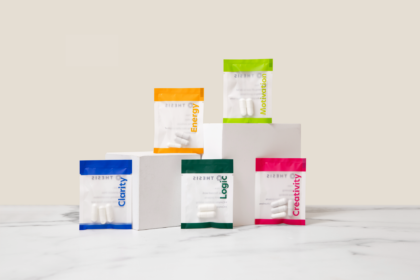
Brain’s Energy Crisis: Why B Vitamins and Micronutrients Matter for Cognitive Function
The brain consumes up to 50% of body energy in children and ~20% in adults, a metabolic demand met only…