


Tag: minerals

Why Your Body Needs Vitamin B12 in Micrograms but Sodium in Grams: The Hidden Logic of Nutrient Requirements
Human nutrient requirements span from micrograms of vitamin B12 to grams of sodium—a range reflecting fundamentally different biochemical roles. Understanding…

How Your Body Stores and Deploys Nutrients: A Systems View of Micronutrient Management
Your body operates sophisticated storage systems for different micronutrients, with vitamins and minerals following distinct tissue-specific pathways that determine how…

Vitamins Don’t Work Alone: How Nutrient Systems Keep Your Body Running
Vitamins and minerals function as interconnected metabolic systems, not isolated nutrients. Understanding how B12 and folate work together, how magnesium…
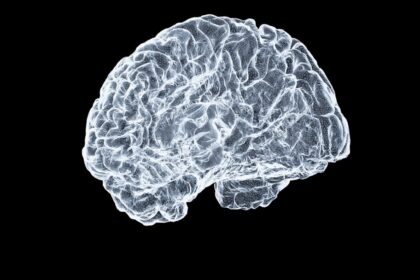
How Minerals Shape Brain Function: Evidence from Neuroscience on Micronutrient Deficiency and Cognition
Minerals are fundamental to brain function, yet deficiencies remain widespread. Iodine, iron, copper, zinc, lithium, and chromium each regulate distinct…
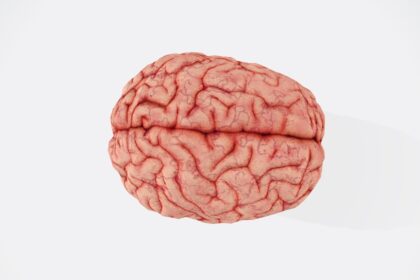
How minerals shape brain function: what neuroscience reveals about micronutrient deficiency
Minerals are fundamental to brain function, regulating neurotransmission, neuroplasticity, and neuronal resilience. From iodine's role in cognitive development to lithium's…

How Essential Minerals Keep Your Body Running: A Systems-Level View
Essential minerals regulate over 300 biochemical pathways in the human body, from cardiac rhythm to immune defence. A 2023 review…

Essential Minerals Drive All Body Functions, New Research Shows
New research shows essential minerals function as an interconnected network, with deficiencies in one mineral potentially disrupting multiple body systems…

How Vitamins and Minerals Function as Interconnected Systems, Not Individual Nutrients
Vitamins and minerals function as interconnected biological systems that activate enzymatic reactions and support cellular metabolism. Understanding these nutrient relationships…