


Tag: mortality

Consistency Beats Intensity: How Regular Movement Reduces Early Death Risk
Long-term research shows that consistent, moderate-intensity movement combined with activity variety reduces early death risk more effectively than sporadic intense…

Cardiorespiratory Fitness a Stronger Mortality Predictor Than Smoking or Diabetes, Large US Cohort Shows
Low cardiorespiratory fitness conferred greater all-cause mortality risk than smoking, diabetes, or coronary artery disease in 122,007 patients followed for…

Dietary Fiber Linked to 23% Lower Mortality Risk in Large Meta-Analysis
A 2024 systematic review of 64 prospective cohorts totaling 3.5 million subjects found that high dietary fiber intake associated with…

The 10,000-step myth: what the science actually says about daily activity and longevity
The global 10,000-step daily target originated from a 1965 Japanese marketing campaign, not clinical research. Recent evidence from large cohort…

Large Study Reveals Multiple Hormones Better Predict Male Mortality Than Total Testosterone Alone
A large study tracking 255,830 person-years of male mortality data found that total testosterone, while measured, was not the strongest…

Moving in Multiple Ways, Not Just More, May Add Years to Life
Adults engaging in three or more distinct types of physical activity have 20–30% lower all-cause mortality risk over a decade…

Cold months linked to higher heart disease deaths across US, 22-year study finds
A 22-year nationwide analysis of United States mortality data reveals that colder months are associated with significantly higher ischemic heart…
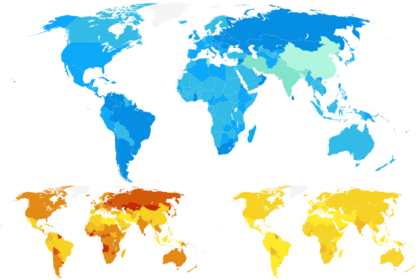
Why Men Die Younger: Evidence-Based Strategies to Close the Gender Mortality Gap
One in five men dies before age 65, yet many of these deaths are preventable. Barriers to healthcare engagement, untreated…