


Home › Topics › Newborn Health
Newborn Health
GMJ News knowledge hub · last reviewed September 2026 · Georgian Medical Journal
SummaryStatisticsGlossaryGMJ newsFAQDocumentsOrganizationsResearch
Newborns are the most vulnerable people on earth: approximately 2.3 million die in their first 28 days of life each year — now nearly half of all deaths in children under five — from conditions that are almost entirely preventable with known interventions (UNICEF 2023). The three leading killers — preterm birth complications, birth asphyxia and neonatal sepsis — share a common solution: skilled birth attendance, kangaroo mother care and immediate newborn care. The Every Newborn Action Plan (ENAP) targets ending preventable neonatal deaths by 2035.
Key messages
Most dangerous day
The first 28 days of life carry the highest mortality risk of any time in human existence. 2.3 million newborns die each year — 1 million on the very first day (UNICEF 2023).
47% of child deaths
Neonatal deaths account for 47% of all under-5 deaths globally — making newborn survival the frontier of child health progress.
Three killers, three solutions
Preterm birth, birth asphyxia and neonatal sepsis cause ~75% of neonatal deaths — all addressable with kangaroo mother care, immediate newborn care and clean delivery with antibiotics.
Kangaroo mother care — 36% mortality reduction
WHO's 2022 guidelines recommend initiating skin-to-skin kangaroo mother care immediately after birth for all small and preterm babies. Evidence shows 36% neonatal mortality reduction.
1.9M stillbirths invisible
1.9 million stillbirths occur annually — largely preventable with quality antenatal care and skilled birth attendance, yet almost entirely excluded from global health statistics and investment.
ENAP 2035 target
The Every Newborn Action Plan (ENAP), co-led by WHO and UNICEF, targets ending preventable neonatal deaths and stillbirths by 2035.
Key statistics
Neonatal mortality rate (per 1,000 live births) globally 2000-2022 — UN IGME
Glossary of key terms
Latest GMJ coverage

Quality Gap Exposed in Maternal Healthcare Across Three High-Performing Countries
08/06/2026

UK Updates Hepatitis B Screening and Neonatal Immunisation Pathway for Pregnant Women
21/08/2026

Donated breast milk cuts life-threatening gut disease in premature infants by 38%
27/09/2026

Early cardiac surgical care reduces hospital stays for newborns with severe heart defects
26/09/2026
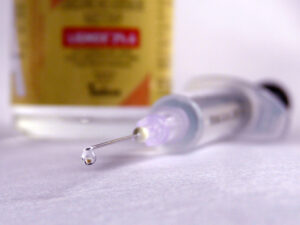
Maternal RSV Vaccine Cuts Infant Hospitalisation Risk by Half, Real-World Data Show
20/09/2026

Gonorrhea burden in sub-Saharan Africa remains stubbornly high: new meta-analysis reveals 3.2% general population prevalence
19/09/2026
Frequently asked questions 12 Q&A — structured for Google featured snippets and AI discovery
Knowledge hub: guidelines, conventions and reports
Organizations working in migration and health
Related health topics
Child healthMaternal healthSepsisPneumoniaBreastfeedingVaccines
About this hub. Produced by the GMJ News Editorial Team as a public-good service. Every statistic is linked to its primary source. Documents are preserved in the GMJ Repository with full attribution. Georgian Medical Journal · Contact the editorial team