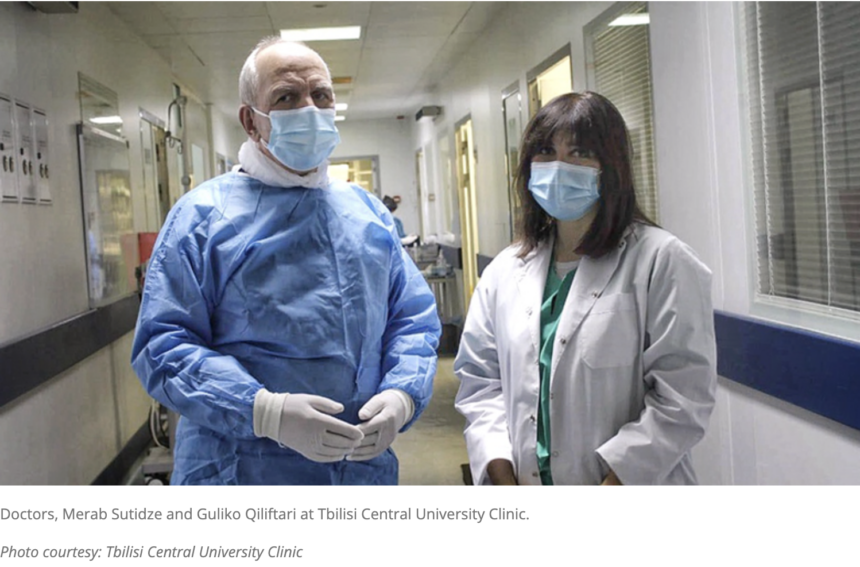
Georgian healthcare leaders must focus on three interconnected priorities to establish effective worker safety systems. First, comprehensive protection frameworks must combine personal protective equipment standards, infection control protocols, and mental health support—moving beyond reactive pandemic responses toward proactive, integrated systems.
Second, strategic infrastructure investment is essential. Georgian healthcare facilities require modern safety systems, adequate equipment supplies, and sustainable funding mechanisms that ensure protection measures remain operational during normal operations and crises alike.
Third, integrated policy development must embed worker safety throughout Georgia’s healthcare reform agenda rather than treating it as a peripheral concern. This means establishing clear regulatory standards, accountability mechanisms, and resource allocation processes that prioritize worker wellbeing as fundamental to patient safety and system resilience.
These three pillars—comprehensive frameworks, infrastructure investment, and integrated policy—create the foundation for a healthcare system that truly protects those who protect others.

Was this article helpful?